


Route 107, which connects Yeerongpilly to the Brisbane CBD via Boggo Road busway station and South Bank has recorded a 190 per cent surge in passengers. This is the biggest jump of any bus route in the city, in the seven months since Brisbane’s new bus network launched in mid-2025.
It is a remarkable result for the inner south corridor, and one that follows the route’s conversion to an all-day service.

The network shake-up that changed everything
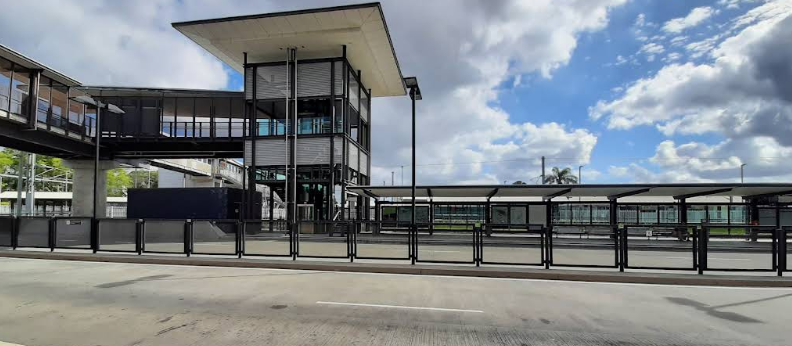
The transformation of Route 107 was part of a sweeping overhaul of Brisbane’s bus network in mid-2025. The route was realigned and converted to an all-day service operating between Yeerongpilly and the city via Boggo Road busway station and South Bank.
Brisbane reported that more than 51.2 million bus and Metro trips were taken across the network in the first seven months of the new timetable, which is a 10 per cent increase on the same period the year before. Since the start of 2024, Brisbane bus trips have grown by 27 per cent overall.

BCC estimates that the surge is the equivalent of 3.9 million private car trips being taken off the road, based on an average of 1.2 occupants per vehicle.
Cr Adrian Schrinner said every extra person on a bus or Metro is one less person in a car in peak-hour traffic, which means less congestion, safer roads and shorter travel times for everyone.
Other big movers
Route 107 wasn’t alone in posting impressive numbers. Several other routes recorded significant patronage increases after being redesigned or extended:
The 171, rerouted through Mount Gravatt with higher frequency and longer operating hours, was up 115 per cent. The 205 from Carindale Heights, converted from a peak-only to an all-day service, grew by 97 per cent. The 131 from Parkinson and the 185 from Upper Mount Gravatt — both formed through route mergers — each recorded a 64 per cent increase. The 116, extended to Upper Mount Gravatt, posted a 47 per cent gain.


A bumpier ride for some
Despite the headline numbers, the overhaul has left gaps in coverage that some residents say disadvantage those without access to a car.
One Moorooka resident noted that the 116, while extended to Upper Mount Gravatt, was limited to every 30 minutes during peak hour and ran only hourly on Saturdays, with the last city service at 7pm and no Sunday services at all. They said the changes had left residents who don’t drive worse off, and that nearby routes including the 125 and 110 also fell short, not running late enough to be genuinely useful.
Read: Proposed Changes to New Bus Network Impact Dutton Park State School, Other Schools
About Brisbane’s new bus network
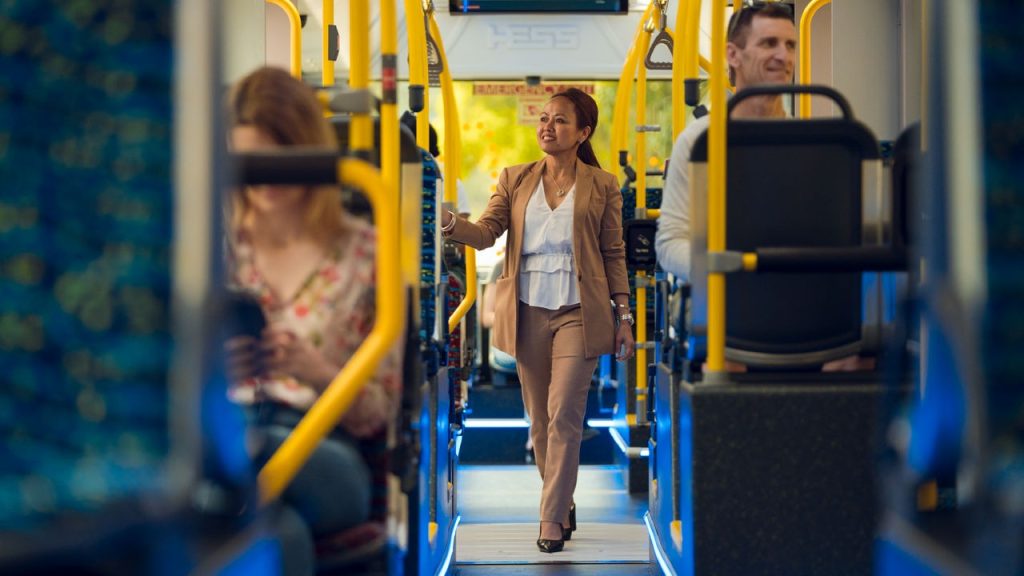
The bus network redesign was one of several significant public transport changes in the past two years. The 50-cent fares were introduced by the state Labor government in August 2024. The first Metro service became permanent in January 2025. The new bus network launched in mid-2025. The Adelaide Street tunnel opened in September 2025.
Brisbane’s bus network moves around 80 million people each year and accounts for more than two-thirds of the city’s public transport.
Whether the gains continue will likely depend on how well the network addresses the gaps that remain.
Published 6-March-2026