Emergency services were called to Arras Street in Yeronga on Monday, 22 December 2025, after reports of a house fire shortly after 6:30 a.m. When crews arrived, the two-storey Queenslander-style home was fully engulfed in flames.
Six fire crews initially attended the scene, with reports later confirming that up to nine crews, including senior officers, were involved in extinguishing the blaze. Firefighters worked for around an hour to bring the fire under control.
One person was inside the home at the time of the fire and was able to self-evacuate before emergency services arrived. Paramedics attended as a precaution, but no medical treatment was required. No injuries were reported.
Crime Scene Declared as Investigation Continues
Police and fire investigators remained at the property following the incident, with a crime scene declared as inquiries into the cause of the fire commenced. Authorities confirmed the cause of the blaze had not yet been determined. Emergency services also spoke with nearby residents during the investigation.
Residents described the street as close-knit and said they were shocked to wake to heavy smoke and flames. Smoke was visible from several streets away as the fire spread through the property. The fire occurred just days before Christmas, adding to the impact on those affected.
The Yeronga incident was the third house fire reported in Brisbane over the same weekend. Separate fires were reported in Salisbury on Saturday and Parkinson on Sunday. Investigations into the Parkinson fire were also continuing at the time of reporting. Authorities have not indicated whether the incidents are connected.
“When I was growing up I wanted to give the Discus a go but I finished last in the State in Grade 8 at the age of 13 and so asked my mum if I could get some coaching,” says Wynnum-based Matt Denny, who went on to become one of the greatest Discus throwers the world has ever seen.
“My mum thought I’d only want one lesson. I was always playing multiple sports including swimming and footy, and loved competing with my older brothers,” says Denny.
Growing up in Allora and attending Toowoomba Grammar, Denny has put together an extraordinary career. In 2024, he put together the greatest series of throws of all time, averaging 72.72m; grabbed a Bronze in the Paris Olympics; and also won the prestigious Diamond League Final. The heartbreak of finishing 4th in the last two World Championships and the Tokyo Olympics has only made him more determined to keep bringing home the bacon.
“So at the age of 13, I started training with Graham Pitt, who had previously coached an Olympian Discus thrower, and I went from last in the state to second in the country within three months.”
This extraordinary jetison turned into Matt’s epicentre as Pitt continued to train Denny until he was 22, through a first world Youth title in Donetsk, Ukraine –sadly, the stadium was destroyed three months after — whilst in Year 11 at Toowoomba Grammar. An anonymous donor connected with the school threw financial support behind Matt that enabled him to compete in that first major international event.
“Toowoomba Grammar were really great to me. I was a boarder but I would be away competing in Brisbane mainly at weekends. The school allowed me to pursue Athletics at a crucial development time without the academic side getting too high pressure. And now, I have a Business Degree with a Double Masters from Griffith Uni.”
Matt is an ambassador for Coles in their support and sponsorship of LIttle Athletics, and he’s delighted to be unveiling and christening a new discus cage that was made possible thanks to a $1,900 Coles grant the club received as part of this year’s grant program.
Denny will be at the Souths Little Athletics Club in Yeronga this Saturday, 22 November, from 8:30 a.m. to 10:00 a.m., on behalf of the Coles Little Athletics Community Fund.
Cages enable junior Discus throwers to trust the training process without worrying about the obvious dangers. Denny says, “It’s really important that throwers, officials, parents and teachers in the juniors establish eye contact before the throw is taken. Everyone needs to be aware in that fairly narrow landing zone, but I’ll never forget the poor parent who was hit clean in the jaw during my junior days from 45 metres out.”
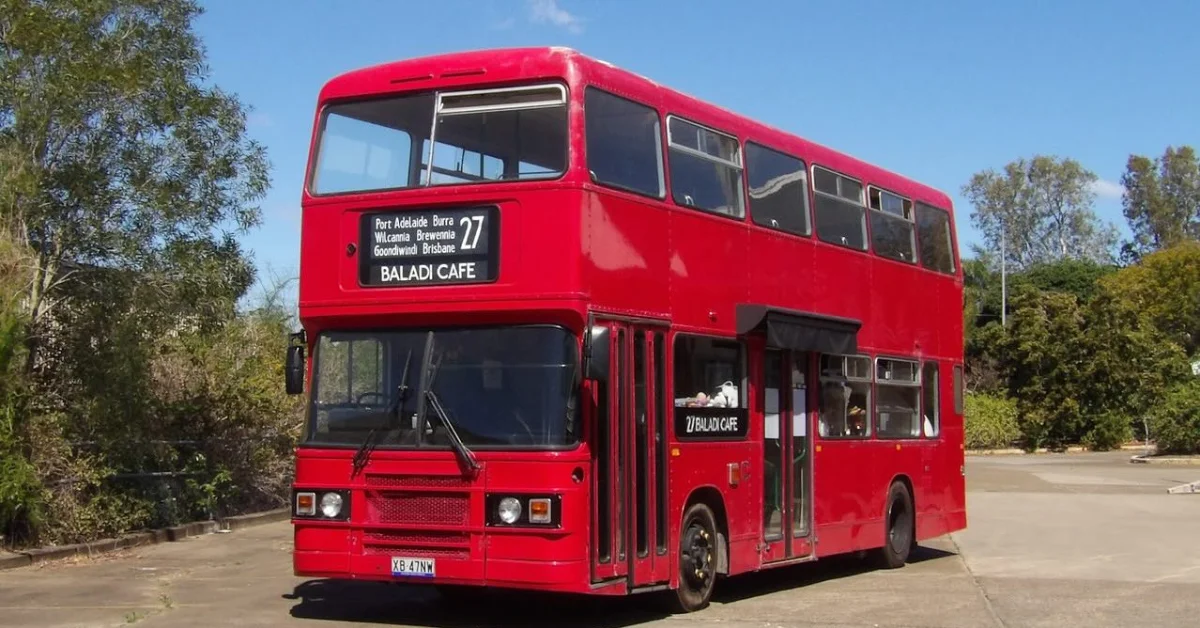
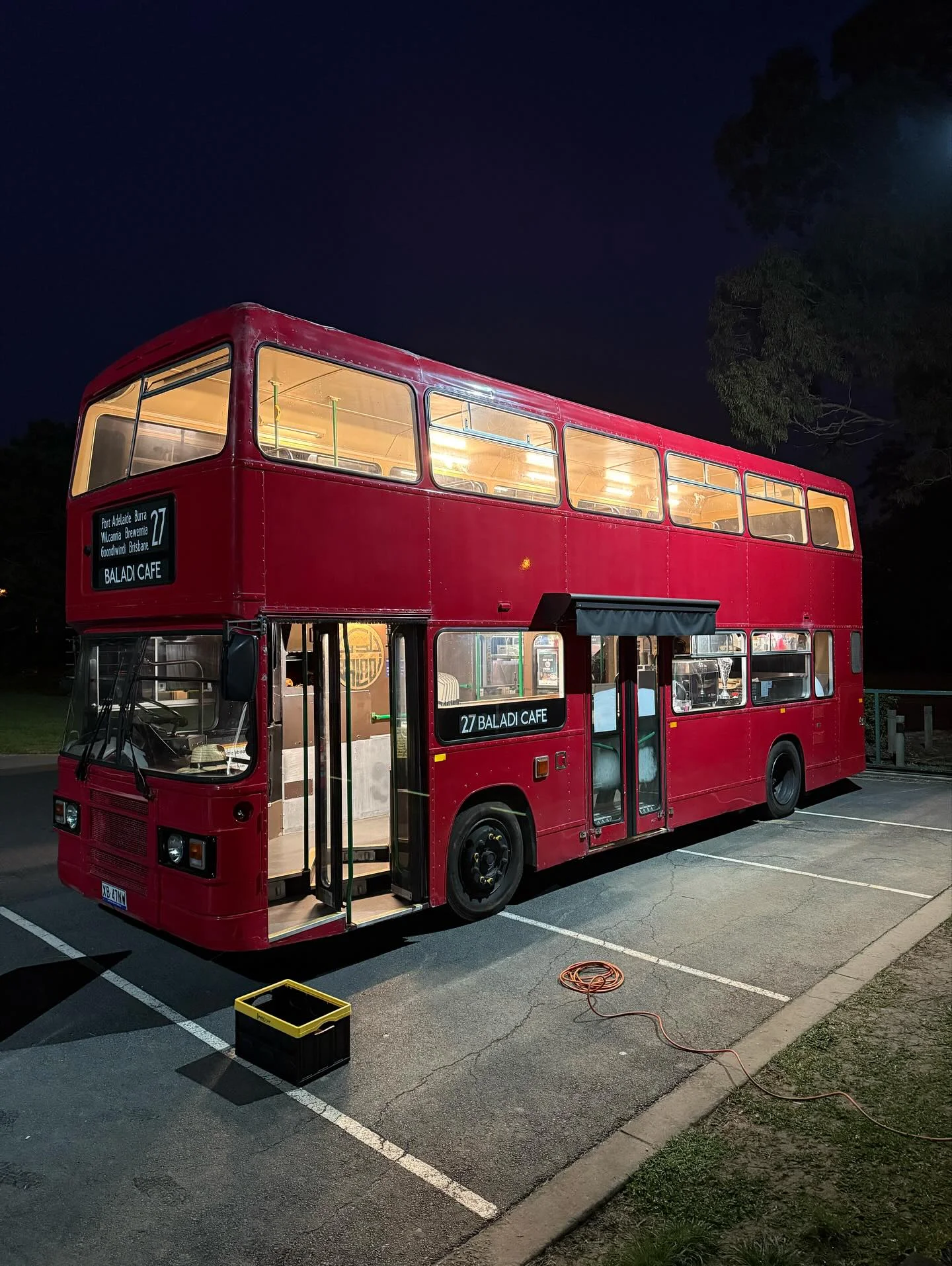
A restored double-decker London bus has been converted into a café now operating at 237 Brisbane Corso in Yeronga. The new venue extends Baladi’s presence in the area, following four years of building a regular customer base through its original trailer business.
Photo Credit: Baladi/Facebook
From London Streets to Brisbane Corso
The bus retains much of its original structure, with refurbished seating now arranged as booth-style spaces. Customers can choose to sit inside on the lower level or head to the top deck for elevated views of the riverside stretch. The café serves coffee, wraps and pastries, trading Tuesday to Sunday from 6 a.m. to 11 a.m.
Photo Credit: Baladi/Facebook
The Baladi Journey
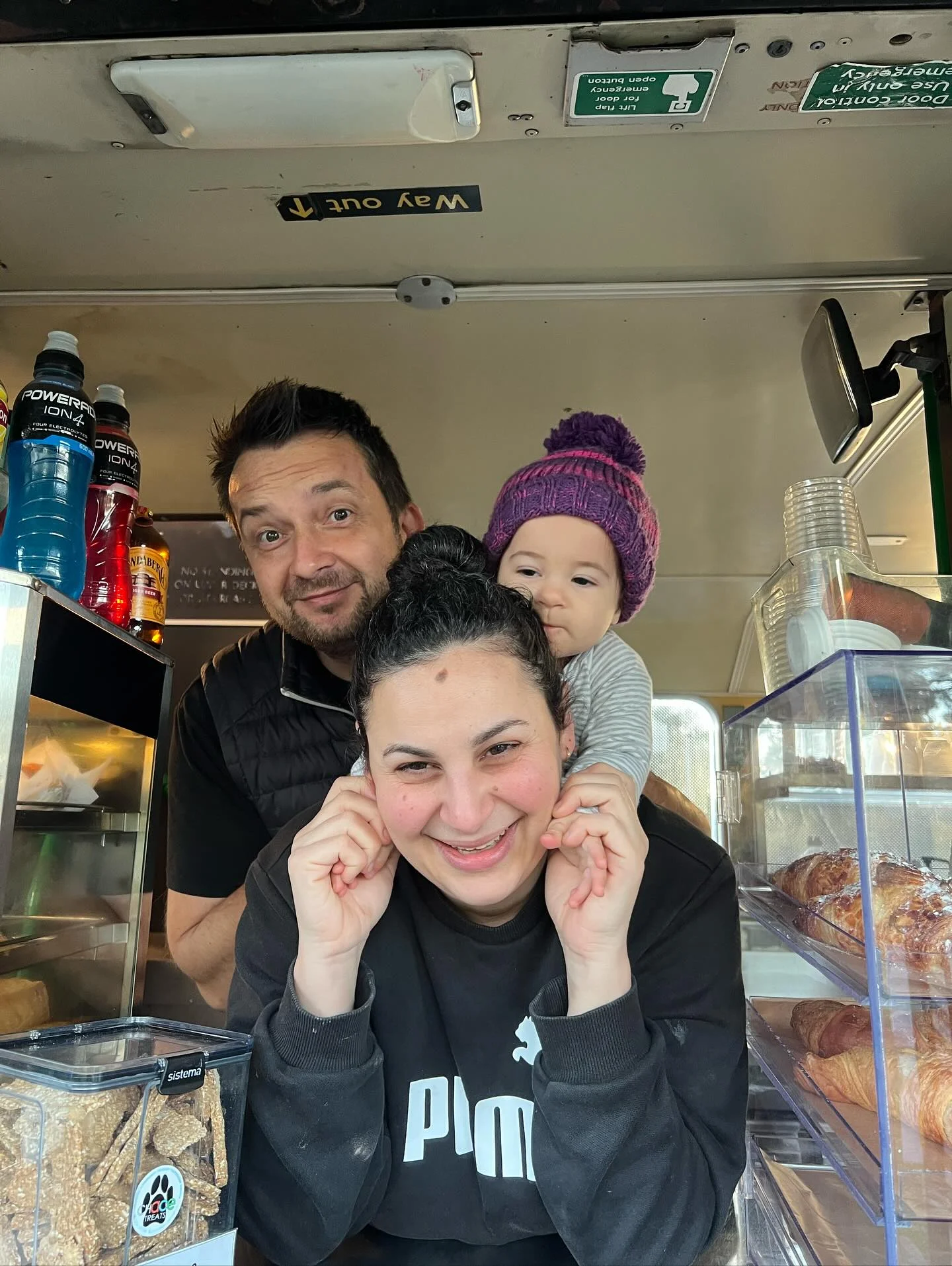
Baladi began in July 2019, created by operators Farah and Anton. Farah, who moved to Australia in 2015 for PhD studies, discovered a strong interest in cooking and hosting during her time at university. Anton, originally from Slovakia, worked in London’s events industry before returning to Australia in 2011. Their shared interest in coffee and food contributed to the development of their growing business.
Photo Credit: Baladi/Facebook
Yeronga Community Reaction
The Yeronga community has shown considerable interest in the new café, reflected in high engagement online. Many comments highlight support for the concept, enthusiasm for the bus fit-out and appreciation for the location along the Brisbane Corso.
The double-decker café adds another option for residents and visitors spending time in Yeronga. With its distinctive layout and riverside position, the venue continues Baladi’s approach to serving customers in a familiar neighbourhood setting.
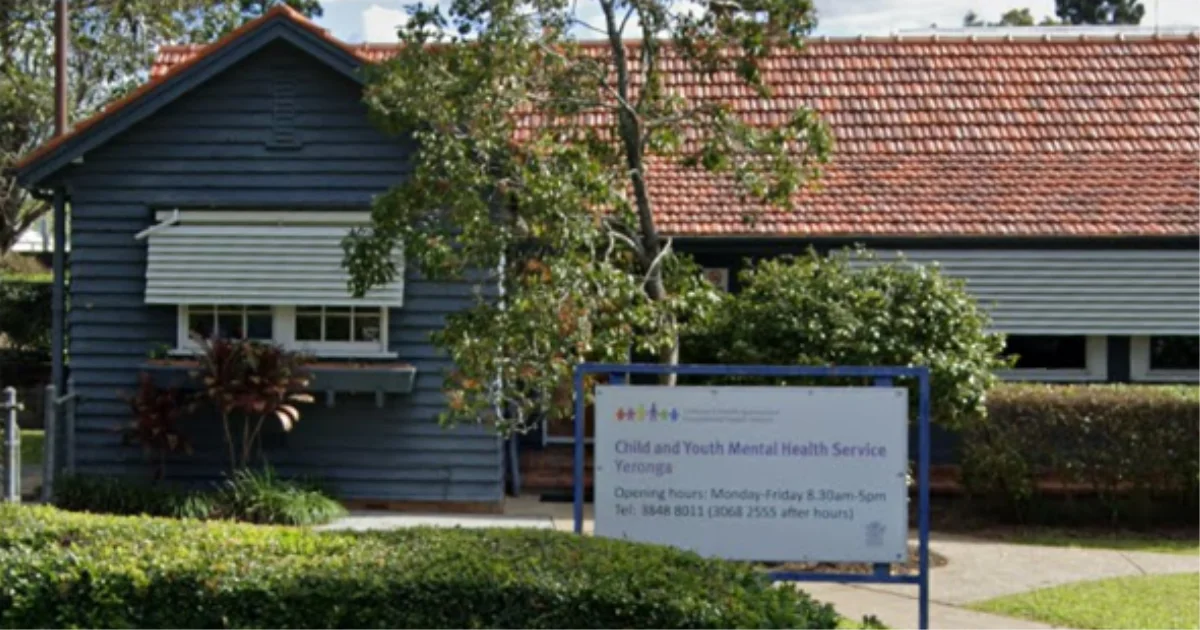
In Yeronga, plans for a purpose-built children’s mental health clinic have been cancelled, with services redirected to leased locations in nearby suburbs. The decision ends years of planning for what was expected to become a central hub for young people needing specialised support in Brisbane’s south.
Originally, a multi-million dollar project announced in 2020 was earmarked for a “Child and Youth Community Health Hub” in Yeronga. The facility was intended to house the Child and Youth Mental Health Service and a dedicated eating-disorders branch, consolidating existing services under one roof to improve accessibility and coordination of care.
Photo credit: Google Street View
The revised plan abandons the Yeronga build site, citing substantial cost escalations and lengthy delivery timelines. Reports indicated that construction would have taken several more years to complete, pushing delivery beyond 2027.
Under the new arrangement, 20 patient rooms will be established across two leased sites — 16 rooms at a location in Upper Mount Gravatt and four at a site in Taringa. The set-up cost is reported to be around $4.4 million, with first-year leasing costs estimated at approximately $600,000.
Photo credit: Google Street View
The original Yeronga design was reported to include 17 patient rooms, which means capacity will remain similar, though now split between two separate facilities. While the change allows services to be established sooner, community advocates say the relocation reduces the convenience and visibility of care that a single purpose-built site would have offered.
Local state MP Mark Bailey described the change as “secretive” and raised concerns about longer travel times for families who had expected a service in Yeronga. Those involved in the project explained that construction delays and rising costs had made the build unfeasible, and that leasing existing spaces would make care available sooner and closer to where many families already live.
The Yeronga site at 51 Park Road had been listed in departmental documents as part of the Child and Youth Mental Health Service network. Its inclusion in public records reflects earlier planning that identified the location as a key site for the region’s youth mental-health care.
Service providers and local schools have said that proximity is critical when arranging access to mental-health care for children. They noted that while leased sites can provide temporary relief, local hubs are important for ensuring that families can attend appointments consistently and without extended travel.
Some local representatives and families have raised concerns that referral pathways and travel times may be affected by the change. The announcement did not include detailed wait-list figures, although analysts have generally found that accessible local hubs help reduce barriers to care.
Public records continue to list the Yeronga hub under in-progress commitments, though the delivery approach has now shifted to leased facilities. For families and practitioners in the area, the focus will be on whether the new arrangement can provide the same level of support that a dedicated, purpose-built site was expected to deliver.
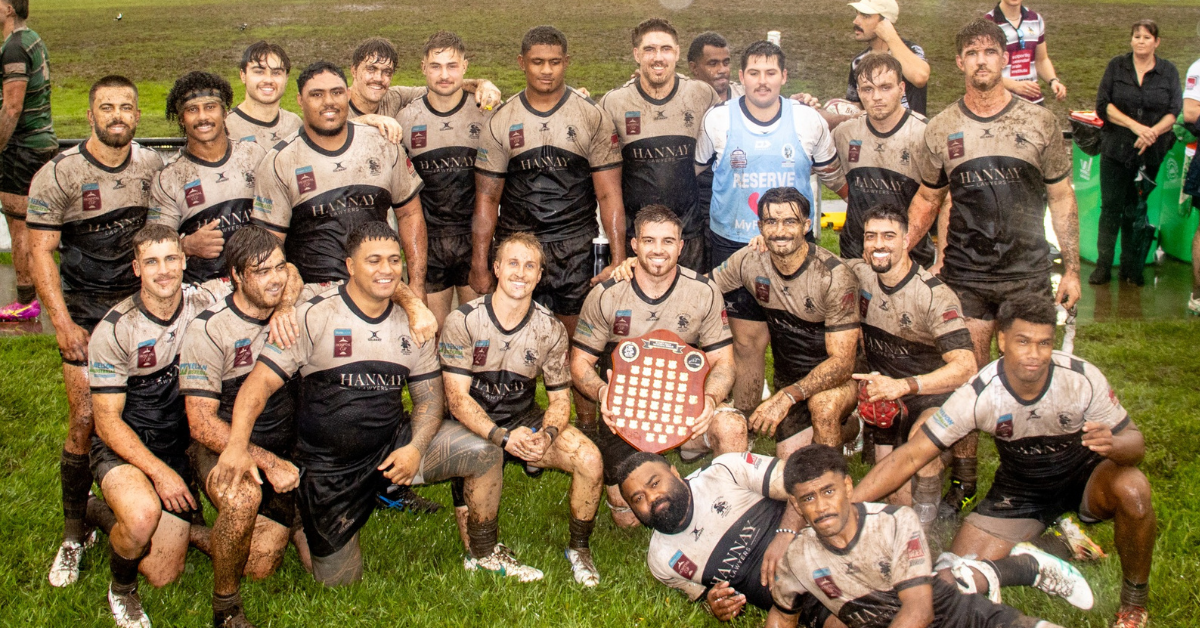
As part of the 2032 Olympic legacy, the celebrated Souths Rugby Union Club in Yeronga is using a $1 million grant to transform its facilities into a modern centre for players and the local community.
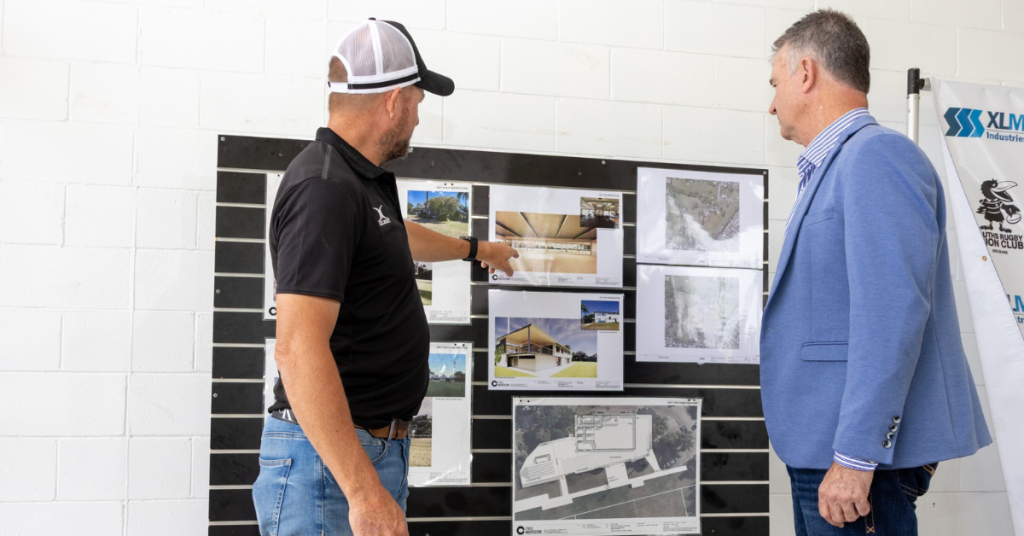
This $1 million investment will allow the club to complete the second stage of its clubhouse redevelopment. Souths Rugby Union Club President Derek Thomas explained the goal is to create a welcoming place for the entire community.
He said the club wants to be more than just a place for men’s players, but also for women, girls, juniors, and players of all abilities. The vision is for the club to be a destination where people can watch games, enjoy a meal, and connect with their neighbours.
The funding is part of the government’s $250 million “Games On!” program, which is tied to the community legacy of the 2032 Olympic and Paralympic Games. This investment supports a club with a deep and successful history. Souths, formed in 1948, has produced over 30 Australian representatives and more than 70 for Queensland.
Today, the club (known as the Magpie Army) includes players of all ages, from Under 6s to Premier Women’s and Men’s teams, following a merger of its junior and senior clubs in 2016. The club prides itself on values of discipline, control, and mutual self-respect.
The state-wide program is helping 80 clubs across Queensland with 119 different projects, including new fields, lighting, and changerooms. Minister for Sport Tim Mander stated that the program aims to ensure that Queenslanders across the state have access to high-quality facilities.
He noted the importance of community clubs as the starting point for many sporting champions and how these upgrades strengthen grassroots sport. More than two-thirds of the funded clubs have now received their grants, with 18 projects already under construction and more set to begin before the end of the year.
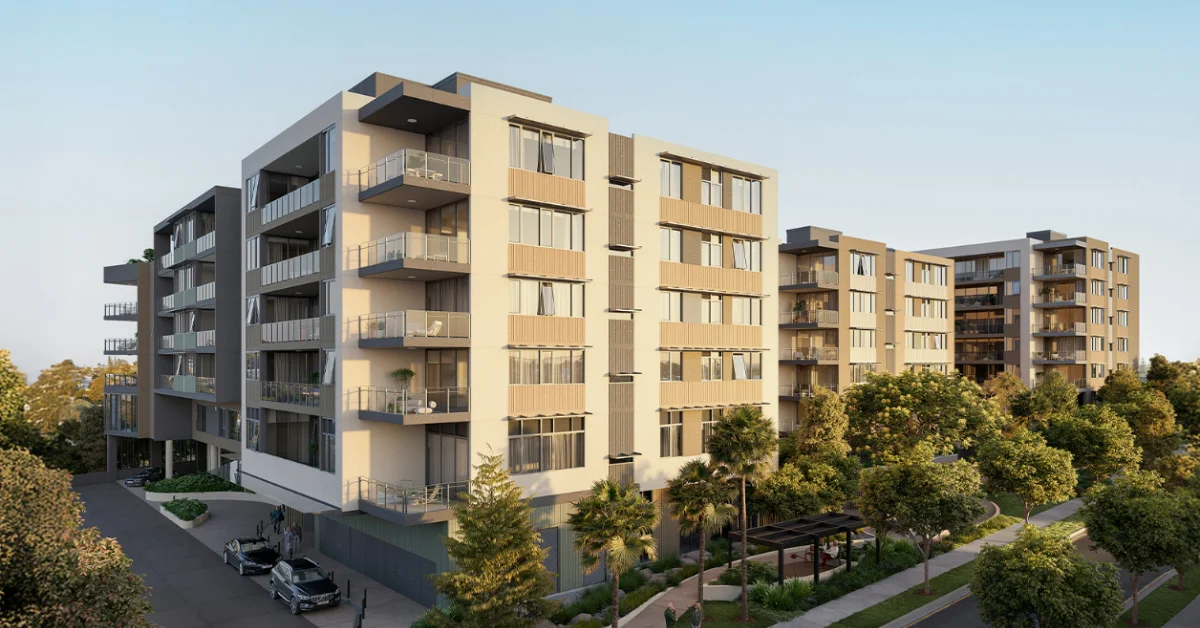
Construction of RetireAustralia’s Arcadia Retirement Living in Yeronga continues to advance, with new apartments and community facilities expanding the existing development within Parkside Yeronga.
Construction at Parkside Yeronga has been progressing steadily, with the first townhomes by JGL Properties recently completed and occupied. Building on this momentum, RetireAustralia has begun marketing and selling premium independent living apartments in its Arcadia Retirement Living community. The marketing is operating from a temporary sales suite located at the corner of Park Road and Villa Street, near the Yeronga–Annerley boundary.
The development currently includes 159 independent living apartments and a 10-suite care hub. Plans have been lodged for an expansion to deliver an additional 58 apartments, following RetireAustralia’s acquisition of the final available lot in the precinct from Economic Development Queensland.
Photo Credit: Marchese Partners
Former Health Facility Site Repurposed
The newly acquired site was initially approved for a large commercial or health facility intended for Children’s Health Queensland. The organisation has since opted to redevelop its existing facility on the corner of Park Road and Dublin Street, opening the opportunity for Arcadia’s expansion.
This decision allows RetireAustralia to consolidate the final portion of Parkside Yeronga, continuing the broader transformation of the former TAFE site into an integrated, intergenerational precinct.
Photo Credit: Marchese Partners
Features and Facilities for Future Residents
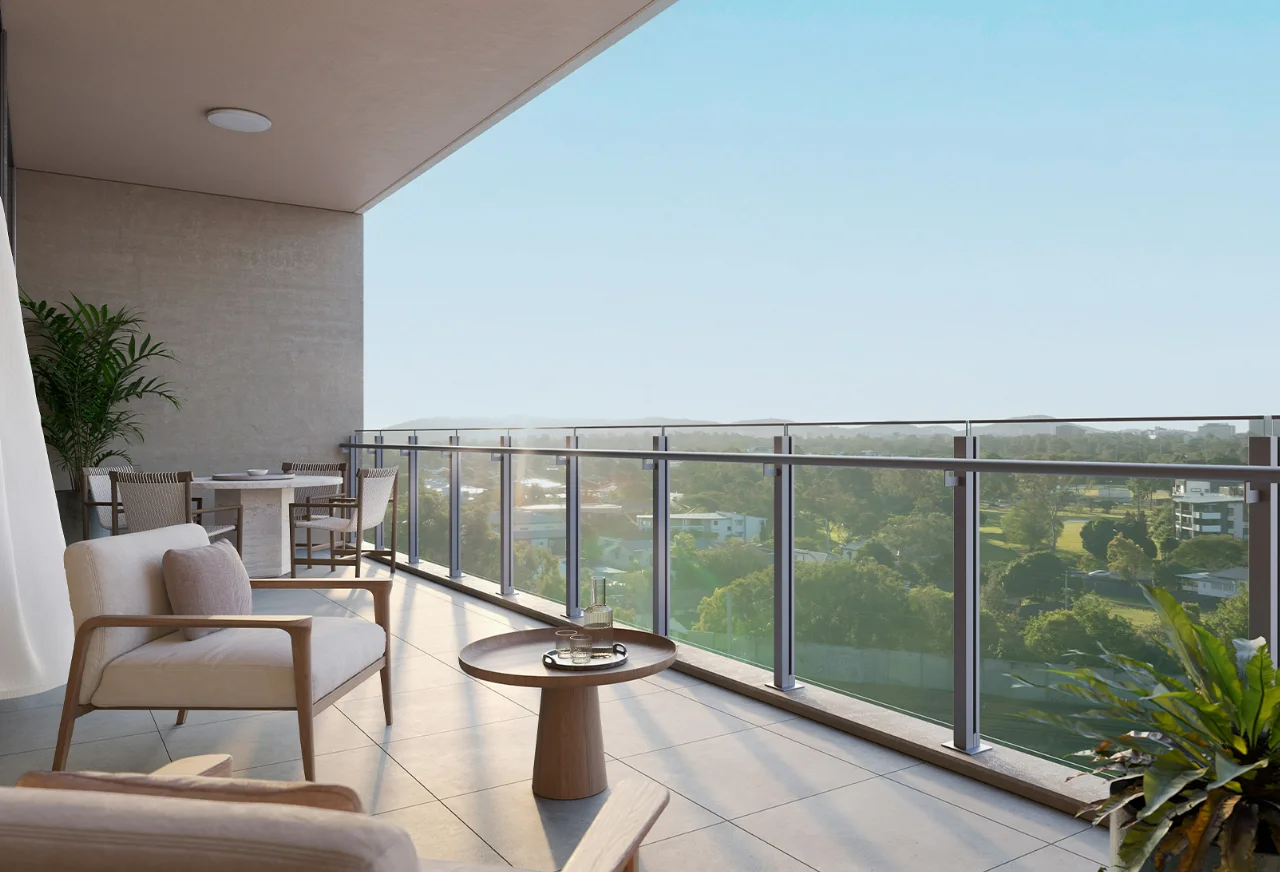
Arcadia Retirement Living, designed by Marchese Partners | Life3A and constructed by Hutchinson Builders, forms part of the Yeronga Priority Development Area. The 3.1-hectare precinct will feature a combination of townhouses, affordable housing, and community amenities surrounded by 4,000 square metres of open green space.
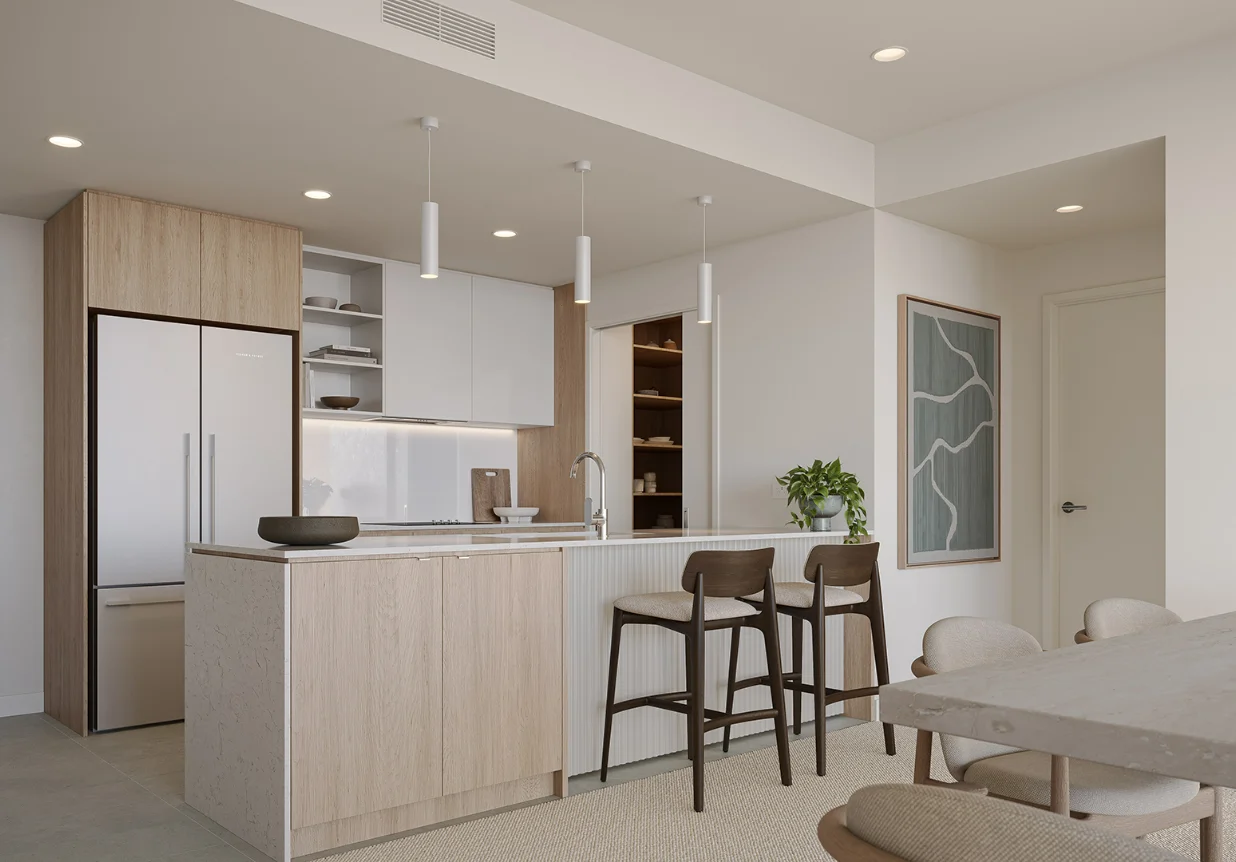
Arcadia will offer a selection of one-, two-, and three-bedroom apartments, with prices starting from $835,000 for one-bedroom homes and reaching $1.6 million for three-bedroom residences. Apartments feature open-plan designs, generous storage, and age-friendly layouts.
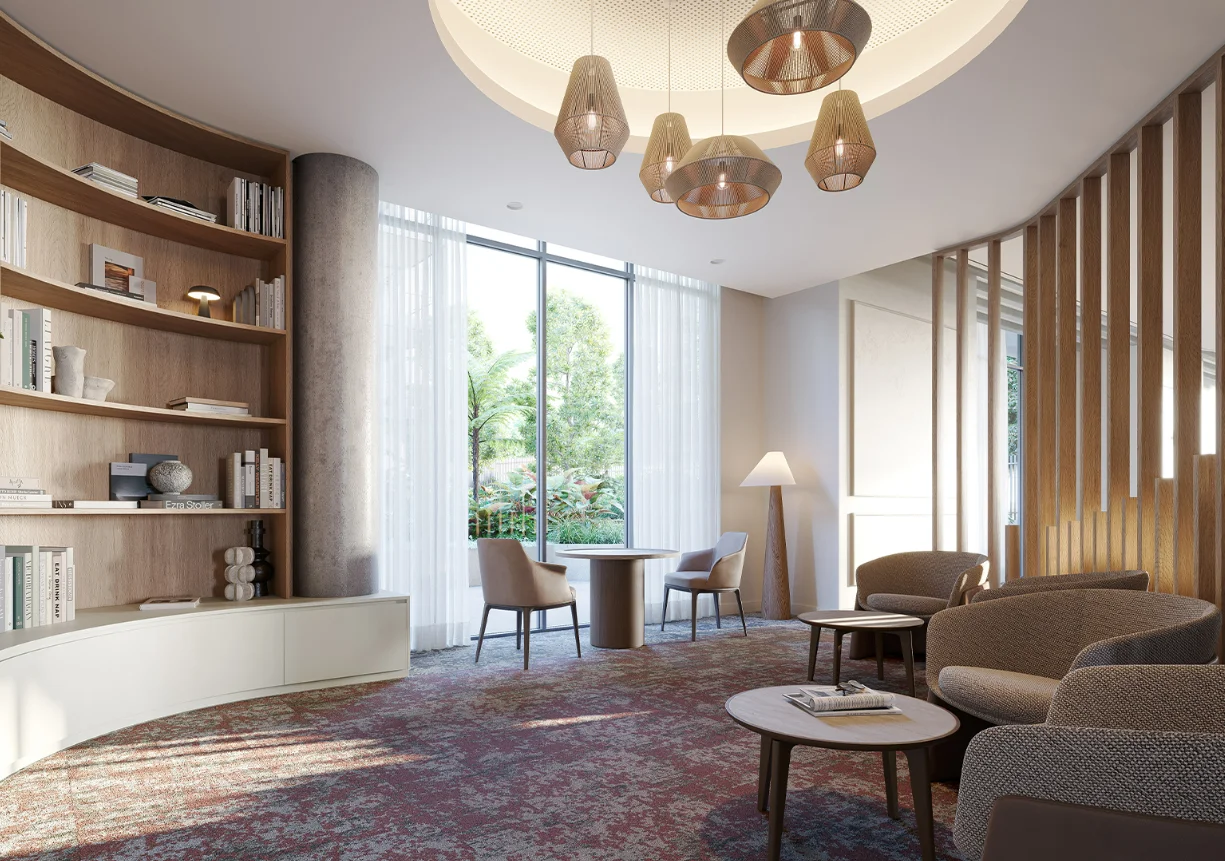
Amenities include a cinema, gymnasium, yoga studio, rooftop recreation area, wine room, and billiards room. The community also provides a 24-hour emergency call system, concierge and wellness services, and an innovative Care Hub for short or long-term support.
Photo Credit: Marchese Partners
Community Connection and Open Spaces
RetireAustralia will continue delivering the Parkside Yeronga Green Spine parkland, a publicly accessible garden designed to link the Arcadia community to the Yeronga Community Centre and Villa Street. This landscaped corridor will promote walkability and provide residents and locals with an additional open green area.
Arcadia is scheduled to welcome its first residents from early 2026. The village aims to provide a balance between independence and connection, offering a lifestyle that blends privacy, wellbeing, and community engagement.
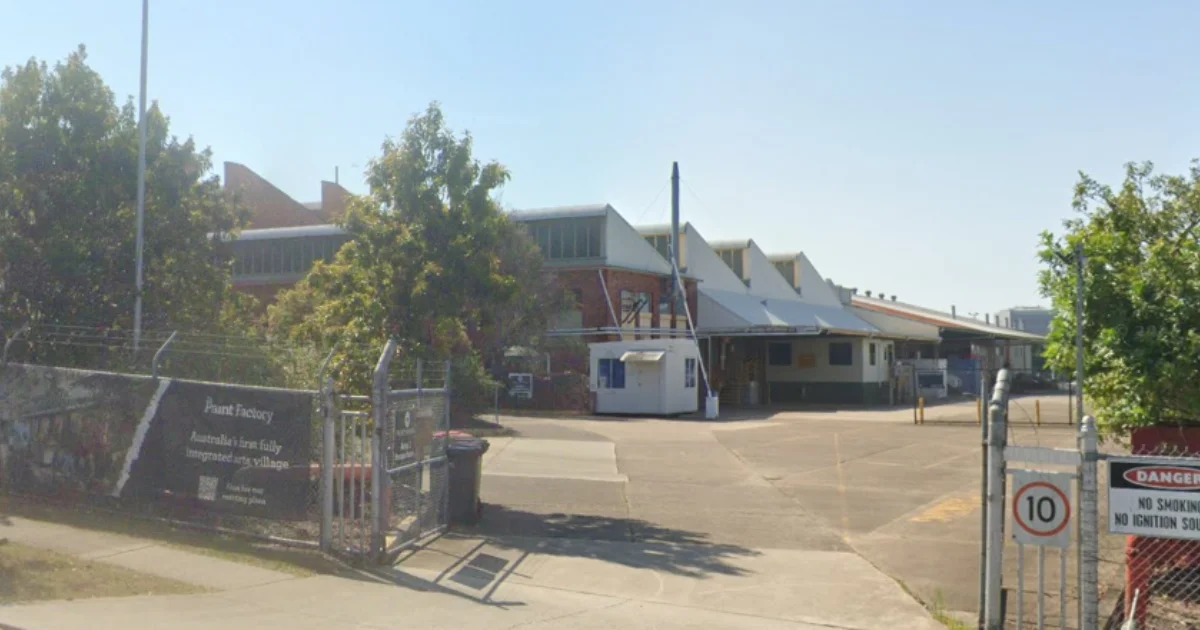
A major redevelopment of the old Taubmans paint factory site in Yeronga could soon pave the way for hundreds of new apartments, cultural spaces, and lifestyle facilities on the 34,000-sqm block.
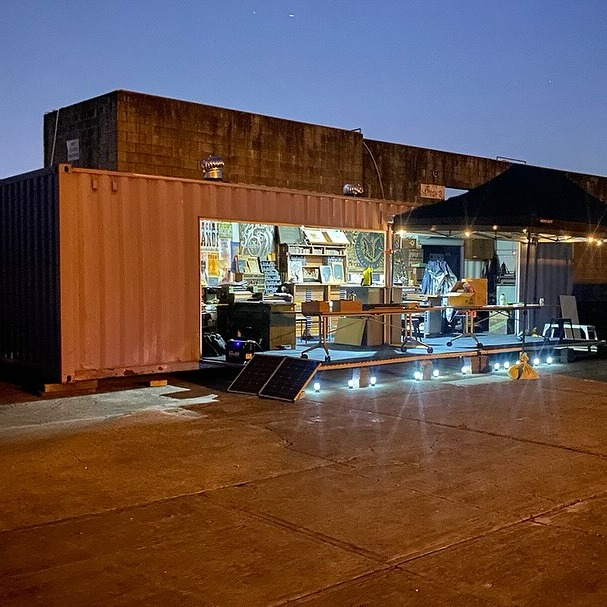
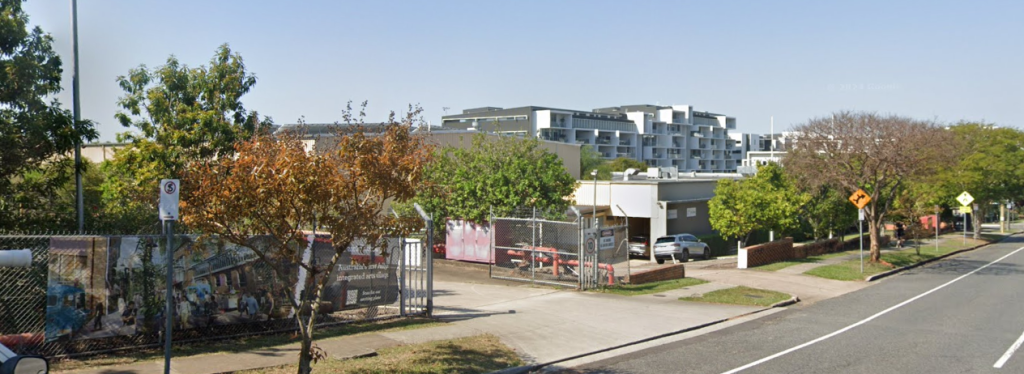
The approval means the industrial property on Hyde Road , which has been vacant since the factory shut a decade ago and later became a popular arts hub, will soon be transformed into a mixed-use precinct.
Photo credit: The Paint Factory Yeronga/Facebook
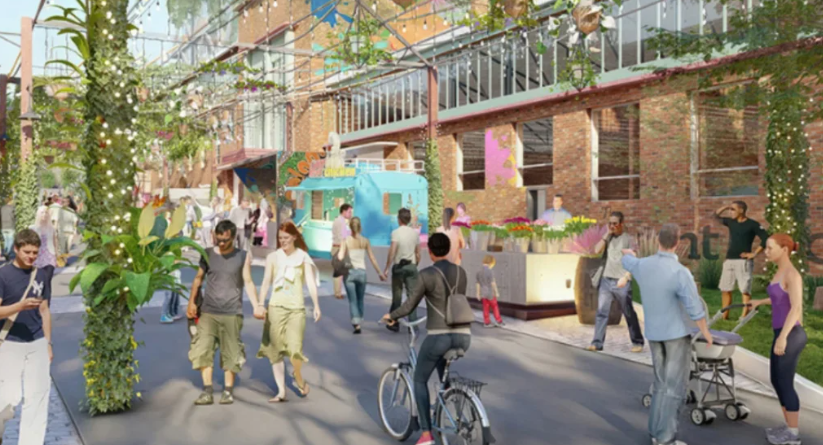
Plans for the former Paint factory site include residential towers rising between four and eight storeys, food and drink outlets, galleries, a theatre, and what has been promoted as the nation’s first fully integrated arts village. Longer-term stages may add markets, health services, a microbrewery, hardware and entertainment venues.
Photo Credit: The Paint Factory
Future residents, however, will be required to accept the realities of the site’s location. The land sits near the Fairfield wastewater treatment plant and several major sporting fields at Goodwin, Leyshon and Fehlberg parks. Conditions of approval stipulate that buyers and tenants must be informed of potential odours, noise from matches, evening floodlights and large weekend crowds. A 240-metre buffer will separate the new community from these neighbouring facilities.
The proposal has been one of the most contentious development debates in Brisbane’s southside, attracting 638 public submissions. Around half opposed the plan, citing fears of overdevelopment, increased building heights in the future, and impacts on sporting clubs already facing noise complaints. Supporters argued the project represents much-needed urban renewal, new housing supply and economic opportunities for the suburb.
Photo credit: Google Street View
The site’s transformation will not happen overnight. Developers estimate construction could span a decade, with the first stage focusing on food outlets, arts spaces and entertainment facilities. Flood-prone sections of the property will remain undeveloped, with landscaped open space included to soften impacts on neighbours.
Brisbane officials described the paint factory project as part of a broader strategy to repurpose ageing industrial land into modern, multi-use communities. While some residents remain wary, backers see it as a chance to revitalise Yeronga much like the renewal of precincts in New Farm and West End.
A community football club in Yeronga, founded by Salvadoran refugees in the late 1980s, continues to promote inclusion and multicultural connection through sport.
Yeronga Eagles Football Club began in the late 1980s. It was formed by Salvadoran refugees who had fled civil war in El Salvador and resettled in Brisbane.
They started the club to stay connected to their culture and to build a sense of community in a new country. Resources were limited, but the club grew through shared effort and commitment. Its foundation was not built on wealth or status, but on values like family, service, and hard work. These continue to define the club today.
Photo Credit: Yeronga Eagles FC
Growth Driven by Volunteers and Inclusion
The club joined the Football Queensland Premier League (FQPL) system in 2022. Since then, it has earned three consecutive promotions.
This success has come through the efforts of dedicated volunteers. Many are children and grandchildren of the original founders. They continue to run programs, maintain facilities, and support players across all levels.
While the club honours its Salvadoran origins, it now welcomes members from many cultural backgrounds. Football has become a shared language. Players connect through teamwork, not through words or background.
Photo Credit: Yeronga Eagles FC
Refugee Week Connection and Relevance
Refugee Week 2025 was held from 15 to 21 June. This year’s theme was Finding Freedom: Diversity in Community. It celebrated Australia’s history of welcoming refugees and the communities that support them.
Since the end of World War II, Australia has accepted over 985,000 refugees. Many have built new lives through local initiatives such as community sport.
Yeronga Eagles is one such example. It reflects how refugee-founded clubs can become long-standing, inclusive institutions.
Photo Credit: Yeronga Eagles FC
Football Helping New Arrivals Settle
Yeronga Eagles offers structured football programs for men, women, and juniors. These programs support development and participation for all skill levels. For many new arrivals, clubs like Yeronga offer more than just sport. They provide routine, belonging, and a pathway to settle into Australian life.
The club has become multicultural but has stayed rooted in its Salvadoran identity. This balance sets an example for other migrant communities starting similar journeys.
Club’s Future Built on Community Effort
Yeronga Eagles continues to grow. Its rise in Queensland football is the result of decades of work from volunteers and supporters.
The club’s success is not just about matches or trophies. It represents the power of community, tradition, and sport working together.
As Refugee Week highlights contributions made by refugees, Yeronga Eagles stands out. It shows how local sport can bring people together and support long-term inclusion.
Residents in Yeronga are set to experience a slight reduction in their rates, a notable outcome in the new budget that presents a varied financial outlook for homeowners across the city.
Lord Mayor Adrian Schrinner handed down the budget on Wednesday, 18 June 2025. The changes are effective from October 1 for some new property owners and 30 June 2025, for land valuations.
While many Brisbane suburbs face higher costs, some, like Yeronga, will see a small percentage drop in their rates. This reduction, specifically 0.38 per cent for Yeronga, along with Tennyson (0.93 per cent down) and Mount Ommaney (1.87 per cent down), is attributed to recent changes in land valuations. This provides a minor financial reprieve for residents in these areas.
City-Wide Rate Changes and New Charges
Across Brisbane, the average owner-occupier residential rate increase is set at 4.7 per cent, translating to an additional $60 annually or $1.14 per week. The minimum increase is 3.87 per cent. Despite some land valuations jumping by up to 20 per cent in certain areas, rate increases will be capped at no more than 7.5 per cent. Suburbs experiencing the maximum rate increase include Algester, Bowen Hills, the CBD, Chermside, Fortitude Valley, Karawatha, Newstead, Robertson, South Brisbane, Stones Corner, and Taigum.
Fees and charges are broadly increasing by 4 per cent. A significant change for inner-city Brisbane unit buyers after October 1 is an additional $100 per year in rates, or $25 per quarter. This applies to properties within the “CBD frame,” encompassing areas such as Toowong, Milton, West End, Highgate Hill, South Brisbane, New Farm, Newstead, Teneriffe, Albion, Bowen Hills, Kangaroo Point, Herston, and Kelvin Grove. Council anticipates this change will generate approximately $1.4 million in extra revenue from around 7,000 unit sales annually.
Lord Mayor Schrinner stated that 90 per cent of the city’s ratepayers paid only the minimum general owner-occupier rate, and it was considered unfair that many owners of luxury inner-city units also paid this minimum.
A new city-wide rollout of green bins is also part of the budget. Ratepayers will be charged an extra $49.52 per year for these bins, even if they choose not to receive one or already possess one. This will increase the “universal” waste fee (covering red, yellow, and green bins) to $512.96 annually.
Council aims to divert waste from landfills to reduce payments to the state government, which the Lord Mayor described as a “large scale tax avoidance scheme” against a state government “bin tax.” Approximately 170,000 households, or half of all eligible properties, currently have a green bin.
Significant funding is allocated to the Story Bridge, with $18 million for the next year. This includes $6.7 million for a new footpath deck, with hopes of reopening at least one path before the end of the year, $6 million for urgent repairs, and the remainder for a business case to upgrade the bridge.
In terms of community support, the on-time payment rates discount will continue, benefiting about 273,000 people and saving them a collective $47 million. The pensioner rebate is increasing by $50 to $1298, and the popular $2 Summer Dips council pool entry will also continue. Council notes $69.5 million for Brisbane Libraries and $33.4 million for Botanic Gardens. A key commitment is that 85 per cent of the $4.1 billion budget will be invested in the suburbs.
Locally, for Yeronga, the budget includes road resurfacing projects on Orlando Road, Orsova Road, and Utzon Street, along with ongoing restoration of the Yeronga Memorial Park Memorial Wall.
Community Concerns and Transparency
Despite some positive announcements, the budget has drawn criticism for its perceived lack of transparency and minimal investment in certain essential local projects. Council’s Labor Leader Jared Cassidy stated that Council seemed to “sneak through new taxes” to boost its finances and that increasing costs for apartment living made affordable housing harder in Brisbane.
He also pointed out that Council “gloated” about $470 million in spending cuts, which he claimed led to hundreds of staff losses over two years, while senior councillors reportedly took expensive overseas trips. A Council spokeswoman, however, indicated a net reduction of 142 staff since last July, disputing Mr. Cassidy’s estimate of up to 480 job losses.
From the perspective of Tennyson Ward Councillor Nicole, the 2025-26 budget is “lacklustre,” with minimal funding for crucial city-wide projects beyond basic infrastructure, such as only $13 million for the Story Bridge. She expressed concern over the lack of detailed program and project figures in the budget for the second consecutive year, suggesting a troubling lack of transparency.
Councillor Nicole highlighted specific “lowlights” for Tennyson Ward, including no new funding for new footpaths (city-wide), road upgrades, intersection upgrades, traffic calming, kerb and channel work, community street tree plantings, or new bikeways. She also noted only one dog off-leash upgrade, one new playground, and one park facility upgrade planned for the ward.
The $4.1 billion budget for this year is projected to achieve a $298 million surplus, with net debt expected to decrease to $2.9 billion by 2028-29. Deputy Mayor Fiona Cunningham stated that assets have risen to $45.2 billion. She also claimed that rates would have increased by 30 per cent if Labor and the Greens had been elected last year, citing $3.5 billion in unfunded promises and no identified savings.
Ms Cunningham acknowledged that Queensland councils have been underfunded by state and federal governments for years and noted soaring construction costs, including a 40 per cent increase for concrete and 26 per cent for other building materials.
Riverview Place in Yeronga represents a fascinating example of post-war suburban expansion and Brisbane’s evolving streetscape. While the established neighborhood framework was already taking shape by 1936 with Rhymdara Street and Kadumba Street well-established, Riverview Place had yet to extend from these foundation streets, marking it as part of a later wave of suburban development.
With an exceptional 95% of properties being owner-occupied and residents staying an average of 15 years and 5 months, the street demonstrates extraordinary community stability and homeowner commitment. This dedication to the area is reflected in the fact that 59% of residents have called Riverview Place home for more than a decade. The street’s property transaction history tells a remarkable story of Brisbane’s real estate transformation, with properties like 1 Riverview Place selling for $211,000 in March 1999 – a stark contrast to today’s multi-million dollar valuations that underscore the dramatic evolution of Yeronga’s premium residential market. Below, an aerial image from 1936 captures this area before Riverview Place’s development, offering a glimpse into Yeronga’s suburban growth story.
Riverview Pl, Yeronga Residents
NUMBER OF PROPERTIES: 29 % OF OWNER OCCUPIERS ON STREET: 95% AVERAGE TIME FOR OWNER OCCUPIERS: 15 years, 5 months % OF PEOPLE 10+ YEARS: 59%
Riverview Pl, Yeronga – As It Looked in 1936
Riverview Pl, Yeronga in 1936
SOME RECENT SALES ON RIVERVIEW PL, YERONGA
Property Address
Sale Price
Sale Date
32 Riverview Place, Yeronga
$2,800,000
Jan 2025
12 Riverview Place, Yeronga
$2,120,000
Nov 2024
SOME TYPICAL PROPERTY SALES ON RIVERVIEW PL FROM YESTERYEAR
Property Address
Sale Price
Sale Date
1 Riverview Place, Yeronga
$211,000
Mar 1999
8 Riverview Place, Yeronga
$162,000
Feb 1999
5 Riverview Place, Yeronga
$190,000
Feb 1999
SUBURB PROFILE
The median price of a 3 Bedroom House in Yeronga in 2025 was $1,133,000 The median price of a 3 Bedroom House in Yeronga in 2021 was $871,000 TYPICAL INCREASE OF A 3-BEDROOM HOUSE IN YERONGA SINCE 2021 : $262,000
The median price of a 4 Bedroom House in Yeronga in 2025 was $1,460,000 The median price of a 4 Bedroom House in Yeronga in 2021 was $1,198,000 TYPICAL INCREASE OF A 4-BEDROOM HOUSE IN YERONGA SINCE 2021 : $262,000
The median price of a 5 Bedroom House in Yeronga in 2025 was $1,778,000 The median price of a 5 Bedroom House in Yeronga in 2021 was $1,456,000 TYPICAL INCREASE OF A 5-BEDROOM HOUSE IN YERONGA SINCE 2021 : $322,000
The median price of a 2 Bedroom Unit in Yeronga in 2025 was $675,000 The median price of a 2 Bedroom Unit in Yeronga in 2021 was $430,000 TYPICAL INCREASE OF A 2-BEDROOM UNIT IN YERONGA SINCE 2021 : $245,000
The median price of a 3 Bedroom Unit in Yeronga in 2025 was $852,000 The median price of a 3 Bedroom Unit in Yeronga in 2021 was $575,000 TYPICAL INCREASE OF A 3-BEDROOM UNIT IN YERONGA SINCE 2021 : $277,000