
Yeronga Riverfront Home Listed After 20 Years of Family Life

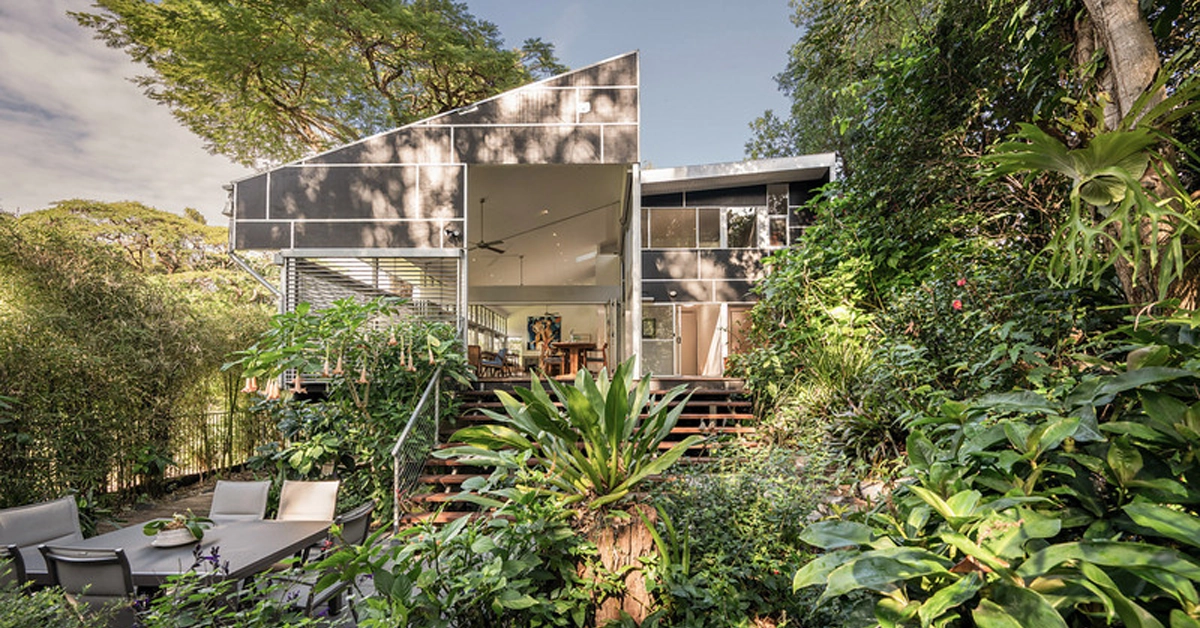
A Yeronga riverfront home shaped by two decades of family life is on the market, with its custom-built fittings and adaptable floor plan offering a different perspective on a property designed around the people who live in it.


Read: The Award-Winning Yeronga Home Is Finally For Sale


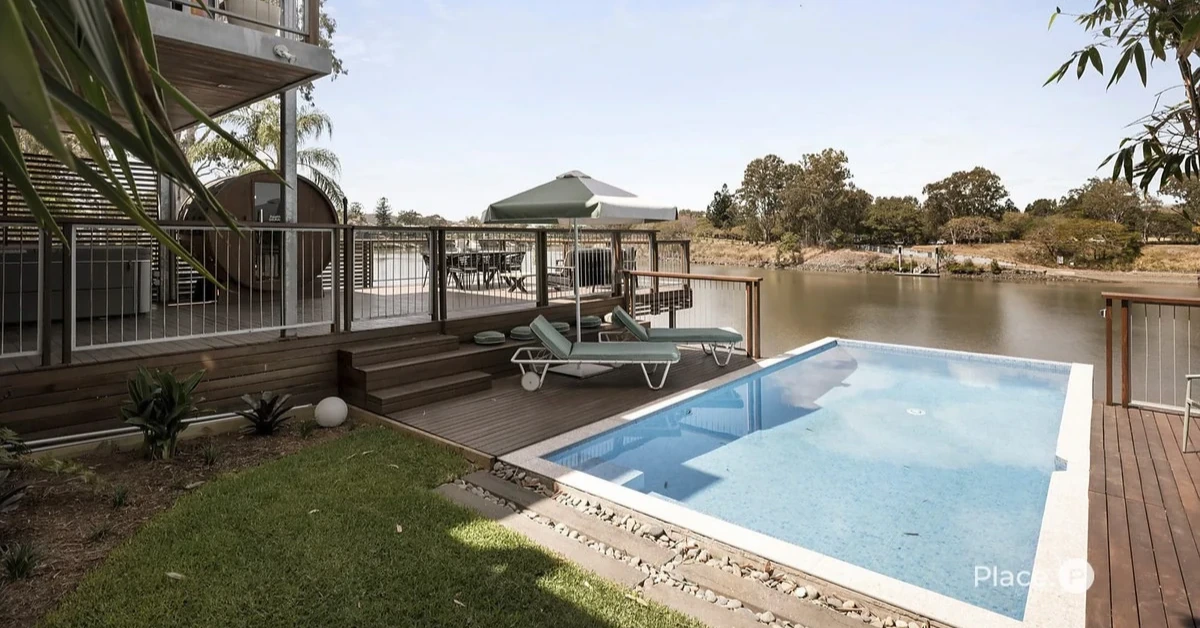
Brooke and Spencer Lambert, owners of Brisbane business Lamberts Design and Construction, are selling their five-bedroom residence after living there for 20 years. The property occupies a 690-square-metre block fronting the Brisbane River, with views towards Indooroopilly Golf Course.
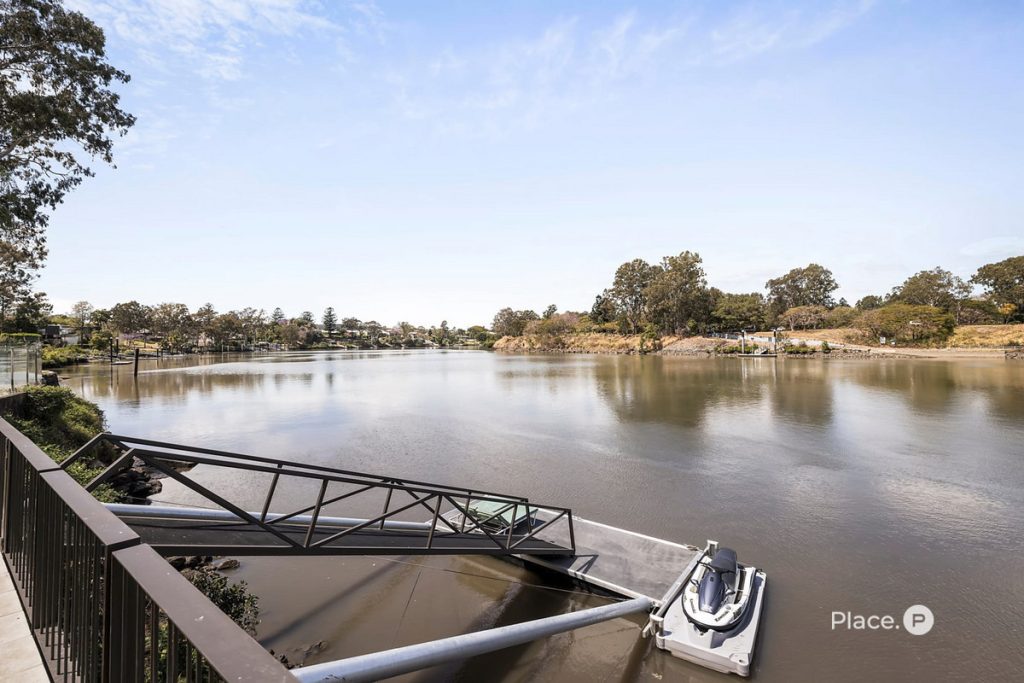
Photo credit: Place Ascot

The couple’s construction background is reflected in several details throughout the house, including a stainless-steel bathtub made specifically for the home. The unusual fitting came about after they could not find a commercially available design that met their requirements.

A Home Adapted Over Time
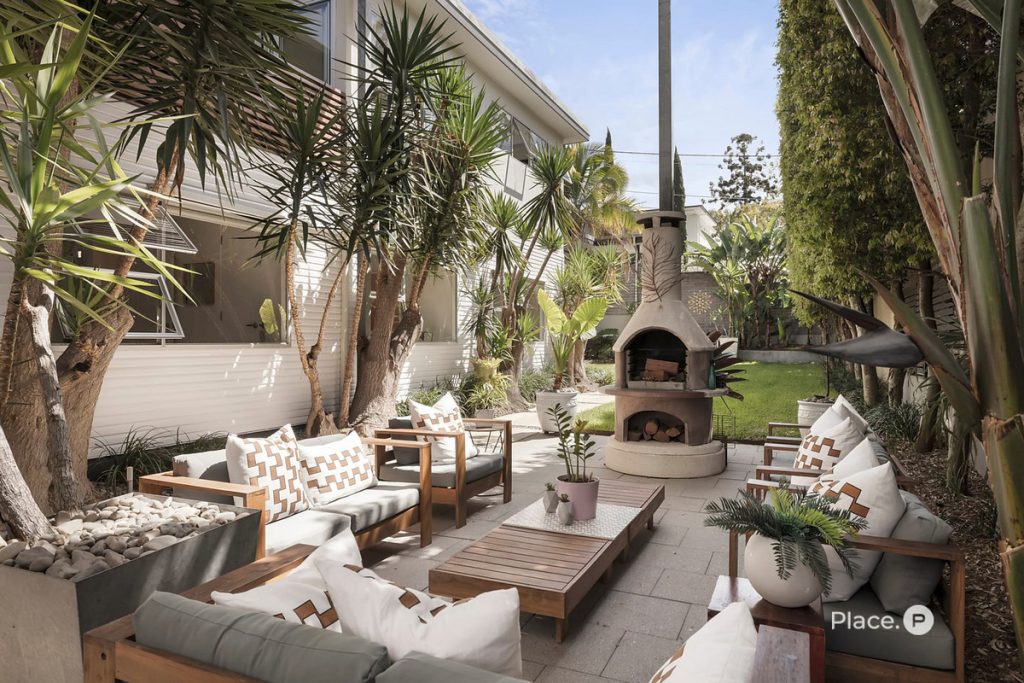
Photo credit: Place Ascot

Rather than redesigning the entire house, the Lamberts retained its original layout while updating the kitchens and bathrooms over the years. Their approach allowed the property to evolve without a complete reworking of its existing spaces.

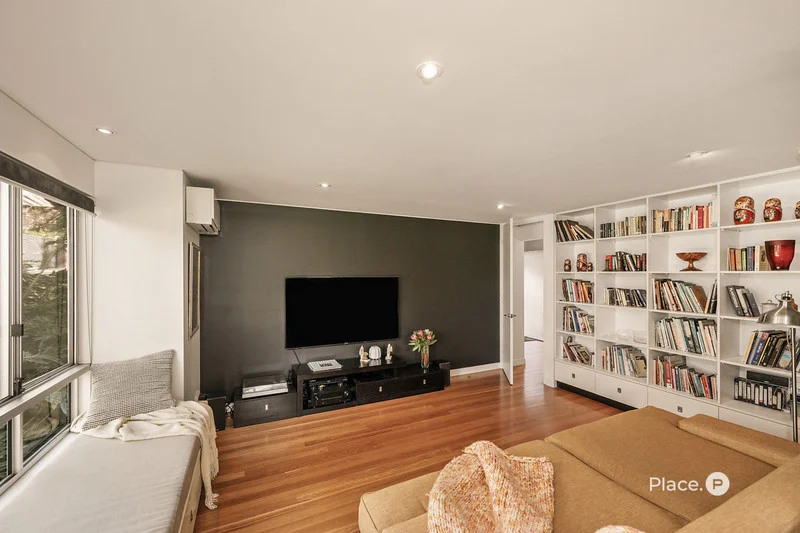
One significant addition was a second kitchen downstairs as their three children grew older. The extra facilities gave adult family members greater independence while keeping them within the same household. The separate living area has also accommodated visiting relatives.

The arrangement is a practical feature of a property with several living zones. It allows household members to spend time together while providing room for different routines and levels of privacy.

Living Across Two Levels
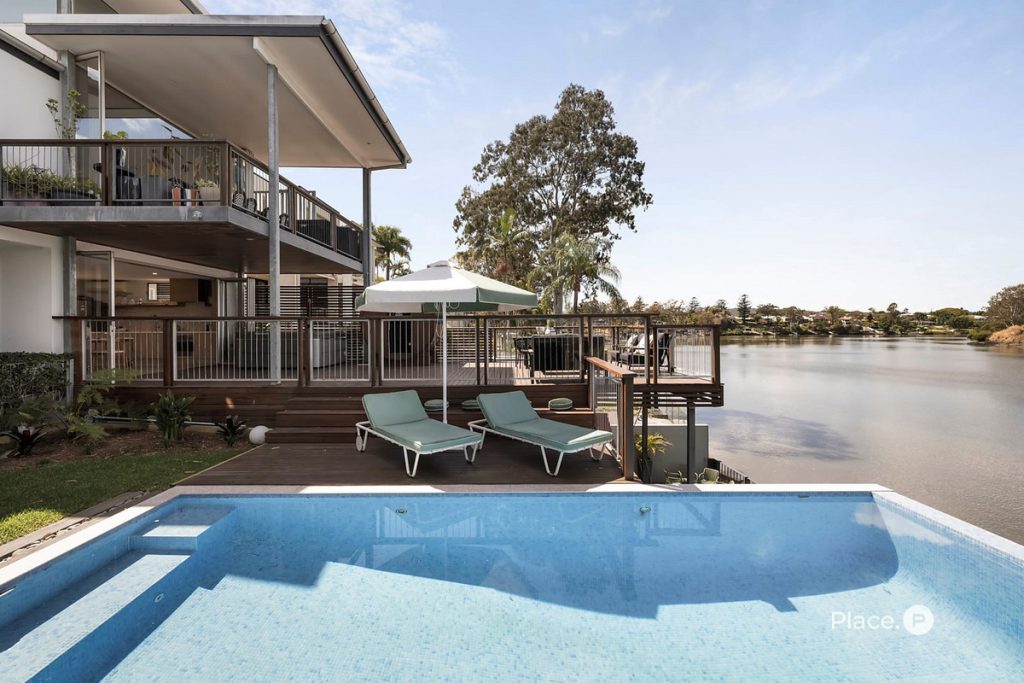
Photo credit: Place Ascot

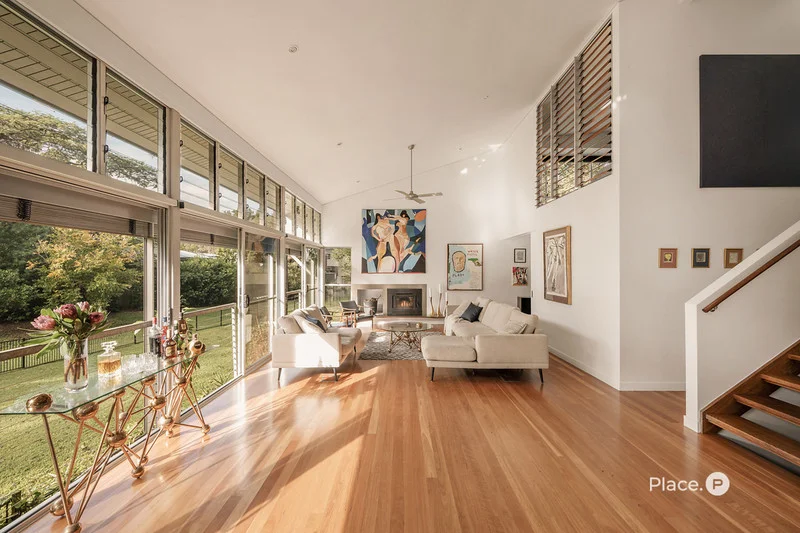
The lower level is arranged around an open-plan living area, bar and casual lounge. Bi-fold doors connect this space to an outdoor deck overlooking the saltwater swimming pool and river.

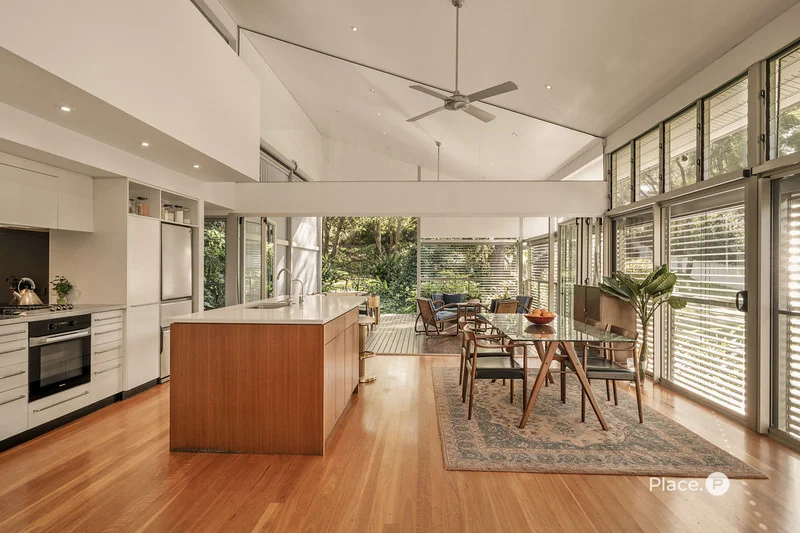
Upstairs, the kitchen, dining and living areas form another central gathering space. The kitchen features a stone island and stainless-steel finishes, with access to a covered outdoor entertaining area fitted with a separate kitchen and barbecue.
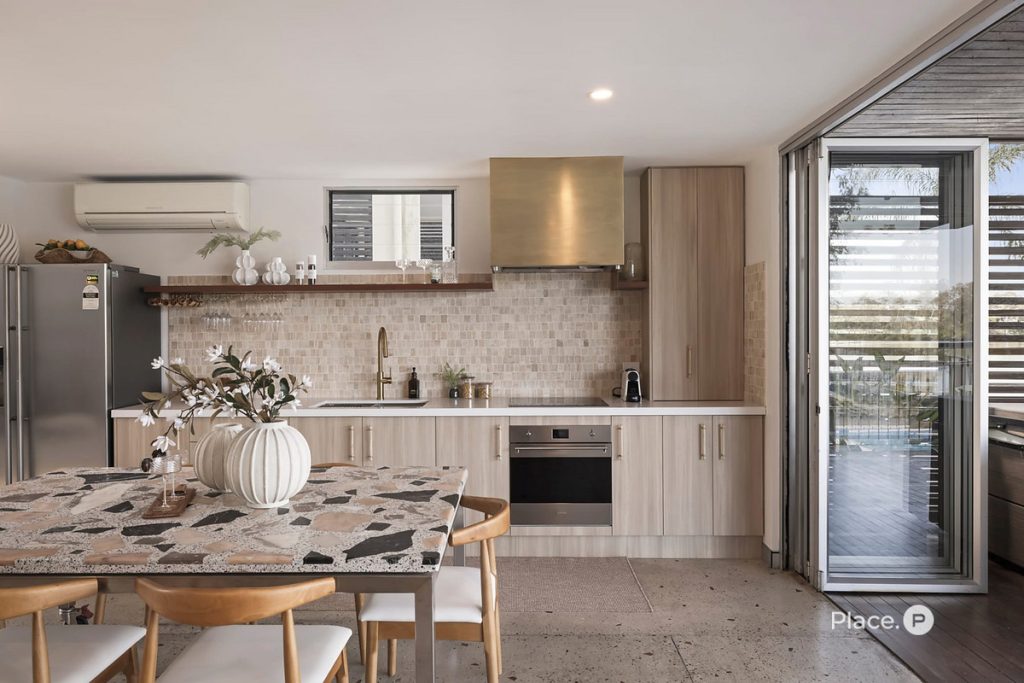
Photo credit: Place Ascot

A suspended gallery walkway leads to the loft-style main bedroom, which includes a walk-in wardrobe, ensuite and private balcony. Four further bedrooms, a study or library, a family bathroom and a powder room complete the accommodation.

The property also has an infrared sauna, spa, air-conditioning, storage, water tanks and parking for two vehicles, according to the available listing information.

River Access

The waterfront setting is a defining feature, with a deepwater pontoon and separate Jet Ski landing providing direct access to the Brisbane River. Gardens, a pool and outdoor entertaining areas extend the home’s living spaces beyond its interiors.

Place Ascot agents Josh Shanley and Jakob Morrison are marketing the property. The online listing did not display an asking price.


Read: Rare Yeronga Riverfront Estate Has Been Listed After 25 Years


After two decades in the home, the Lamberts are moving on from a property that has changed alongside their family. Its defining features are not limited to the river views: the additional downstairs kitchen, bespoke bathroom fitting and separate living zones show how the house has been adapted to meet changing needs.

Published 30-October-2026
Yeronga Property Near Proposed Arts Factory Seeks Investor Interest

A fully leased commercial property in Yeronga is reportedly seeking around $13 million, with five businesses occupying a site beside the proposed Yeronga Arts Factory precinct.


Read: The Award-Winning Yeronga Home Is Finally For Sale


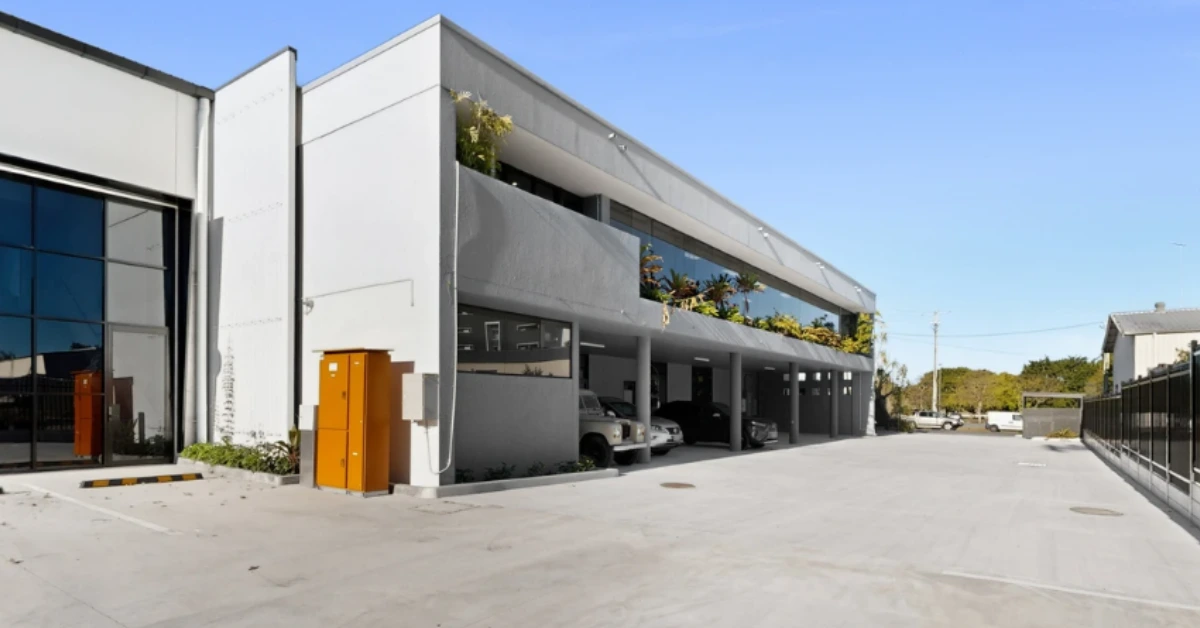
Brisbane developer Norhart Developments is behind the property at 22 and 24 Cansdale Street, which occupies a 2,722-square-metre site in the city’s inner south. According to the property listing, the holding has a scheduled net annual rental income of $672,757.

Five Businesses Occupy Yeronga Commercial Site

Photo credit: RWC Collective 

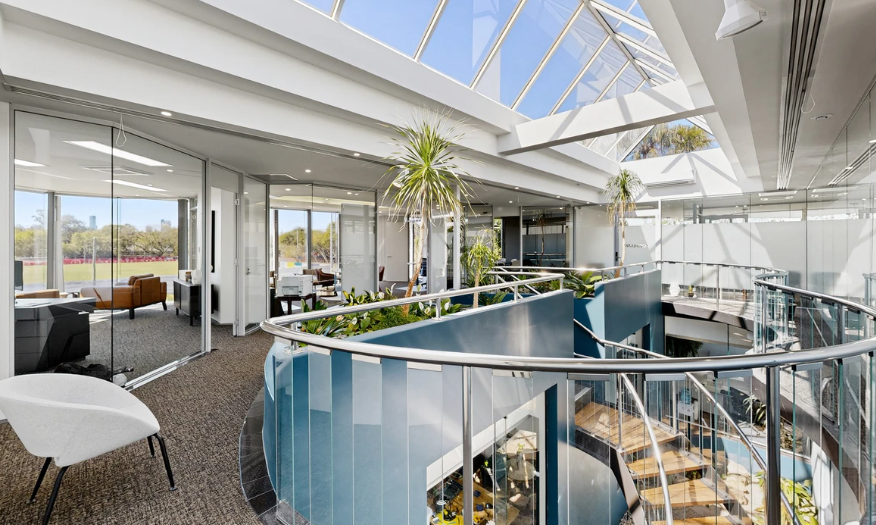
The property comprises six separate tenancies occupied by five businesses, with three office tenancies and three warehouse tenancies. The occupants operate across several industries, including electrical services, heating and cooling, health and cybersecurity. The mix of tenants and their respective commercial spaces forms part of the property’s investment appeal.

Warehouse accommodation accounts for approximately 60 per cent of the commercial space, while offices make up the remaining 40 per cent. The property offers approximately 1,695 square metres of lettable area.

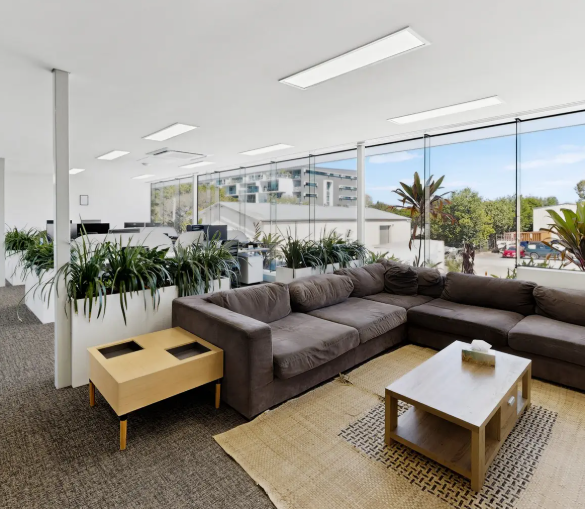
There are also 26 parking spaces on site, alongside several recent improvements to the buildings. These upgrades include renovated office interiors, a new central airconditioning system and a 39.6-kilowatt solar installation intended to reduce operating costs.

Proposed Yeronga Arts Factory Adds To Location Appeal

Photo credit: RWC Collective 

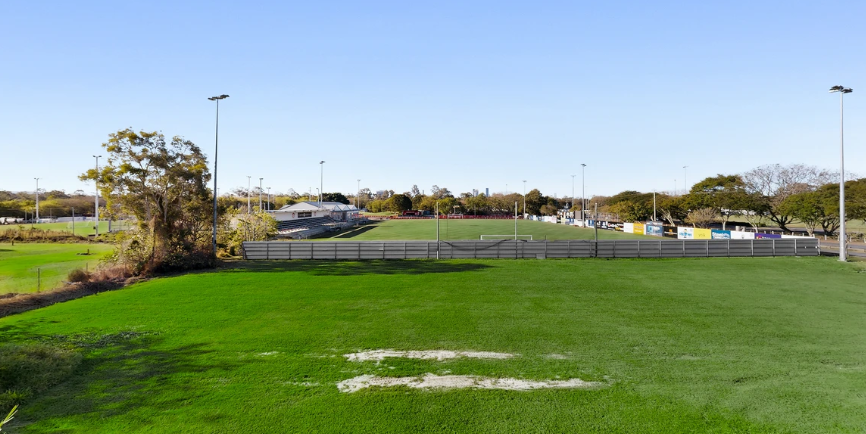
The property’s position beside the proposed Yeronga Arts Factory precinct is one of the features identified in its marketing campaign. 

RWC Collective agent Neal Orpin, who is marketing the property, has highlighted the neighbouring precinct as a distinguishing feature of the Cansdale Street holding. The site’s existing rental income and mix of commercial tenants also form part of its investment proposition.

The arts factory remains a proposed project, and its eventual impact on the commercial property has not been established. The site is also less than one kilometre from Yeronga railway station and approximately four kilometres from Brisbane’s CBD.

Expressions Of Interest Close In November

Photo credit: RWC Collective 

RWC Collective is marketing the property as an established commercial investment, with existing tenants and recent capital improvements.

Orpin has pointed to investor interest in suburban commercial properties combining office and warehouse accommodation. He has also identified the potential advantages of having several tenants contributing to rental income rather than relying on a single business.


Read: Yeronga Hosts Inaugural Aegean Cup Celebrating Football and Greek Culture


The expressions of interest campaign for 22 and 24 Cansdale Street is scheduled to close at 4pm AEST on Friday, 6 November 2026.

Published 21-October-2026
Yeronga to Bring Eight Greek and Cypriot Communities Together for Inaugural Aegean Cup 

Eight Greek and Cypriot communities will share the same pitch in Yeronga next month as Brisbane’s inaugural Aegean Cup brings a new generation together through football, heritage and friendly rivalry.


Goodwin Park will host the tournament on Saturday, 3 October, with teams representing Rhodes, Kos, Cyprus, Kastellorizo, Crete, Sparta, Kythera and Macedonia. Most players will be aged between 16 and 25, giving younger members of Brisbane’s Hellenic communities a chance to compete for their heritage while meeting people from associations beyond their own.

Organisers Tom Tellis and Jono Hazidavis developed the idea through Kos Club QLD after discussing how younger Greek Australians could become more involved in community life. James Kontoudious from GOYA later joined the organising team, helping turn the concept into an eight-team competition backed by associations, businesses, sponsors, players and families.

Brisbane football
Photo Credit: Aegean Cup/Instagram

Eight Communities, One Competition

The tournament will begin with Rhodes, Kos, Cyprus and Kastellorizo in Group A, while the Cretans, The Spartans, Kythera and Macedonia make up Group B. Gates open at 11:30am and the first matches kick off at noon, with the group stage running through the afternoon before the top two teams from each side of the draw move into the semi-finals.

The Group A winner will face the Group B runner-up, while the Group B winner will play the second-placed team from Group A. Semi-finals are scheduled between 5:20pm and 6:05pm, before the two remaining teams return under lights for the Grand Final from 7pm to 7:45pm. A trophy presentation will follow from 7:50pm.

Although the Cup will produce one champion, organisers have placed just as much emphasis on what happens between matches. The event was designed to give young Greek and Cypriot Australians another place to meet, build friendships and maintain links with the cultures and community organisations connected to their families.

Aegean Cup
Photo Credit: Aegean Cup/Instagram

A New Tradition Taking Shape

The organisers have spoken about football as the common ground capable of bringing people together across different island, regional and Cypriot backgrounds. Interest has already extended beyond the competing players, with Greek associations, local businesses, sponsors, families and members of the wider community becoming involved in the first event.

The longer-term ambition is for the Aegean Cup to return each year and become part of Brisbane’s Greek community calendar. Organisers hope younger participants leave Goodwin Park with new connections and a stronger reason to remain involved with their respective associations after the final whistle.


People interested in representing their heritage have been encouraged to contact the relevant association to find out whether it has a team competing and how they can become involved. The inaugural Cup will run from midday into the evening, finishing with the Grand Final and trophy presentation at Goodwin Park.

Published 22-September-2026

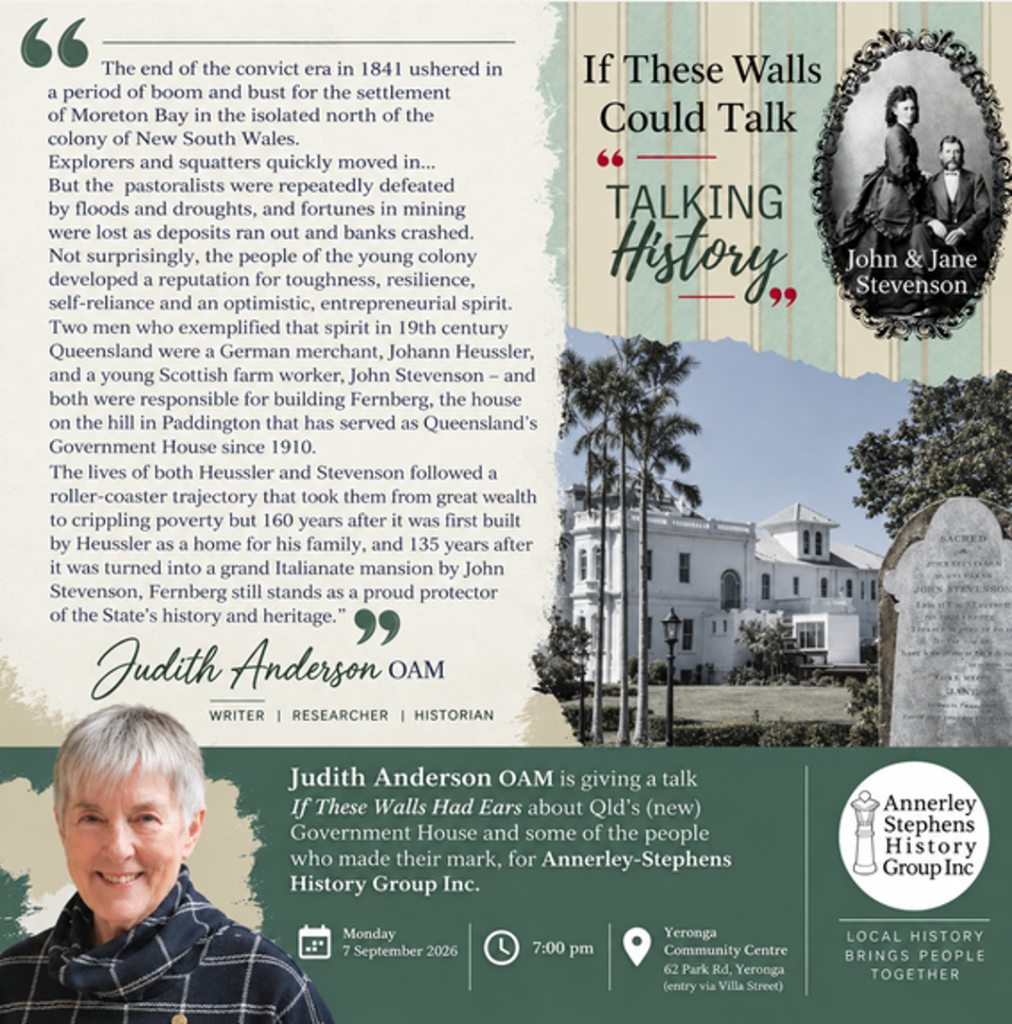
The Stories Behind Queensland’s Government House Are Coming to Yeronga

Behind the grand white façade of Queensland’s Government House are stories most visitors would never guess — of fortunes made and lost, ambitious plans that never came to pass, and the men and women who left their mark on the house long before and after it became an official residence.

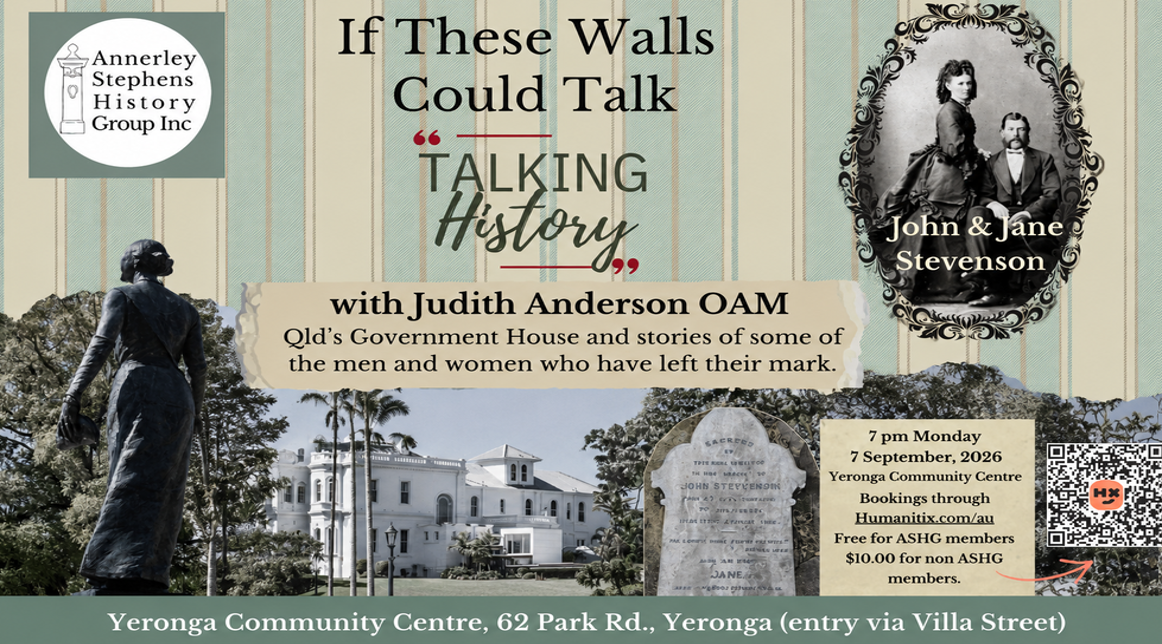
On Monday, 7 September, some of those stories will come to Yeronga when writer, researcher and longtime Government House volunteer guide Judith Anderson OAM presents If These Walls Could Talk for the Annerley-Stephens History Group.

Anderson’s illustrated Talking History presentation at Yeronga Community Centre from 7:00pm will use historic and contemporary photographs to look beyond Fernberg’s formal role and into the lives connected with the heritage-listed estate.

There is plenty to uncover. Fernberg was a private home for decades before it became Government House, one of its wealthy owners experienced an extraordinary reversal of fortune, and even a striking stained-glass figure watching over its staircase has a story of its own.

Before Fernberg became Government House

Fernberg was already decades old before a Queensland governor lived there.

The house was built in 1865 for merchant and politician Johann Christian Heussler and later acquired by pastoralist, businessman and parliamentarian John Stevenson.

Stevenson commissioned prominent Brisbane architect Richard Gailey to substantially enlarge the residence. Major extensions in 1889–90 transformed the earlier villa, creating much of the imposing Italianate mansion familiar today.

One particularly personal piece of Stevenson’s Fernberg remains inside.

The Scottish-born pastoralist commissioned a life-sized stained-glass representation of Robert the Bruce, King of Scots, which still occupies a prominent position above Fernberg’s grand cedar staircase.

Stevenson himself has another story to tell. The wealthy pastoralist and parliamentarian who oversaw Fernberg’s transformation would later experience a dramatic reversal of fortune.

Exactly where that story led is among the history best left to Anderson to tell.

The temporary Government House that stayed

Fernberg’s path to becoming Government House was not straightforward either.

Queensland’s original Government House stood in George Street. After a decision was made to make that building available to the newly established University of Queensland, Fernberg was selected as a temporary residence for the governor.

Governor Sir William MacGregor moved there in 1910.

There were plans for a purpose-built Government House elsewhere in Brisbane, but the permanent residence originally envisaged did not eventuate. Instead, the Queensland Government purchased Fernberg in 1911.

More than a century later, that supposedly temporary choice remains the official residence of Queensland’s governor.

It is a broad chronology containing many more stories than the official role of the building might suggest — and those people, rather than simply the architecture, have become an important part of Anderson’s research.

Years spent researching the people behind the house

Anderson’s connection with Fernberg extends beyond showing visitors through the historic residence.

Her research has included the people associated with Government House, and she was publicly acknowledged for her research when a gallery dedicated to the spouses of Queensland’s governors was officially opened at Fernberg in 2018.

Born and raised in Warwick and educated at The University of Queensland, Anderson has worked in Australia and internationally across a varied career. She was awarded the Medal of the Order of Australia in 2012 for service to women and the arts.

She is also the author of Earning a Crust: A Century of the Baking Trade in Warwick (1860s–1960s).

At Yeronga, her focus will turn to Fernberg and the stories of some of the men and women who left their mark on one of Queensland’s most significant historic residences.

If These Walls Could Talk

Talking History with Judith Anderson OAM will be held on Monday, 7 September 2026, from 7:00pm to 8:00pm at Yeronga Community Centre, 62 Park Road, Yeronga, with entry via Villa Street.

The event is presented by the Annerley-Stephens History Group. Admission is free for members and $10 for non-members.

Bookings are available through Humanitix.

Published on 2-September-2026

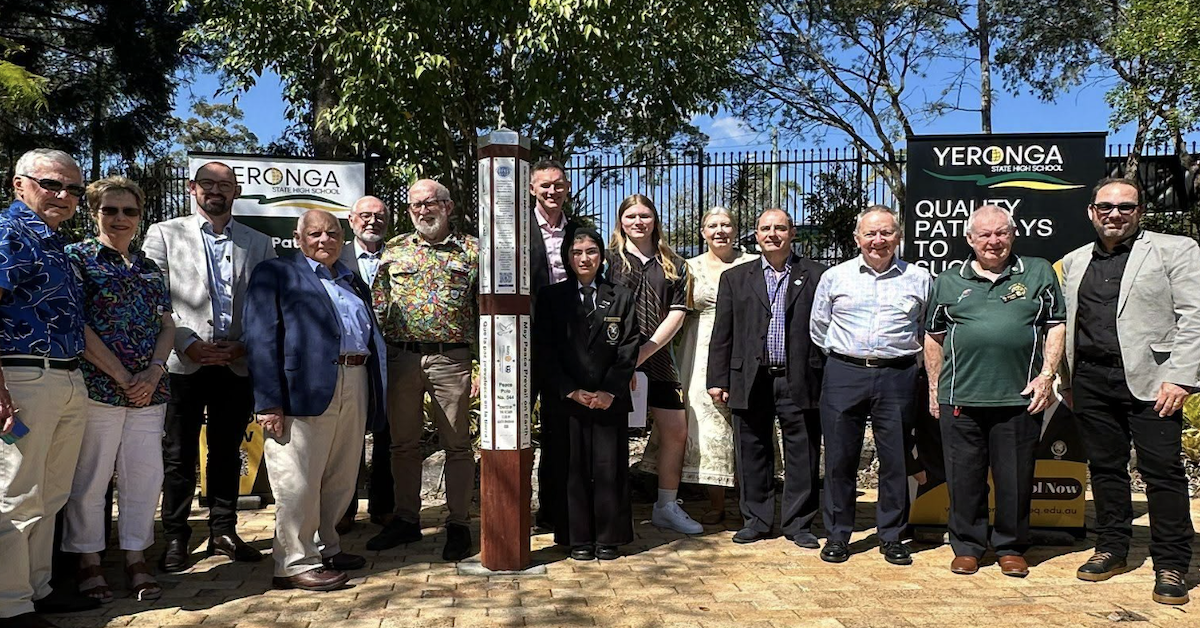
60-Year Interact Legacy Celebrated at Yeronga State High School

Yeronga State High School has marked six decades of student service and leadership with a special anniversary celebration and the dedication of a new Peace Pole, bringing together students, staff, former Interact members, Rotary representatives and community guests.


The celebration was held on Friday, 28 August, recognising 60 years of Interact at the school and the generations of students who have taken part in community service through the program.

Six decades of student service

Interact is Rotary International’s service program for young people aged 12 to 18, combining community projects with opportunities to develop leadership skills and build connections with others. Yeronga State High School describes its Interact Club as the longest-running service club in the school’s history.

School records show the club has maintained a longstanding association with Rotary and has been involved in fundraising and volunteering projects in the Yeronga district. Activities have included primary school fetes, fundraising barbecues, Christmas raffles, chocolate drives and other service projects. The school’s broader Community Participation Program also includes school fetes, primary school activities, student leadership appearances and Interact events.

Peace message reflects Yeronga’s diversity

A central part of the anniversary was the dedication of a new Peace Pole carrying the message “May Peace Prevail on Earth.”

During the ceremony, students and staff shared the message in Yagara, English, Dari, Arabic, Vietnamese, Mandarin, Somali, Swahili and Spanish, as well as Auslan. The languages reflected the diversity of the school community and formed part of a celebration of service, leadership, diversity and inclusion.

Rotary and local volunteers support the milestone

The Rotary Club of South Brisbane, the Rotary Peace Pole Project and Beenleigh Men’s Shed were among those involved in the anniversary, alongside school staff and students.

Peace Pole projects elsewhere in Queensland have also involved partnerships between Rotary clubs, schools and Men’s Sheds, with the Beenleigh District Men’s Shed involved in producing poles for school projects.

Students and staff at Yeronga also prepared and served refreshments during the anniversary gathering.

A service tradition spanning generations

Yeronga State High School itself opened in 1960, placing the Interact club’s six-decade history across almost the entire life of the school. The milestone also allowed current and former members to reflect on the generations of young people who have participated in the program.


The new Peace Pole will remain on the school grounds as a lasting reminder of the anniversary and its message of peace. The school said it would stand as a reminder to future generations of Yeronga students of the words, “May Peace Prevail on Earth.”

Published 30-Aug-2026

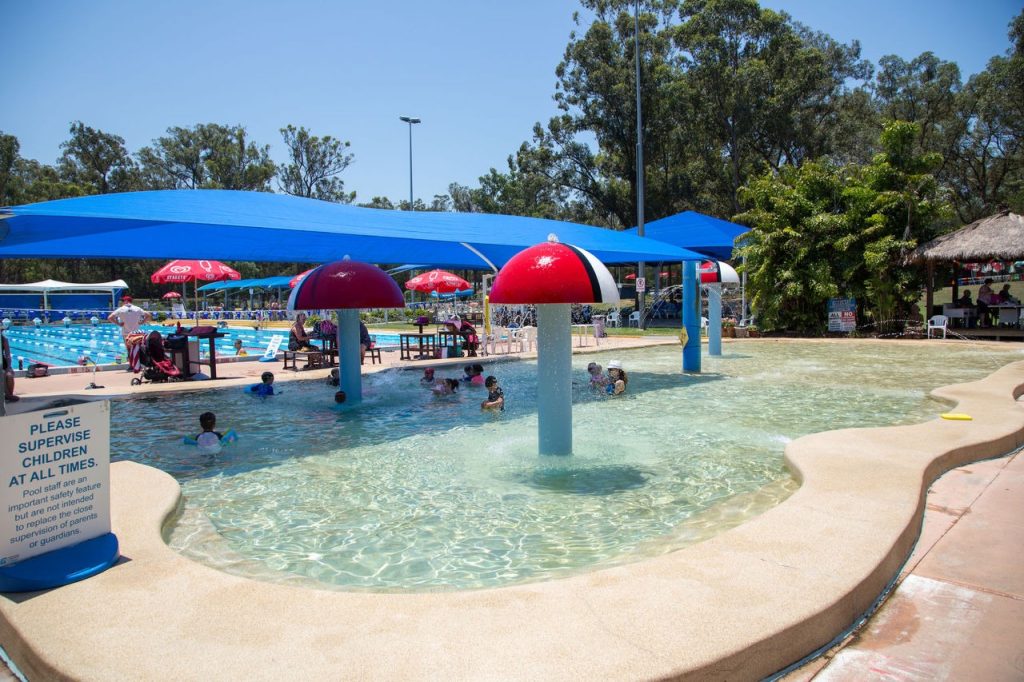
Yeronga Pool To Introduce AI Cameras As Extra Water Safety Measure

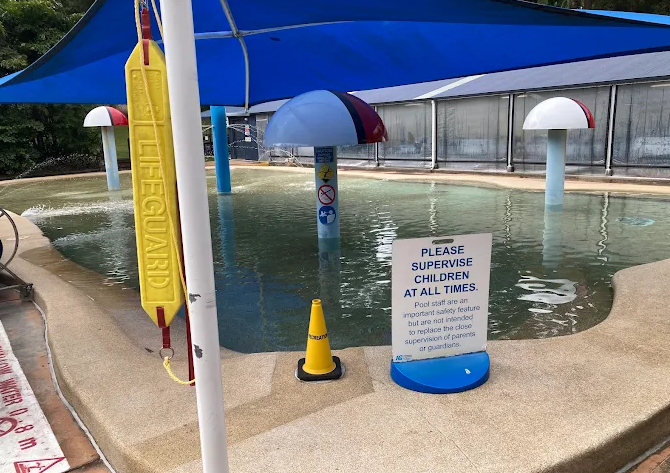
Yeronga Park Memorial Swimming Pool is set to trial new artificial intelligence cameras within months, with the technology designed to alert lifeguards when swimmers show signs of struggling or distress.


Read: More Than a Medallist: The Incredible Journey of Yeronga Swimmer Victoria Belando Nicholson


The Lynxight system will be installed at Yeronga Park Memorial Swimming Pool and Runcorn Aquatic Centre as part of a 12-month trial. It will use AI to monitor swimmers and alert lifeguards when it detects a potential problem. The technology is intended to give lifeguards another way to identify swimmers who may need help at Brisbane’s public pools.

Photo credit: BCC

Cr Adrian Schrinner has described the system as an additional set of eyes for lifeguards, while stressing that it is intended to support their work rather than replace them.

Technology Designed To Support Lifeguards

Lynxight uses artificial intelligence to monitor swimmers and detect signs that someone may be in distress. When a potential problem is detected, an alert can be sent to a lifeguard so the situation can be assessed.

The technology is already being used at other Australian aquatic facilities. Royal Life Saving Australia has partnered with Lynxight as the system is rolled out nationally.

Royal Life Saving Australia said the technology can help lifeguards monitor swimmers and address gaps in supervision, while acknowledging that AI cannot physically rescue someone from the water. The organisation has also said the cameras do not identify swimmers or collect personal data, describing the system as an additional layer of safety.

The technology is intended to work alongside trained lifeguards. If an alert is triggered, a lifeguard can assess the situation and respond if needed.

Debate Over Lifeguard Staffing

Photo credit: Google Maps/Kevin Costello

The planned trial has also prompted discussion about how technology should be used alongside pool staff.

Cr Jared Cassidy has argued that AI should help lifeguards do their jobs rather than be used as a reason to reduce staffing or add other duties. He has also called for lifeguard staffing to match demand at Brisbane’s public pools, noting that a camera cannot physically rescue someone from danger.


Read: Yeronga Rates Fall as Brisbane Budget Reveals Diverse Financial Impact


The trial will give Brisbane an opportunity to assess how the system works alongside lifeguards and whether it can provide an additional layer of safety for swimmers.

For people using Yeronga Park Memorial Pool, the technology will form part of the facility’s existing safety arrangements rather than replace the human supervision provided by lifeguards.

Published 14-August-2026

The Award-Winning Yeronga Home Is Finally For Sale

An award-winning Yeronga home that captured an architect’s heart the moment he walked through the front door has quietly come to market — and its owners admit selling is “a bit devastating”.


Photo Credit: Place

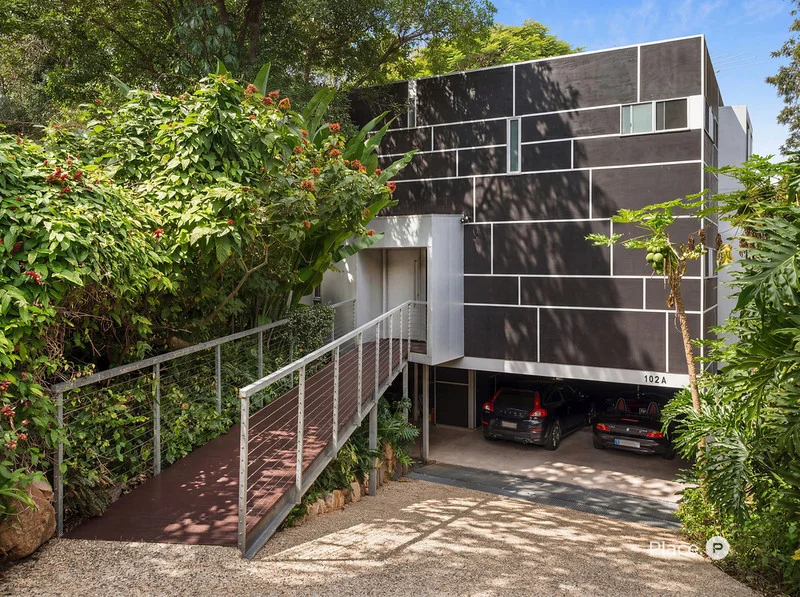
There’s a certain irony in an architect being surprised by good design, but that’s exactly what happened to Michael Kisluk when he wandered down a long shared driveway at the end of a quiet Rome Street South cul-de-sac in Yeronga. He’d spotted an open-for-inspection sign and — on a whim — decided to take a look. What he found inside changed the course of his life.

Photo Credit: Place

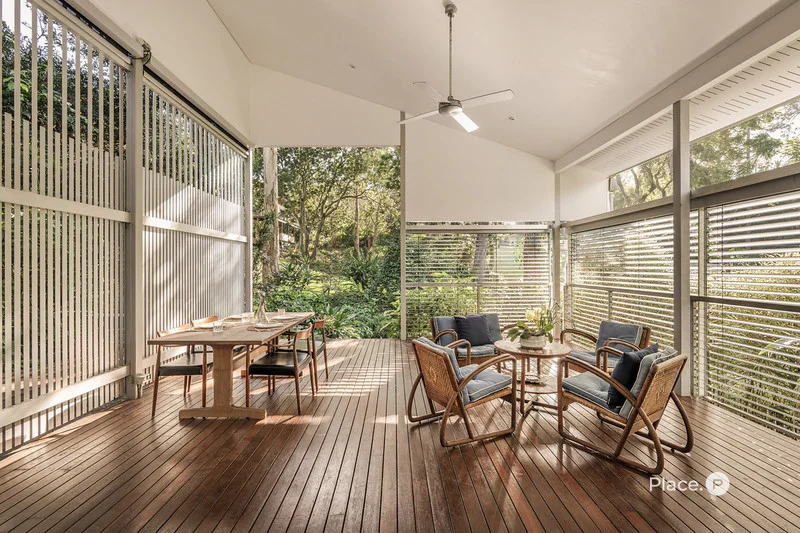
Light filtered through mechanised louvres and expansive glass sliding doors into a double-height, open-plan living space. Beyond the glass, there was nothing but greenery. Kisluk, who had been renting nearby, was immediately captivated by the proportions, the orientation, and the quality of detail throughout. His professional instincts told him straight away that a fellow architect had conceived the space.

Photo Credit: Place

He was right. The home was designed by Queensland architect Shane Thompson — who faced significant challenges with the site, a gully setting near the Brisbane River — and was ultimately named Brisbane’s House of the Year in 2006. Thompson is a Robin Boyd Award recipient whose work has earned him numerous national and international accolades. Learning about that recognition only confirmed what Kisluk already felt in his gut.

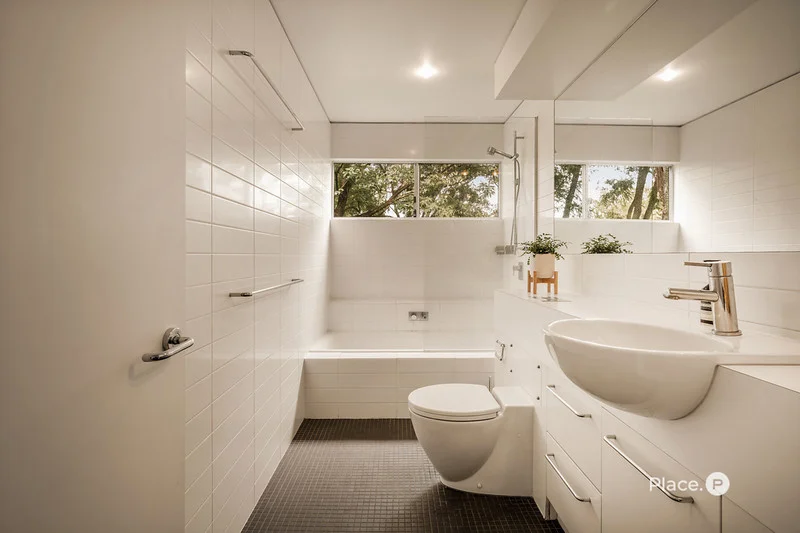
He bought the property — a four-bedroom, two-bathroom home with two car spaces at 102a Rome Street South — and moved in with his partner, film director Mairi Cameron, within weeks.

Photo Credit: Place

Cameron is no stranger to recognition herself. Her psychological thriller The Second — the first Stan Originals feature film produced in Australia — was nominated for an AACTA Award, a Logie Award, and SPAA’s Feature Film of the Year. With a dedicated media room converted from the fourth bedroom, she was able to bring her work home comfortably.

Photo Credit: Place

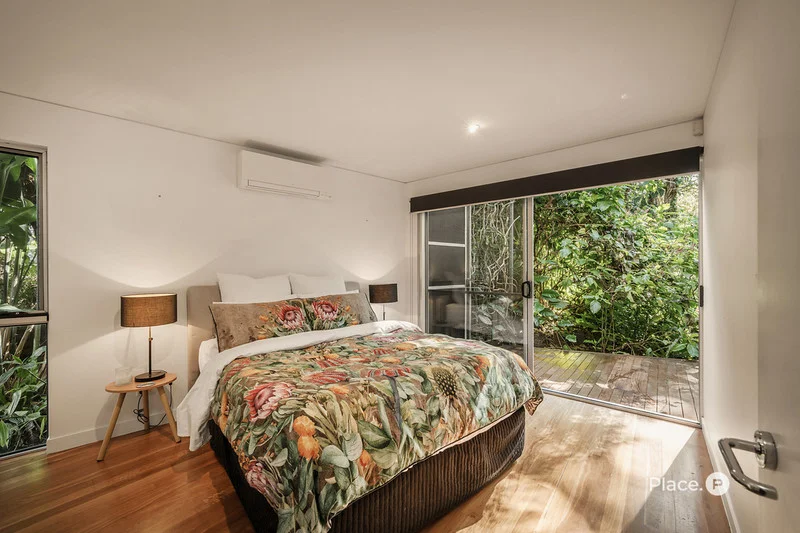
For Kisluk, the experience of living in a well-designed home proved revelatory in a different way. Rather than uncovering flaws — as he says tends to happen when moving into a new property — the couple kept discovering things to admire. The blackbutt timber floors, the Miele kitchen, and the mechanised louvres were all in exceptional condition. The main bedroom suite includes what Kisluk describes as an extraordinarily generous walk-in wardrobe, while two additional upstairs bedrooms have hosted his adult daughters on visits.

Photo Credit: Place

One of those daughters was so taken with the home that she chose it as the venue for her own wedding.

Photo Credit: Place

The property occupies a unique position in the Yeronga streetscape: while it doesn’t have direct river frontage, it backs onto the gardens of several neighbours on three sides, creating an atmosphere Kisluk likens to living within a private botanical garden — all the visual rewards of lush surroundings without the maintenance that comes with them. In the mornings, he says, the only sounds are rowers on the Brisbane River and king parrots picking through sunflower seeds on the deck.

The living room opens directly to the garden, and the couple have made generous use of the space, hosting gatherings that bring together friends from the architecture and creative communities alike. On warm evenings, fairy lights strung outside transform the garden into something approaching the theatrical.

So why leave? The couple recently purchased a property on South Stradbroke Island — a fixer-upper, a project — and have found themselves spending most weekends there. With the island calling, keeping a large family home in the city no longer makes sense.


It’s a practical decision, but not an easy one. Kisluk says friends and colleagues who learn they’re selling respond with genuine disbelief. Finding a home where everything works in harmony, he notes, is genuinely rare. For now, 102a Rome Street South is listed through Place, with agent Julia Doyle (0426 388 876).

Published 6-August-2026

Flood Zones and the Brisbane Boom: Why Yeronga Buyers Are Hesitant — and Still Buying

In Yeronga, not all homes are being swept up equally in Brisbane’s red‑hot property boom. While the city’s overall market continues to surge, houses in flood zones are taking longer to sell, and some are fetching lower prices than similar homes outside risk zones. 


Read: ‘People thought we were crazy’: Why new home buyers are gambling on flood zones


Even as three‑bedroom Yeronga homes have seen median growth, demand for certain property types appears softer, with potential buyers navigating the trade‑off between desirable riverside living and the very real risk of flooding.

A real estate agent working in Yeronga says flood risk often comes up early in conversations with buyers. Properties closer to the Brisbane River, particularly those identified as flood‑prone, tend to attract fewer interested parties and can remain on the market longer than homes in less exposed parts of the suburb.

Yeronga’s Flood Footprint

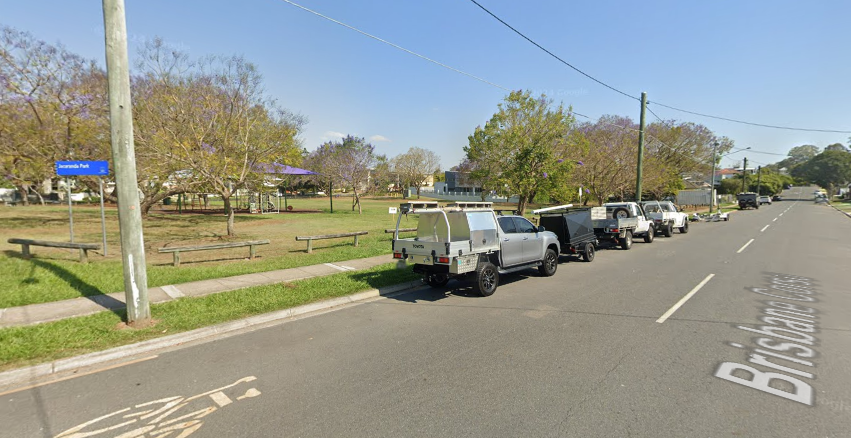
Yeronga’s location along the Brisbane River has long been both a selling point and a potential concern. Significant flooding events, including major inundations in 2011 and again in 2022, affected parts of the suburb, and lower‑lying streets near the river remain at higher risk. During the 2022 floods, rising waters forced evacuations at a retirement living facility in the area.

Buyers looking at Yeronga properties are increasingly advised to check Brisbane’s Flood Awareness Maps or generate a detailed FloodWise Property Report to understand a property’s flood exposure. These tools show where flooding has occurred historically and model future risk, helping buyers make informed decisions about homes that might be affected by riverine or overland flooding.

Median House Prices and Market Numbers

Photo credit: Google Street View

Recent property market data for Yeronga paints a nuanced picture. According to realestate.com.au, the median house price for a three‑bedroom home in Yeronga in the period from February 2025 to January 2026 was $1,377,500, with growth of 13.6 percent. Two‑bedroom houses had a median price of $1,140,000, down 17.1 percent over the same period, indicating weaker demand in smaller properties..

In the same period, there were 1,351 prospective buyers interested in properties in Yeronga, but only 74 houses were sold — illustrating a significant disparity between demand and homes available. This tight supply helps explain ongoing interest in the suburb despite flood risk concerns.

Even within areas considered prone to flooding, some larger homes near the river have sold for strong prices, sometimes above typical median values, indicating that factors such as location, lot size and proximity to amenities still strongly influence buyer behaviour.

Buyer Sentiment: Risk vs Reward

Photo credit: Pexels/RDNE Stock Project

Industry professionals say that flood risk is part of most buyers’ research process. Prospective buyers frequently consult official flood maps and property reports before attending inspections, and agents ensure this information is available early to help buyers assess risk.

Some buyers are prepared to accept the flood risk in exchange for access to the suburb’s desirable features, such as proximity to Brisbane’s inner city, quality schools and established neighbourhood character. Others, particularly those sensitive to long‑term resale prospects or higher insurance costs, are more cautious, and the flood overlay can be a deciding factor against purchase.

Insurance costs for properties in designated high‑risk flood areas are often higher, particularly for homes near waterways, and buyers are encouraged to consider these costs as part of their overall budget. This reflects broader patterns across Brisbane, where flood risk and climate impacts increasingly intersect with property decisions.


Read: Rare Yeronga Riverfront Estate Has Been Listed After 25 Years


Conclusion

Yeronga’s housing market exemplifies the tension in Brisbane’s broader property boom. While median prices for some property types continue to rise, others lag or soften, particularly where flood risk is a factor. 

Buyers and sellers in Yeronga must balance financial aspirations with practical risk assessments, weighing location, lifestyle and long‑term value against the unpredictability of nature. In this leafy riverside suburb, flood awareness has become an integral part of the property conversation.

Published 19-February-2026

Active School Travel Program Returns to Yeronga and Brisbane Schools

As students across Brisbane return to classrooms for the 2026 school year, Brisbane’s Active School Travel program is encouraging families to rethink the school run—swapping car trips for walking, cycling, and public transport.


Read: St Sebastian’s Primary School Gathers Christmas Hamper Donations for Local Families in Need


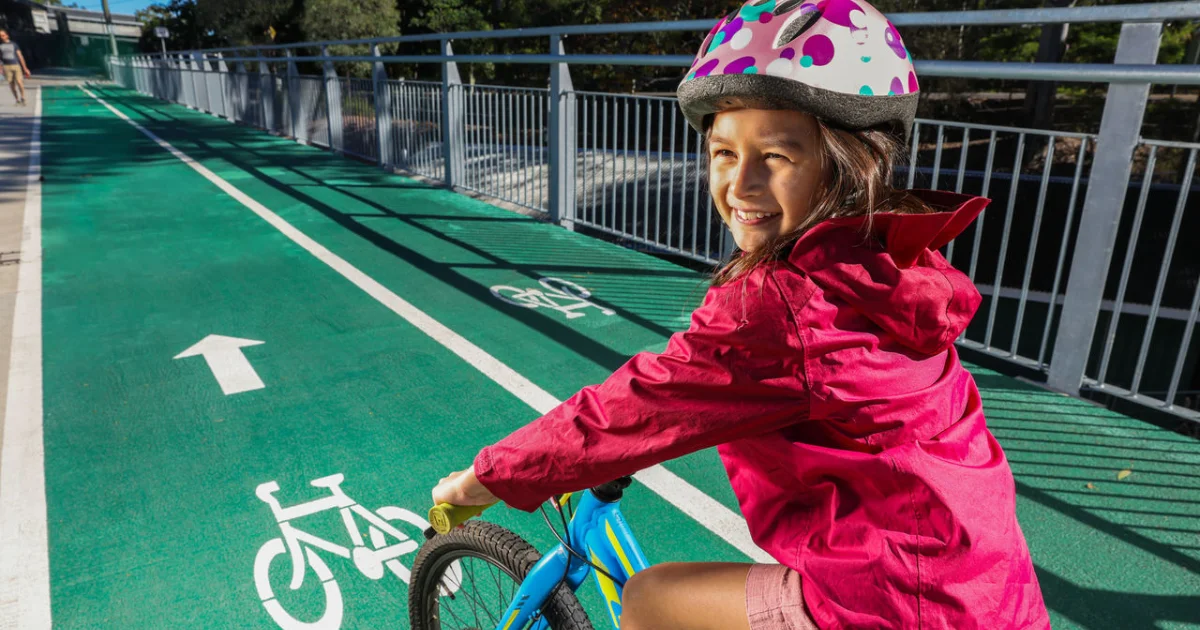
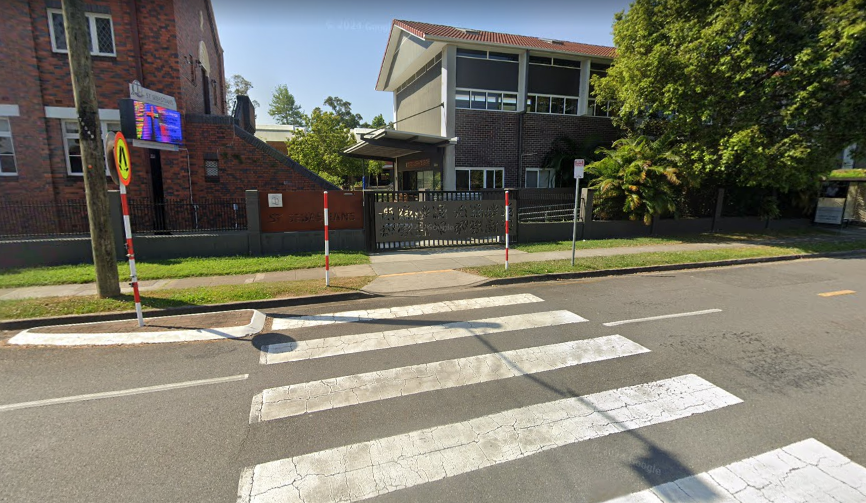
The initiative, which supports primary schools throughout the city including local institutions such as St Sebastian Primary School in Yeronga, aims to reduce traffic congestion around school gates while promoting healthier, more active lifestyles for young people.

Photo credit: Google Street View

Cr Nicole Johnston announced the program’s return for 2026, reminding motorists to slow down and watch for students making their way to school on foot, by bike, or scooter.

The Active School Travel program invites primary schools to participate in initiatives designed to make the journey to and from school safer and more active. Schools that join the programme work to build awareness about road safety, encourage physical activity among students, and ease the morning traffic chaos that many parents know all too well.

The program comes as Brisbane continues to roll out its broader Safer School Precincts initiative across the city. While the initial precincts focus on Kedron, Mansfield, Wynnum Manly, and Indooroopilly, the council has committed to improving road safety infrastructure, pedestrian connectivity, and opportunities for active travel near schools throughout Brisbane.

These improvements are designed to benefit everyone in the community, whether they walk, ride, catch public transport, or drive. The goal is straightforward: get students to school and home again more safely, with more transport choices and less time spent in traffic.

Photo credit: BCC

The Active School Travel initiative addresses safety concerns by building greater awareness about school road safety among students and families. The program encourages school students to be more active, building healthier habits while helping students develop road safety awareness.

As the new school year gets underway, council representatives are urging all road users to exercise extra caution in school zones. Increased foot and bicycle traffic means drivers need to be particularly vigilant, especially during the first weeks of term when routines are still being established.


Read: Plans Scrapped for Children’s Mental Health Clinic in Yeronga


Parents interested in learning more about active school travel options can contact their school directly or visit BCC’s website for resources and information about the program.

With Brisbane students heading back to school, the message from council is clear: slow down, look out for kids, and consider whether your family might join those choosing to walk, ride, or roll to school.

Published 4-February-2026

Yeronga Set to Become New Home for Brisbane Community Umpires

Yeronga is set to take centre stage in Brisbane’s football landscape, with community umpires preparing to shift their training base to the suburb, marking a major change in where the next generation of officials will learn, connect and grow within the game.


After several years based at Moorooka, Brisbane’s community umpire program will relocate its main training operations to Yeronga, reflecting a broader alignment with AFL Queensland’s home. 

The move brings youth and South East Queensland senior umpires into a more central setting, placing training alongside the state body that oversees the sport’s development. The change is designed to strengthen links between umpires and the wider football network while keeping training accessible for participants across Brisbane.

Acknowledging Moorooka’s long-standing role

The relocation also marks the end of a long partnership with Moorooka AFC, which has hosted community umpire training for many seasons. 

The AFL Queensland has formally recognised Moorooka’s contribution, noting the role the club played in supporting and mentoring umpires at grassroots level. Moorooka was an important base that helped foster a supportive and welcoming environment for officials learning their craft.

Opportunities for new and returning umpires

From 21 January 2026, weekly training for youth and South East Queensland senior umpires will take place at Yeronga AFC in Leyshon Park on Wednesday nights from 6:00 p.m. to 8:00 p.m.

It’s a chance for new participants to get involved, with Brisbane Community Umpires encouraging interested locals to attend sessions and learn more about officiating pathways. 

What stays the same across Brisbane

Not all umpire programs will move to Yeronga. State League umpires will continue training at Zillmere AFC on Tuesday and Thursday nights, while a Brisbane North venue for youth umpires is expected to be confirmed later. 

Together, the arrangements aim to balance continuity with change as Brisbane’s umpiring structure adapts for the 2026 season.


Published 7-Jan-2026