
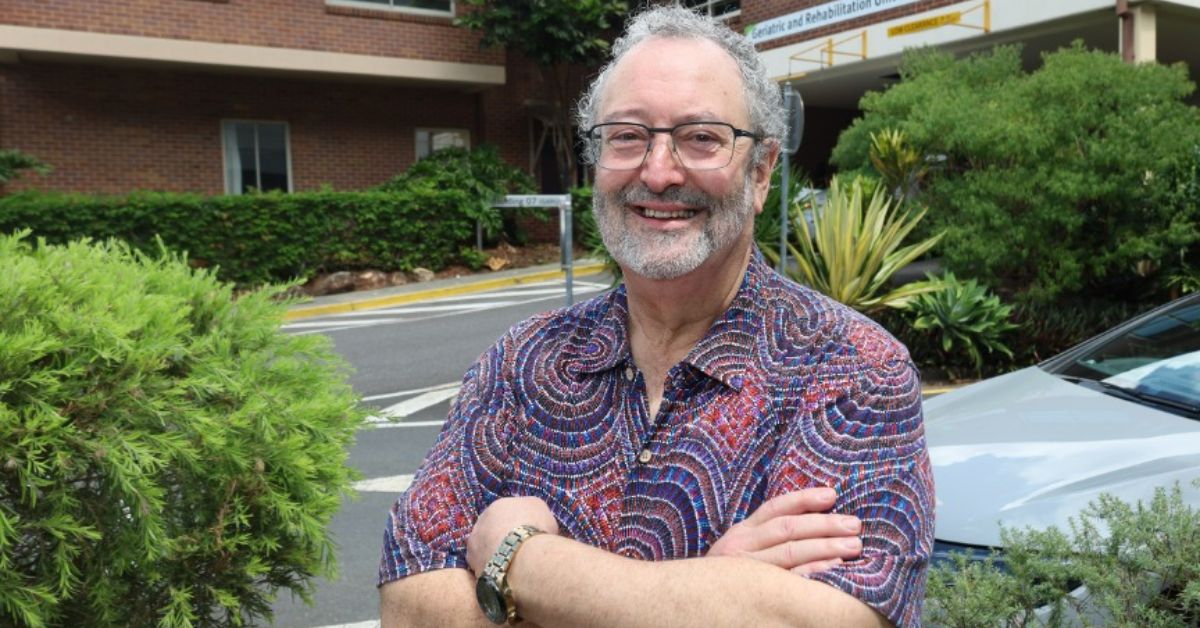
Dr Phil Aitken: The Doctor Who Helped Build Australia’s Leading Stroke Unit

When Dr Phil Aitken walked into the Princess Alexandra Hospital as a medical trainee in the early 1980s, geriatrics was barely a specialty in Queensland. When he retired recently, the PA’s Stroke Unit was the highest-performing in Australia. That arc, from a reluctant geriatrics rotation to founding one of the country’s best stroke services, is the career of a doctor whose influence will outlast him by generations.


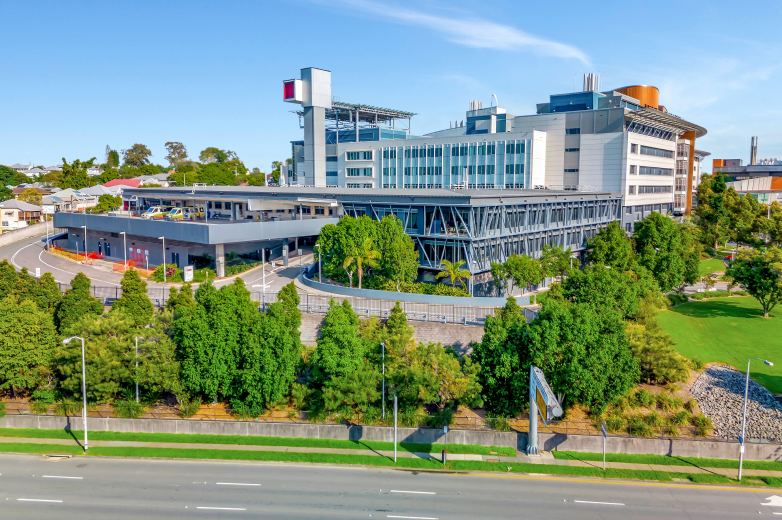
The PAH sits in Woolloongabba, a few kilometres from the centre of Brisbane, and it has been Aitken’s professional home for nearly his entire working life. He graduated from the University of Queensland in 1980 and became a Fellow of the Royal Australasian College of Physicians in 1988, building a career at the PA that shaped not just the hospital’s capabilities but the trajectory of geriatrics as a discipline across Queensland.

A Rotation That Changed Everything

Aitken did not set out to become a geriatrician. He was drawn to gastroenterology, but staying at the PA required him to take a geriatrics rotation. It was a term he took out of necessity and came to love out of conviction.

“I did rotations in General Medicine and Gastroenterology, and I really liked gastro but to remain at PAH I had to do a term of geriatrics,” he said. “This was when I realised what I wanted to do.”
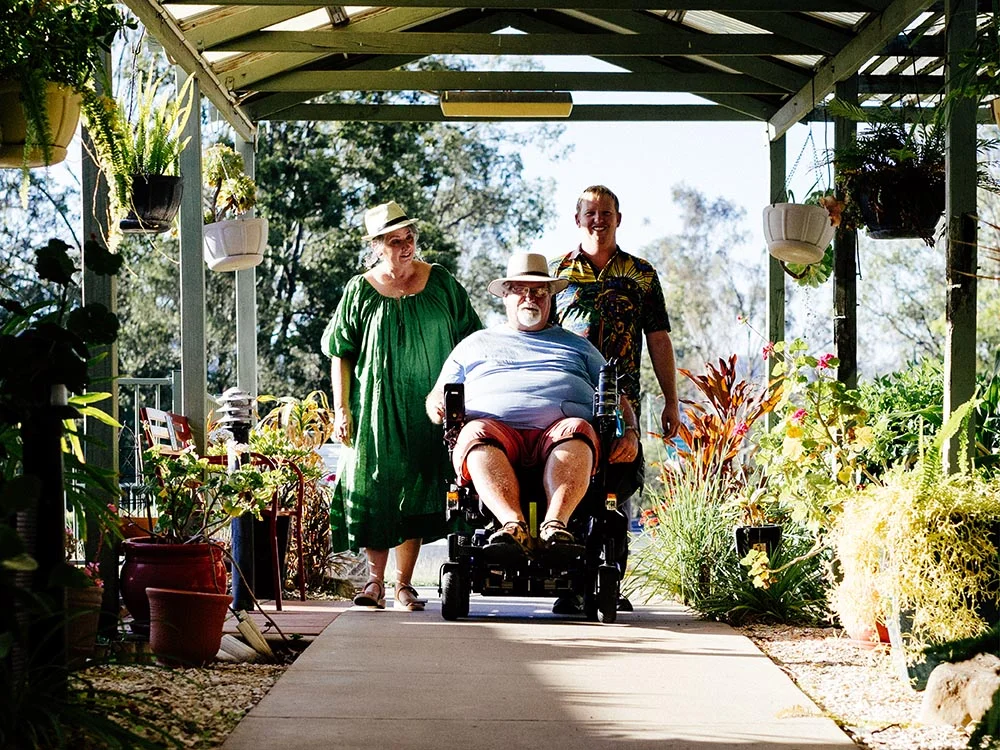
Dr Phil Aitken required him to take a geriatrics rotation to stay at the PA.
Photo Credit: Metro South Health

He was the first Queensland medical trainee in geriatrics in 20 years when he undertook that placement, stepping into a specialty that was still finding its feet. The doctors who taught him there left a mark that shaped everything that followed. Under the mentorship of Dr Glenise Berry, Dr Keith Hirschfeld, Dr Glenda Powell, Dr Ian McCracken and Dr Paul Hopkins, Aitken found not just a clinical direction but a model for what good medical teaching looked like. He would spend the rest of his career trying to replicate it.

“I found PAH was a friendly and supportive environment for learning and I have been proud to call this hospital home for most of my career,” he said.

Building the Stroke Unit From Scratch

After his formative years at the PA, Aitken went to England as a registrar in neurology and geriatrics, where he contributed to stroke studies that had lasting consequences. One of his studies was later used by renowned Professor Peter Langhorne to validate and establish stroke units as a model of care, laying the research foundation for what Aitken would eventually build back home.
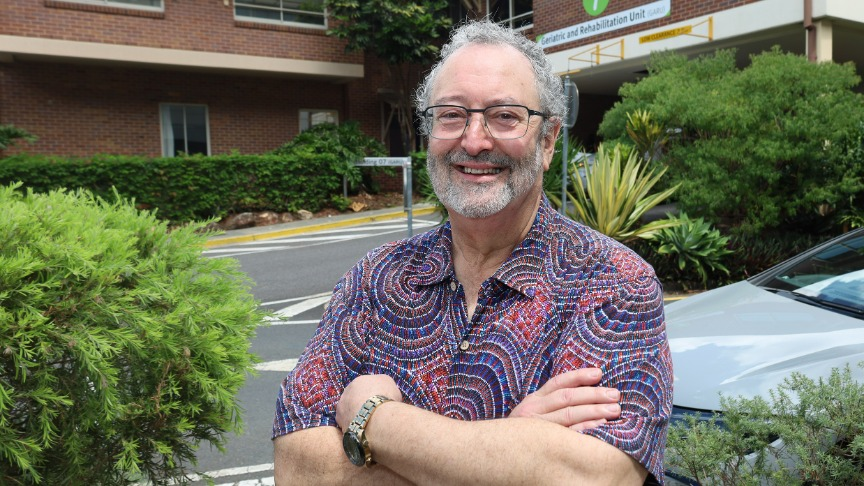
Photo Credit: Metro South Health

When he returned to PAH, that research informed a mission. In October 1997, Aitken established the Stroke Unit at PAH alongside colleagues Graham Hall, Jon Chalk and Chris Staples, creating what would become the template for integrated stroke care in Queensland.

“One of the proudest moments of my career was my involvement to start the Stroke Unit which opened in October 1997,” he said. “We set up as a triumvirate of geriatrics, general medicine and neurology, taking turns being on-call but we all looked after these patients. We worked hard on the Stroke Society guidelines and KPIs and PAH is now consistently the highest performing Stroke Unit in Queensland and Australia.”

That result did not happen by accident. It came from a deliberate commitment to collaboration across specialties, and from a clinician who understood that the quality of a unit is inseparable from the culture built inside it.

Making Geriatrics Stick for the Next Generation

Aitken has always been quick to point to the team around him. He is the first to acknowledge the neurologists, general medicine physicians, nurses and allied health professionals whose work made the stroke unit what it became. But his influence on the generation of doctors who trained under him is harder to deflect.

He taught at the old Schonell Theatre at the University of Queensland and brought to those lectures the same quality that defined his clinical work: warmth, humour and a genuine belief that caring for older people is one of medicine’s most meaningful callings.

“At the end of one of my lectures at the old Schonell Theatre, a bloke congratulated me on keeping the student’s attention,” he said. “If that’s the measure then I can probably say I succeeded in making geriatrics sexy to the next generation of medicos using anecdotes and humour.”

“Ultimately, the collaborative and collegial atmosphere we have created for learning and treating patients is key to anyone gravitating to geriatrics and I hope my mentorship and commitment to these patients has influenced others.”

A Career Woven Into the Fabric of Woolloongabba

For the Annerley and Woolloongabba community, the PA Hospital is not just an institution on Ipswich Road. It is a place where tens of thousands of local families have had their lives changed, or saved. The people who build that place from the inside, who stay for decades, who start new units and teach new doctors and push the quality of care upward year after year, are the reason a public hospital becomes something more than a building.

Dr Phil Aitken is one of those people. His retirement leaves a gap, but it also leaves a stroke unit that is the best in the country, a specialty that is healthier in Queensland for his presence in it, and a long line of doctors who chose geriatrics partly because someone once made it feel like the best job in medicine.


Published 30-March-2026.
Two New Businesses Are Taking Over the Former Southside Antiques Building on Ipswich Road

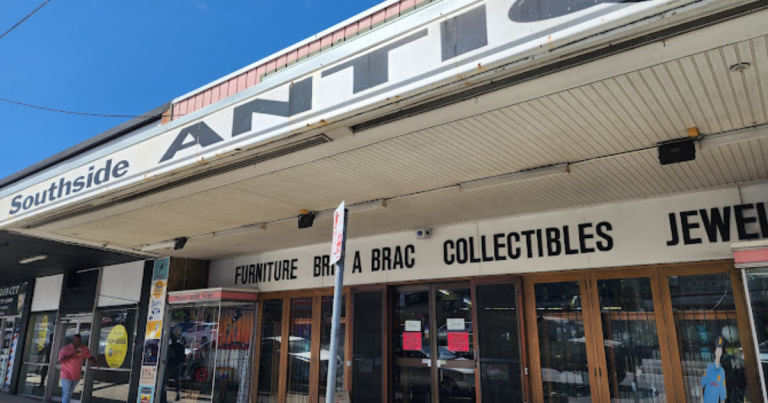
The building at 484 Ipswich Road in Annerley that housed Southside Antiques for more than four decades is preparing to welcome two new occupants, with Brisbane fashion label dogstar and a kintsugi-inspired business called Kintsugi both confirmed as incoming tenants.


The arrival of the two businesses marks a new chapter for one of Annerley’s most recognisable commercial addresses, which fell quiet when Southside Antiques closed its doors permanently on Christmas Eve 2024. For residents of Annerley and the surrounding southside suburbs, the transition signals the next life of a building that has been a community touchstone since the early 1980s.

The End of an Annerley Institution

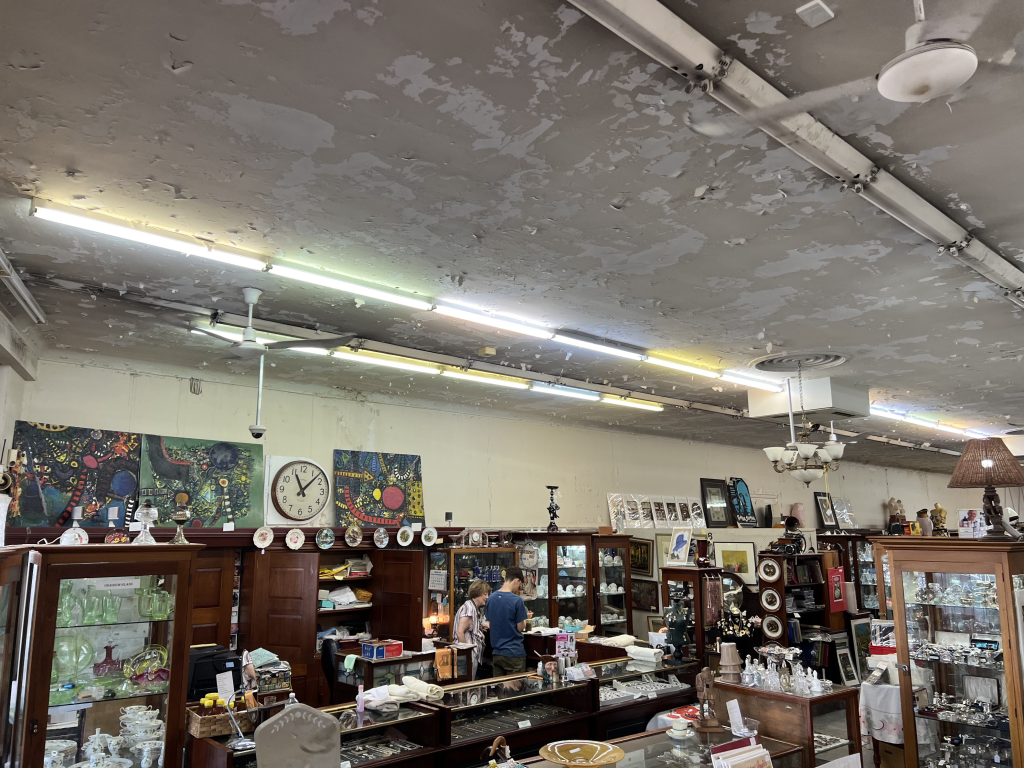
Southside Antiques operated at 484 Ipswich Road for more than 40 years, becoming one of Brisbane’s largest and most respected antique centres before the McGuigan family announced their retirement and closed the store permanently in December 2024. At its peak, the centre spread across two levels and housed more than 150 display cabinets, stocking everything from English fine china and Australian pottery to militaria, vintage fashion, antique furniture and paper collectables. It drew collectors from across Brisbane and interstate, and its position at Annerley Junction made it a natural stop for anyone travelling the Ipswich Road corridor.

Southside Antiques in 2023
Photo Credit: SLM/Google Maps

The site at 484 Ipswich Road itself carries a longer history still. Before becoming an antiques centre, the building operated as Lunn’s Cake Shop, run by Olive and Fred Lunn and a well-known local business in the Annerley community. That layered history gives the address a significance that extends well beyond its most recent use, and the arrival of two creative, design-led businesses continues a tradition of the site serving as a gathering point for people who care about craft and quality.

Dogstar Returns to Its Southside Roots

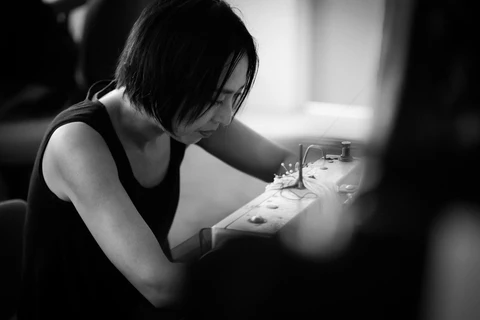
Dogstar was founded in 1998 by Brisbane fashion designer Masayo Yasuki and has built a reputation for fashion designs defined by careful attention to cut, comfort and quality. The label is known for unique cuts and impeccable craftsmanship, a strong commitment to using natural fibres and the ability to make clothes fit beautifully, with design, quality and sustainability at its core.

Founder Masayo Yasuki
Photo Credit: dogstar

Yasuki launched dogstar by selling her designs at the Fortitude Valley markets before growing the label into a multi-store retail and manufacturing operation. The brand has weathered significant challenges over 25 years of Brisbane-based business, including the 2011 floods which destroyed an earlier studio, and has emerged as one of the most enduring independent fashion labels in Queensland. Dogstar currently operates boutiques in Paddington, Indooroopilly and the CBD, and the Annerley studio at 484 Ipswich Road is currently under renovation ahead of its opening. Dogstar’s contact page confirms the address is currently under renovation and coming soon, with the Annerley location set to serve as the label’s head studio.

The move to Annerley brings dogstar back to the southside of Brisbane where the brand has long had a presence and a loyal following. For Annerley residents, having a design and production studio of this calibre operating from Ipswich Road adds a genuinely distinctive creative anchor to the suburb’s commercial strip.

Kintsugi Brings a Philosophy of Repair and Beauty

The second incoming tenant, Kintsugi, takes its name from the Japanese art of repairing broken ceramics with gold, silver or platinum, treating the repair itself as something to celebrate rather than conceal. The philosophy behind kintsugi holds that an object’s history, including its breakages, is part of what makes it beautiful and valuable. As a business name and concept, it carries a strong resonance with the kind of considered, craft-focused approach that suits the Annerley building and its history.

Further details about the Kintsugi business and its opening timeline are expected to follow as the renovation progresses.

A New Chapter for a Familiar Corner in Annerley

The transition at 484 Ipswich Road reflects a pattern playing out across a number of Brisbane’s inner southside suburbs, where character buildings that once housed earlier commercial uses are finding new life as creative, design-led businesses. For Annerley, which sits at the junction of Ipswich Road and Annerley Road and carries a strong identity as an honest, community-minded suburb with deep local history, the arrival of dogstar and Kintsugi represents exactly the kind of considered new energy that respects what came before while bringing something fresh to the neighbourhood.

Residents wanting to stay up to date on the Annerley studio opening can follow dogstar at dogstar.com.au or on Instagram at @dogstarclothing.


Published 27-March-2026.

Souths Rugby Union Club Opens New Clubhouse at Annerley’s Chipsy Wood Oval

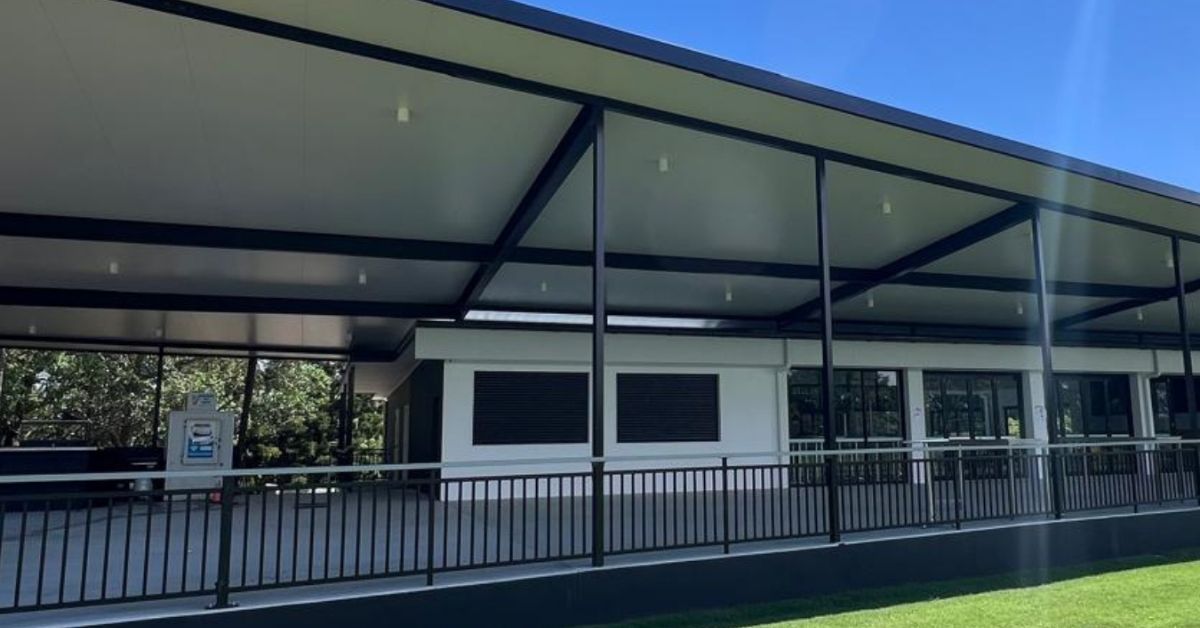
Souths Rugby Union Club has officially opened a new clubhouse and upgraded facilities at its Chipsy Wood Oval home in Annerley, completing a $2.1 million redevelopment that brings the Magpies’ infrastructure into line with the club’s standing as one of Australia’s most decorated rugby union clubs.


The Stage 2 redevelopment received $1 million through the Games On! Grassroots Infrastructure Program, with a further $370,000 contributed toward the upgrades. Combined with Queensland infrastructure funding that supported Stage 1, total contributions from these programmes reached $1.65 million across both stages of the project.

For a club that has been part of Brisbane’s southern suburbs since 1948, the new facilities mark a significant moment in a long and storied history. Souths Rugby Union Club fields players from under-6 all the way through to Premier Grade, and the new infrastructure serves that entire community, from the youngest Magpies taking their first steps on the field to the senior men’s and women’s sides competing at the top level of Queensland rugby.

A Club Built on Decades of Excellence

Founded in 1948, Souths Rugby Club competes in the Queensland Premier Rugby competition and has built a strong reputation as a pathway to elite rugby. The club has produced more than 70 Queensland representatives and over 30 Australian representatives. Souths has secured ten Queensland Premier Rugby premierships, highlighted by a dominant run of five consecutive titles from 1991 to 1995. On the national stage, the Magpies claimed the Australian Club Championship in 1987, further cementing the club’s status as a powerhouse of the sport.

The club has produced five Australian captains: Nev Cottrell, David Codey, Andrew Slack, Tim Horan and Jason Little. Andrew Slack led Australia to their Grand Slam in 1984, one of the most celebrated achievements in Wallabies history, and Tim Horan and Jason Little remain two of the most recognised names in Queensland rugby.

The Junior and Senior clubs merged in 2016, and the club now fields players from under-6 to Premier Grade. Training and matches take place across two locations: Chipsy Wood Oval at 104 Frederick Street in Annerley, and Shaftesbury Street Oval at 111 Shaftesbury Street in Tarragindi. The Annerley site carries particular significance as the club’s senior home, and the new clubhouse redevelopment centres on that ground.

What the New Facilities Deliver

The completed redevelopment delivers a new clubhouse alongside purpose-built female changing rooms, addressing two of the most pressing infrastructure needs that the club had been carrying for some time. The clubhouse upgrade benefits every member of the Magpie community: junior players and their families, senior athletes, coaches, volunteers and supporters who give their time to the club across the season.

A modern, well-equipped clubhouse changes the experience of being part of a club on multiple levels. It provides a comfortable gathering space for families on game day, a functional base for the coaches and administrators who keep the club running and a welcoming first impression for new members considering joining. For junior players especially, the quality of a club’s facilities shapes the overall experience of the sport at a formative age.

Souths Rugby Chair of Building Infrastructure and Community Chris Hourigan described the new facilities as a gamechanger for the club across the board, covering the needs of junior boys and girls and senior women and men alike, as well as volunteers and supporters. He acknowledged that the full scope of the redevelopment would not have been achievable without the combined funding support the club received.

Why This Matters to the Annerley Community

For residents of Annerley and the surrounding southern suburbs, Souths Rugby Union Club is more than a sporting organisation. Chipsy Wood Oval has been a fixture of the local landscape for decades, and the club’s junior programme has introduced generations of local children to rugby union, providing them with coaching, teamwork and community in a suburb-level setting that no stadium or elite programme can replicate.

The new clubhouse strengthens that community function at every level. It gives the Magpie Army a home they can be proud of, supports the volunteers whose efforts sustain grassroots sport week after week and signals to families across the southern suburbs that Souths Rugby is invested in its future. With Brisbane building toward the 2032 Olympics and rugby union enjoying growing participation across Queensland, the timing of the Annerley upgrade positions the club well to attract the next generation of players and continue its long tradition of producing representative talent.

For more information about joining Souths Rugby Union Club or attending matches at Chipsy Wood Oval, visit southsrugby.com or call the club on (07) 3848 3215.


Published 17-March-2026.

PA Hospital’s Spinal Injuries Unit Completes Bedside Technology Rollout as Part of Major Rehabilitation Upgrade

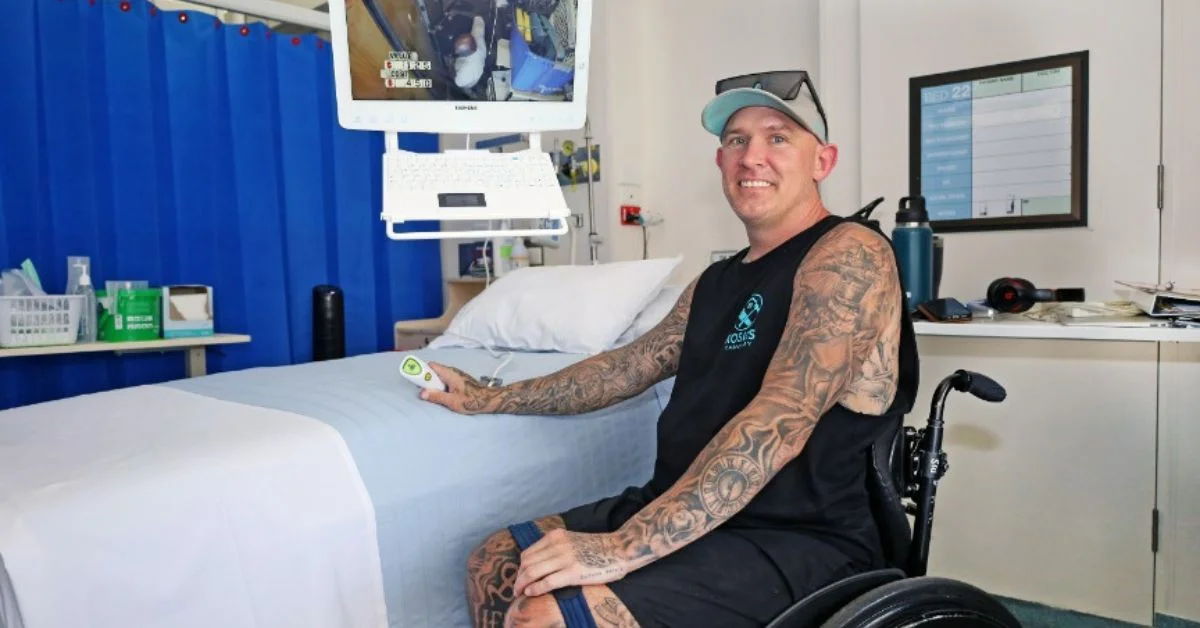
The spinal injuries unit at Princess Alexandra Hospital has completed the installation of a bespoke patient experience system across its 40-bed ward, giving patients with spinal cord injuries access to upgraded bedside technology designed specifically for varying levels of upper limb function.


The rollout was completed in January 2026 as part of the Queensland Spinal Cord Injury Service Enhancement Project, a multi-stage upgrade of Queensland’s only specialist spinal injuries rehabilitation unit. The system was developed by Rauland Australia in collaboration with technology experts, patient advocates, consumers and clinical staff at the hospital.

What the New System Provides

The Patient Experience System delivers upgraded screens, computer functionality and touchscreen capability from the bedside, along with an adaptable menu covering entertainment, connectivity with family and friends, and nurse call capacity. The system includes accessibility features tailored to patients with higher levels of spinal injury, including sip-puff navigation and touchpad controls that allow patients with limited or no hand function to operate the system independently.

QSCIS Enhancement Project clinical lead Beth Walter said the installation is a pilot for hospital settings, reflecting the complexity of meeting the technology needs of a highly specialised ward. Walter said the team spent considerable time ensuring the functionality worked correctly across all devices, and that the collaborative process between consumers, clinicians and technology providers was central to the result.

Part of a Broader Rehabilitation Upgrade

The bedside technology installation is the latest in a series of enhancements to the spinal injuries unit under the QSCIS Enhancement Project. Earlier stages of the project delivered a renovated and relaunched dining room and kitchen, which reopened in late 2025 with internal ward access and improved communal space for patients undergoing long-term rehabilitation. The physiotherapy team also received new equipment earlier in 2025, including a TyroMotion Lexo robotic gait training machine, a HUR resistance machine and a NuStep unit.

Spinal Cord Injury Service Delivery Model
Photo Credit: Queensland Health

The TyroMotion Lexo enables therapists to support neurological patients through simulated walking, improving strength, circulation, muscle tone and cardiovascular fitness while reducing falls risk. Together, the equipment and facility upgrades represent a sustained investment in the rehabilitation environment for patients who may spend extended periods in the unit during recovery.

The Princess Alexandra Hospital provides statewide spinal injury services and is one of Queensland’s two largest tertiary referral hospitals. It sits on Ipswich Road, Woolloongabba, near the Annerley and Dutton Park borders, and is accessible via public transport on multiple bus routes and the nearby Dutton Park train station.

Further Information

Further information about the spinal injuries unit and the Queensland Spinal Cord Injury Service is available at metrosouth.health.qld.gov.au. The Princess Alexandra Hospital is located at Ipswich Road, Woolloongabba QLD 4102.


Published 3-March-2026.

Yeronga State High School Becomes One of Australia’s First to Offer Hot Vending Machines at Tuckshop

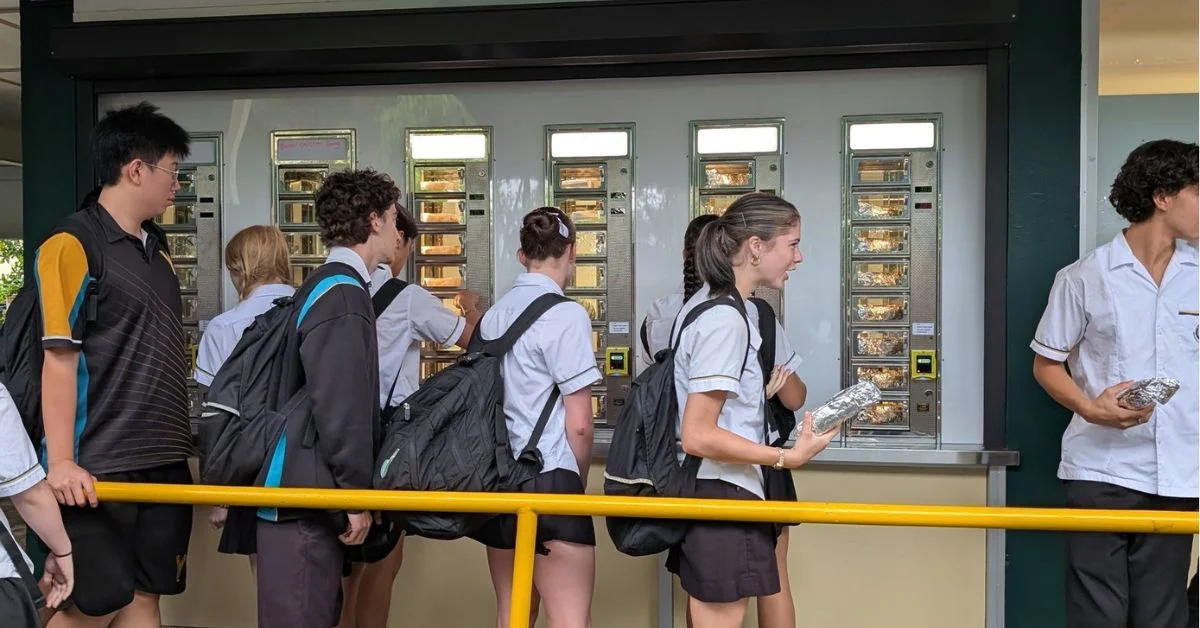
Yeronga State High School has installed hot food vending machines at its tuckshop, making it only the second school in Australia to offer the technology to give students access to fresh, hot meals without the wait.


The machines operate alongside the school’s existing tuckshop service, helping ease congestion during busy lunch breaks. Students can now pick up a hot meal quickly and spend more of their break time doing exactly that, rather than standing in queues. The initiative reflects a broader push at Yeronga SHS to pair quality food with practical, forward-thinking solutions for a school community of around 950 students located just five kilometres from the Brisbane CBD.

A Tuckshop That Already Goes Above and Beyond

The vending machines build on what is already a well-regarded tuckshop operation at Yeronga SHS. The school’s tuckshop team prepares fresh lunches daily and has earned a reputation among students and families for personalised, friendly service, with staff who know students by name. Orders for hot food are placed in advance through the Qkr! app by 8:30am each school day, a system the school introduced to reduce food waste and streamline service. The new vending machines add a complementary option for students who may not have ordered ahead or who simply want a fast, convenient alternative during the school day.

The tuckshop also moved to online ordering for hot food to cut down on waste, a decision that reflects the same practical, sustainability-minded thinking that sits behind the vending machine rollout.

Innovative Technology in a Diverse School Community

Yeronga State High School opened in January 1960 and has grown into one of Brisbane’s most culturally diverse secondary schools, with students from a wide range of backgrounds. The school offers specialist academies in STEM, the arts, athletics and Spanish, alongside strong academic and vocational pathways. That culture of innovation extends to how the school supports students day to day, and the hot food vending machines sit squarely within that ethos.

Hot food vending machines remain rare in Australian schools. While cold snack and drink machines have become increasingly common on school campuses over the past decade, technology capable of dispensing genuinely fresh, hot meals is a different proposition entirely. The distinction matters for parents and students alike, particularly at a school where lunchtime nutrition supports a full afternoon of learning.

What It Means for Students and Families

For the Yeronga and Annerley community, the new machines offer a practical benefit on busy school mornings when packing lunch or placing an app order before 8:30am does not always happen. Students can access a hot, freshly prepared meal directly from the machine, quickly and independently, and still have time to enjoy the rest of their break.

Families wanting to learn more about the tuckshop, including the Qkr! app ordering system and the full menu, can visit the Yeronga SHS tuckshop page at yerongashs.eq.edu.au or contact the tuckshop convenor on (07) 3249 1416.


Published 23-February-2026.

Annerley College Captains Announced For 2026 At Our Lady’s College

Two students at Our Lady’s College in Annerley have been appointed as College Captains for 2026, joining a broader cohort of student leaders named across Brisbane Catholic Education schools.


Annerley Representation At Our Lady’s College

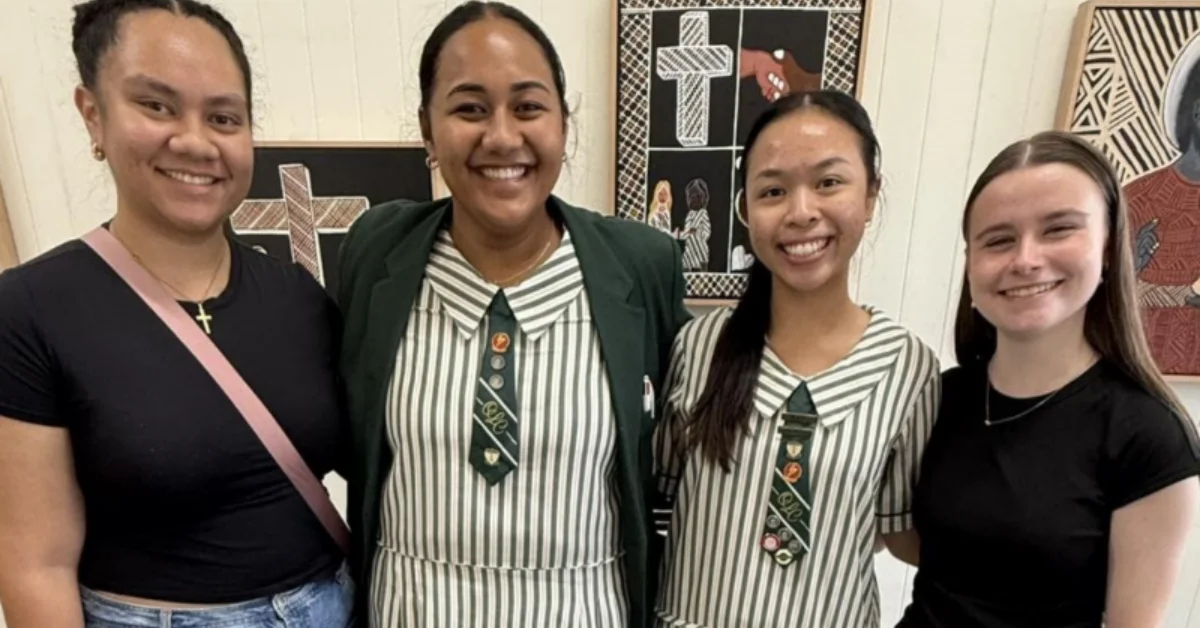
At Our Lady’s College, Annerley, Isabella and Melesisi have been named as College Captains for 2026.

Our Lady’s College is a girls’ secondary school catering for students in Years 7 to 12. The college operates under the motto Ad Altiora, meaning “Ever Higher”, which reflects its stated commitment to encouraging students to pursue their potential.

The college outlines a contemporary, evidence-informed approach to teaching and learning. Its framework includes the development of critical thinking, communication, collaboration and creativity, alongside spirituality, self-awareness and wellbeing.

2026 Leadership Appointments Across BCE

Brisbane Catholic Education confirmed its 2026 College Captain appointments on 11 February 2026, naming 86 captains across its 146 schools in South East Queensland. The announcement coincides with the start of the 2026 school year.

The captains represent secondary colleges and Prep to Year 12 schools within the network. The leadership roles involve guiding peers, mentoring younger students and supporting the values associated with Catholic education within each school community.

Annerley College Captains
Photo Credit: Brisbane Catholic Education

Role Of College Captains In 2026

Across Brisbane Catholic Education schools, College Captains take on representative responsibilities within their campuses. These can include acting as student voices, fostering connections within the school community and modelling service-based leadership.

At the Annerley campus, the appointments position Isabella and Melesisi as the senior student representatives for the 2026 school year.


As the academic year progresses, the Annerley College Captains will carry out their leadership duties within the school’s established student leadership structure.

Published 19-Feb-2026

No Inspections, No Worries: Crumbling Swansea Street Home Heads to Auction

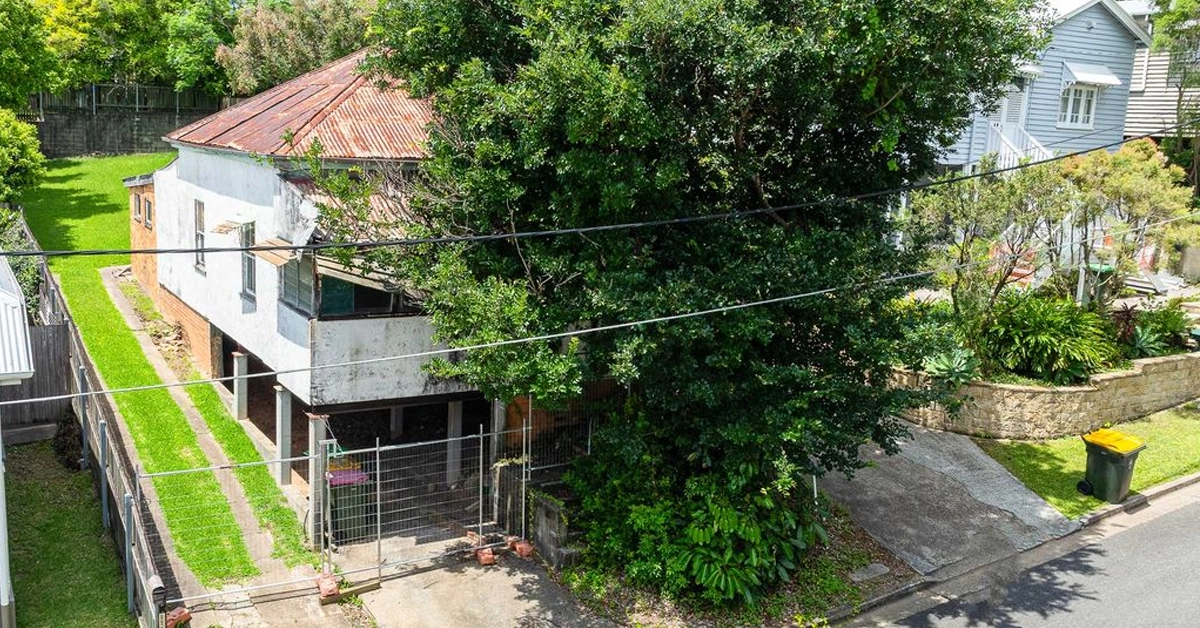
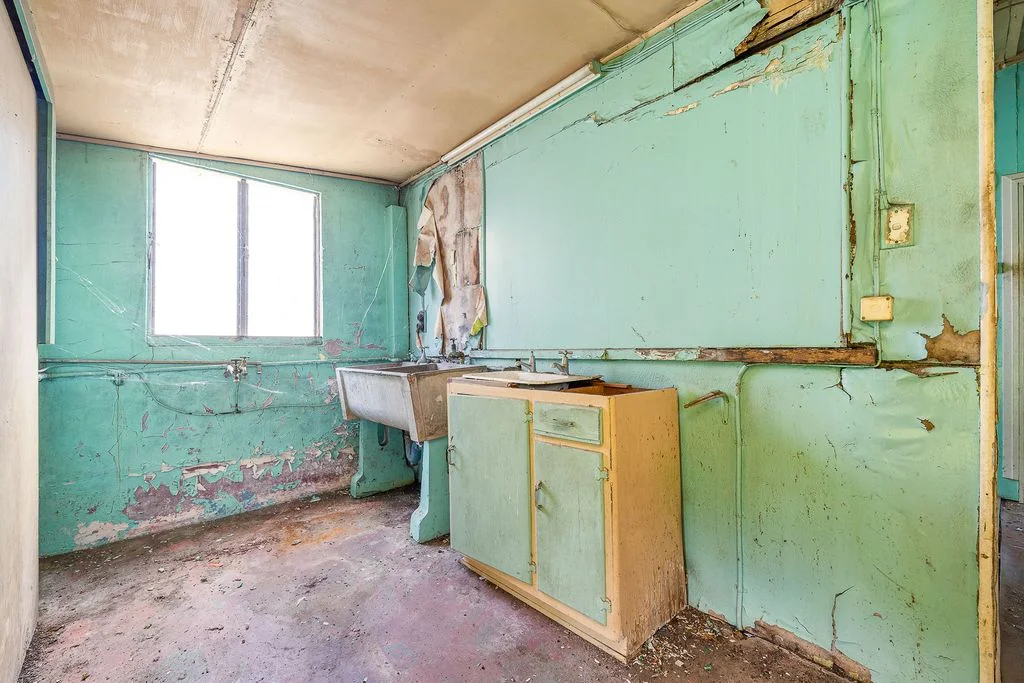
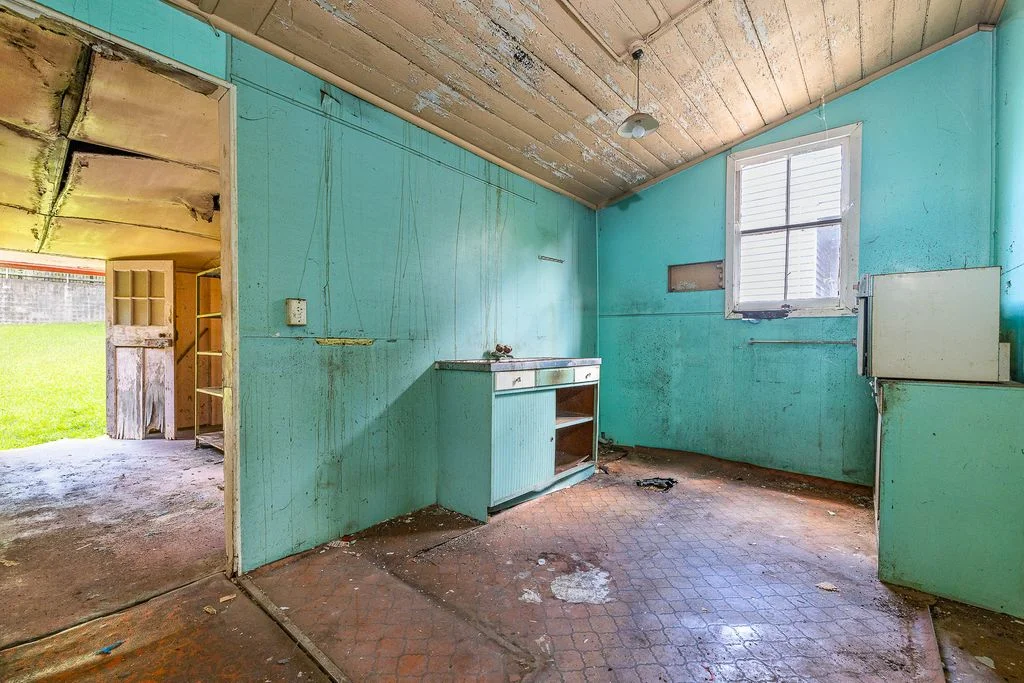
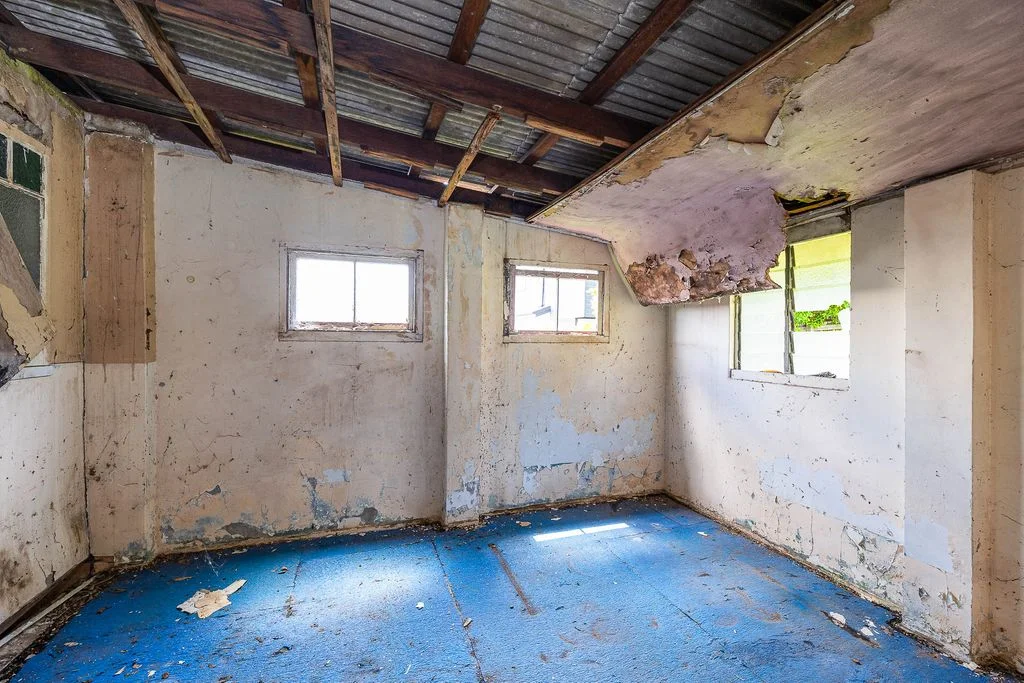
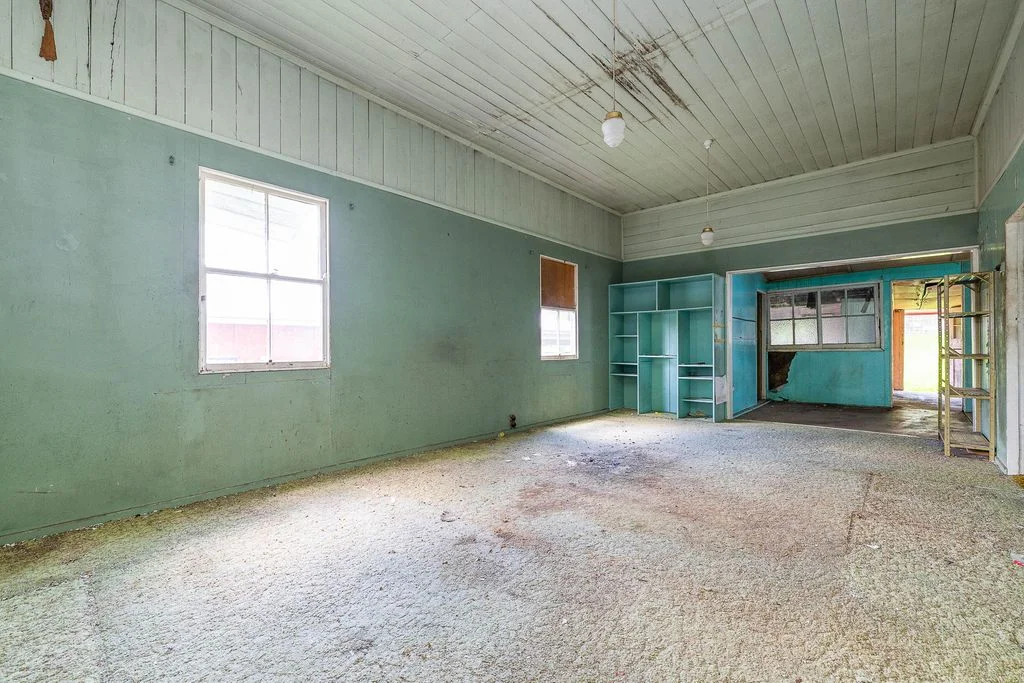
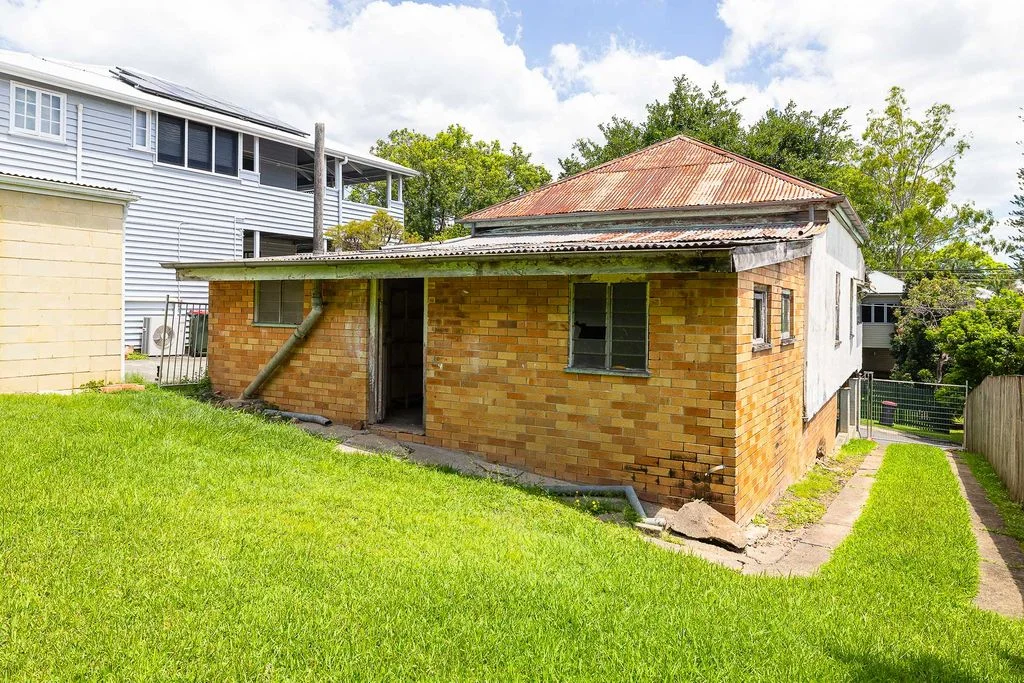
A crumbling post-war house on Swansea Street that no one has been inside in some time — at least not safely — is set to go under the hammer this Friday, drawing interest from builders, renovators, and families hoping to plant roots in one of Brisbane’s most sought-after inner-south suburbs.


Photo Credit: The Public Trustee of Queensland

The three-bedroom home at 8 Swansea Street, Annerley, was built around 1946 and is being auctioned by the Queensland Public Trustee (QPT) on Friday, 13 February at 12.30pm on site. The auction is unusual even by QPT standards: prospective buyers are barred from stepping inside, with the property’s condition deemed too hazardous for internal inspections. A disclosure document outlines a range of structural concerns that buyers are advised to investigate independently before signing any contract.

Photo Credit: The Public Trustee of Queensland

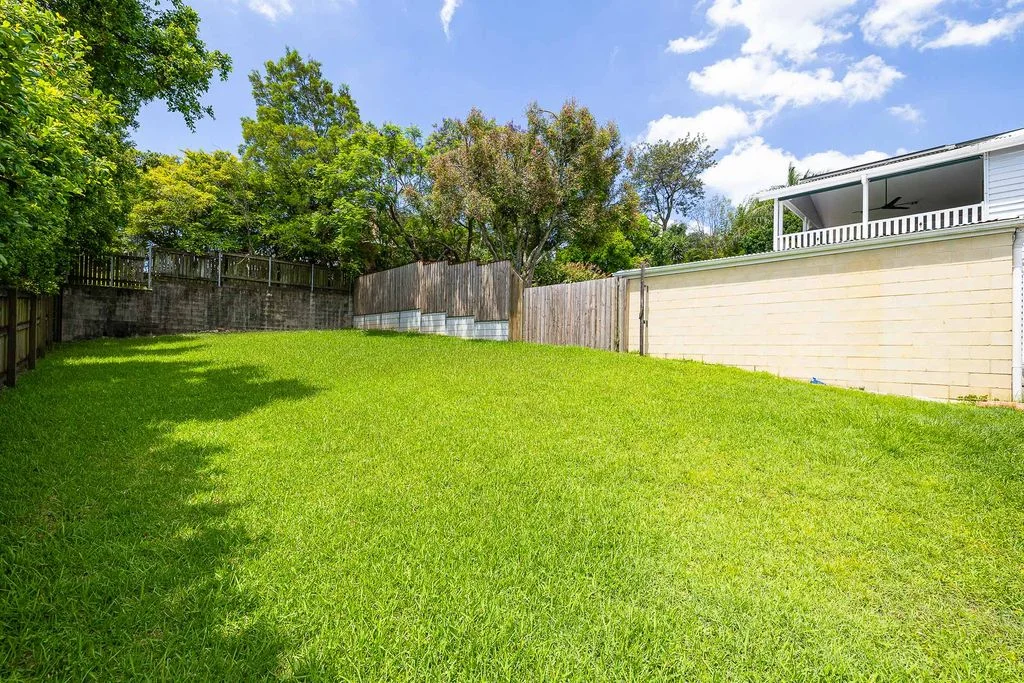
Despite that, the 405-square-metre block — zoned low-medium density residential, with a frontage of roughly 10.29 metres and a depth of around 40.25 metres — is attracting genuine buyer attention. In its current configuration the home includes a forward sunroom, three bedrooms, a combined meals and family area, kitchen, laundry, bathroom, toilet, and a single carport.

Photographs of the property reveal an exterior largely hidden behind overgrown vegetation. Strikingly, though, the backyard lawn is in pristine condition — an incongruous patch of green against the otherwise battered façade.

Photo Credit: The Public Trustee of Queensland

Principal auctioneer Paul Gaffney, who manages the listing for QPT, says that selling sight unseen is a measure of absolute last resort — but that it rarely deters serious buyers. He describes QPT’s buyer pool as genuinely diverse, ranging from tradies with utes full of tools to mum-and-dad renovators and families looking for a long-term home, with one thing in common: they are all after a property they can add significant value to.

Gaffney also points to the property’s location as a major drawcard. Swansea Street sits roughly a four-minute drive or 12-minute walk from Fairfield Station, offering regular train services directly into the Brisbane CBD, with plenty of local cafés, restaurants and businesses nearby along the Ipswich Road corridor.

Photo Credit: The Public Trustee of Queensland

There are no heritage overlays on the property, meaning buyers have flexibility in how they approach any future works or redevelopment. The suburb’s median house price currently sits at $1.3 million, based on 112 house sales over the past 12 months. Annual capital growth for houses in Annerley currently stands at around 5.6 per cent.

Photo Credit: The Public Trustee of Queensland

The source article cited five-year growth of 75.3 per cent, a figure consistent with broader Brisbane trends. Brisbane dwelling values have surged around 82.5 per cent over the past five years, according to CoreLogic research director Tim Lawless.

Photo Credit: The Public Trustee of Queensland

The Queensland Public Trustee administers more than 2,200 estates each year, selling properties as directed under a person’s will, on behalf of beneficiaries, or where someone has died intestate. Properties managed by QPT are sold as-is, with buyers taking on the property in whatever condition it is found.


For anyone keen to have a look before Friday’s auction, the exterior is viewable from the street. The auction contract and disclosure statement are available by submitting an enquiry through the QPT real estate website.

Published 10-February-2026

Princess Alexandra Hospital Police Beat Marks 20 Years Since Groundbreaking Launch

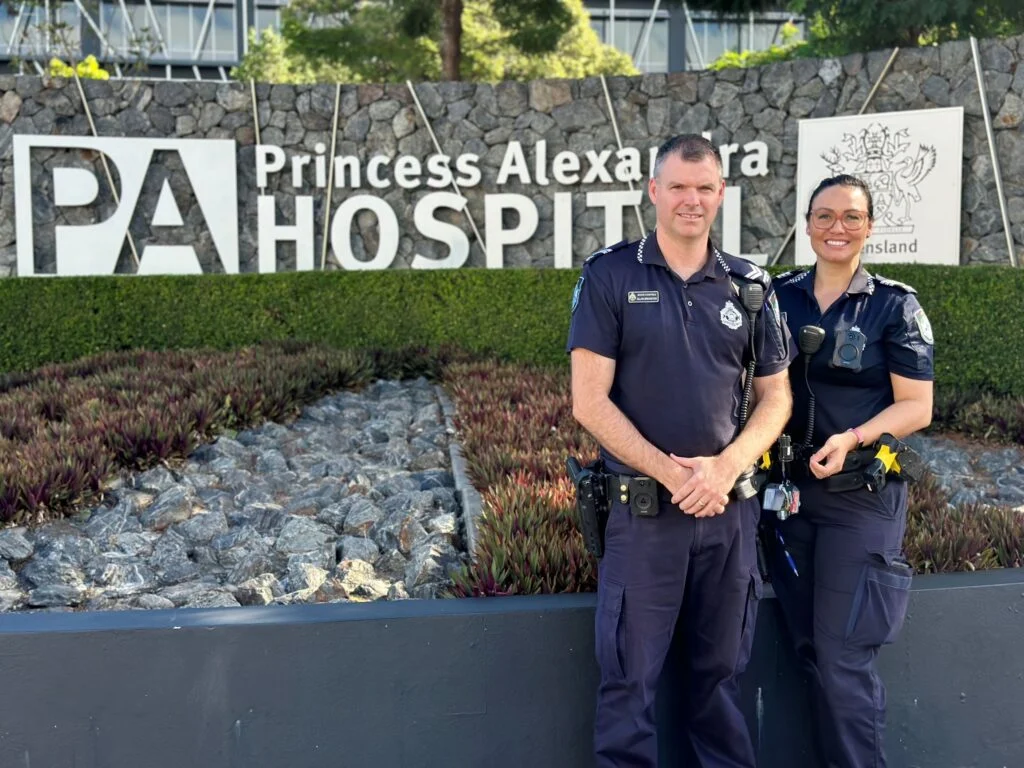
Princess Alexandra Hospital is marking 20 years since the launch of its on-site police beat, a first-of-its-kind initiative that reshaped how police and hospitals work together in Queensland.


The PA Hospital Police Beat started as a trial in November 2005 to handle the steady flow of road trauma and assault cases coming through the emergency department. The idea was simple: having police permanently stationed at the hospital would speed up response times for patient needs, investigations, coronial matters and criminal cases.

Twenty years later, the model has proven successful enough that Logan Hospital and Royal Brisbane and Women’s Hospital both established their own campus police beats in 2025.

How It Works

The team has grown from its initial trial size to six police officers plus an administration officer. This allows better coverage for calls within the hospital, particularly in the emergency department where occupational violence and aggressive patients can create unpredictable situations.

Acting Sergeant Simone Beckett, who has worked at the beat for five and a half years, says demand for police services at the hospital has steadily increased over the past 20 years. The focus remains on partnership and efficiency between two large government organisations with different priorities.

PA Hospital Police Beat
Photo Credit: QPS

The officers handle coronial and information requests, work with social workers and intensive care staff, and deal with mental health presentations involving police. They’ve also built strong relationships with Metro South Health’s legal team and the Information Access Unit to ensure evidence gets collected quickly for court proceedings.

Beyond immediate police work, the police beat runs education sessions for nursing and medical staff, participates in community activities on campus, and collaborates on research projects about acute injuries from e-transport devices.

Why It Matters

Having police permanently based at a major hospital addresses a practical problem. Emergency departments regularly see patients who are victims or perpetrators of crime, and investigations often need to happen quickly while evidence is still fresh and witnesses are available.

The model bridges the gap between healthcare and law enforcement, allowing faster responses without pulling police away from other duties across the city. Staff at PA Hospital’s emergency department have developed what Beckett describes as an exceptional working relationship with the police team given the dynamic environment they share.

What This Means For Annerley and Woolloongabba

Princess Alexandra Hospital sits on the border of Annerley and Woolloongabba, serving as the major trauma centre for Brisbane’s southside and beyond. The police beat contributes to safety both within the hospital and in the surrounding community.

Princess Alexandra Hospital
Photo Credit: Motion Blue Media / Google Maps

The team’s work extends beyond just responding to incidents. By maintaining a visible presence and building relationships with hospital staff, they help prevent problems before they escalate and ensure victims of crime get appropriate support.

The 20-year milestone recognises several long-serving team members. Founding Sergeant Chris Hale dedicated 17 years to the PA Police Beat. Administration Officer Upali Vithana retired in January 2026 after serving all 20 years with the team. Acting Sergeant Simone Beckett is now the longest-serving current member.

The success of the model shows how collaboration between health services and police can improve both patient care and community safety when organisations work through their different priorities to focus on shared goals.


Published 5-February-2026.

Suspicious Powder Prompts Emergency Response in Denham Street

Emergency services conducted three controlled detonations in Denham Street on Friday afternoon after discovering suspicious powder at a vacant residential property.


The Queensland Police bomb squad, supported by Queensland Fire Department officers, carried out the explosions at 4pm, 4.11pm and 4.20pm as part of an operation that had been underway since Thursday.

Local residents received advance warning about the detonations, with authorities informing neighbours they would hear loud noises that could shake nearby homes. Sirens sounded before each controlled explosion to alert the community.

Police confirmed they had located suspicious powder inside the residence, which necessitated the controlled disposal through detonation. Following the operation, authorities assured residents that no further detonations were planned and there was no ongoing threat to public safety.

According to a local resident who spoke to media, the property has been vacant for approximately 18 months since the owner relocated to a retirement home. The resident noted that family members had been gradually clearing belongings from the property over the past year.

“The bomb squad were here yesterday afternoon with the robot, but they didn’t tell us they were going to detonate until about 3pm today,” the neighbour said.

The nature of the suspicious powder and the circumstances of its discovery have not been disclosed by police. No injuries were reported during the operation.


Residents in the immediate area were able to return to their normal routines following confirmation from authorities that the situation had been resolved safely.

Published 12-December-2025

Calls Grow to Lower Annerley Road’s 60 km/h Speed Limit After Dozens of Crashes

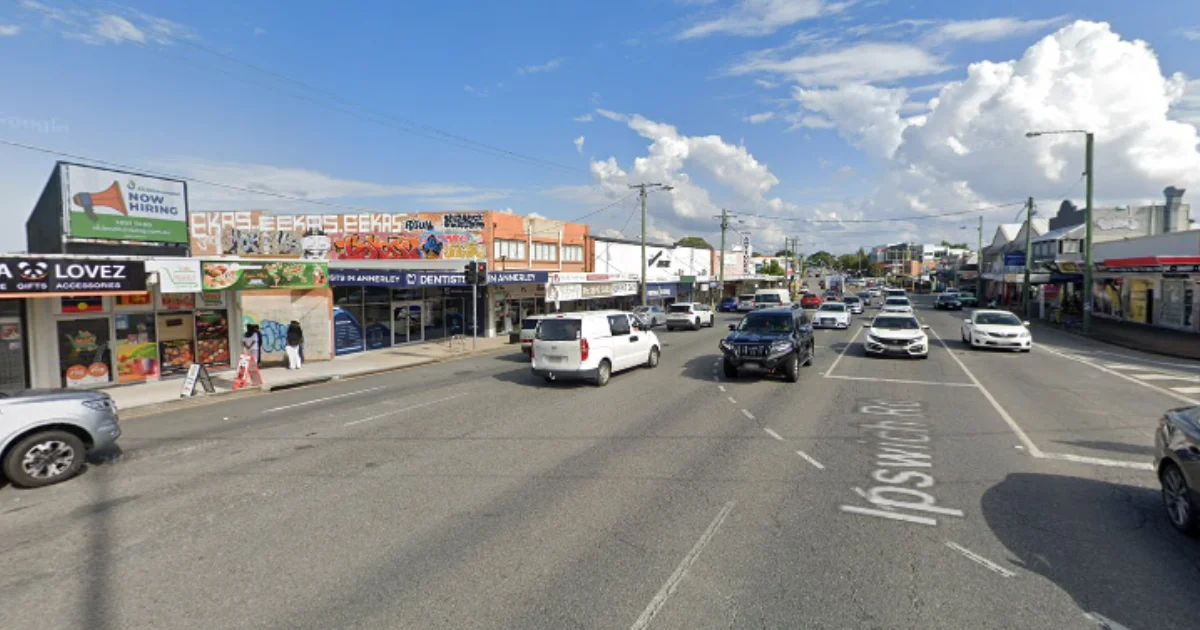
Annerley Road has a posted 60 km/h speed limit, despite a string of crashes recorded over the past five years. Between 2019 and 2024 there were 43 reported crashes along the route, which runs between Dutton Park through Annerley towards Fairfield. 


Read: Annerley Road Speed Limit Review Sought by Residents


In some sections the road narrows to a single lane in each direction and is lined with driveways, bus stops and shops. Many residents and parents say the speed feels out of step with the area’s suburban character and local pedestrian and cycle traffic.

Photo credit: Google Street View

Traffic monitoring data from Brisbane in March 2024 showed average weekday speeds along parts of the road ranged between 37.8 km/h and 45.4 km/h—well below the 60 km/h speed limit. Yet despite the crash history and observed driver behaviour, there is no formal speed-limit review currently under way for Annerley Road.

By comparison, Ipswich Road, which connects to Annerley Road, had its limit reduced to 50 km/h in 2020–21 after community requests and a formal review. Gladstone Road was also reduced to 50 km/h after a speed-limit review prompted by local concerns. Annerley Road, however, remains an exception.

BCC is conducting a study to investigate potential future active-travel design options for the corridor, but this project is not a formal speed-limit review. Any change to the posted limit would require further assessment and sign-off by Council, the Queensland Government and the police.

Residents Push for Safer Design

Photo credit: Google Street View

As part of the study, community feedback gathered via an online interactive map revealed strong local concern. Residents called for more pedestrian crossings, removal of slip lanes, protected bike lanes and traffic-calming measures to prevent rat-running through side streets. 

Several noted that crossing between Ipswich Road and Annerley Road can take multiple traffic-light cycles and is difficult for older pedestrians or those with mobility challenges. Some reported cars preparing to turn queue across crossings at the Fanny Street intersection when pedestrian lights turn green.

Parents participating in local “bike-bus” programs, which help children ride safely to Yeronga, Junction Park and Dutton Park state schools, say the current road design and high speed limit make independent cycling impossible for younger riders. Organisers say the community-led rides have helped build children’s confidence on bikes, but they stress infrastructure and lower speeds are key to long-term safety.

Broader Push for Lower Urban Speeds

Queensland’s default urban speed limit was reduced to 50 km/h in 1999, a change shown by research to reduce crash severity. Studies by RMIT University and Bicycle Queensland indicate that lowering limits further to 30 km/h on residential streets could significantly improve safety for cyclists and pedestrians while adding only minimal time to car trips. Some Australian cities and local areas, including parts of Melbourne and the Sunshine Coast (Cotton Tree), are trialling or implementing lower-speed zones. 

For advocates in Annerley the examples provide a roadmap. They argue that aligning Annerley Road with neighbouring corridors would not only save lives but also encourage more people to walk or cycle.


Read: Confusing Annerley Road Sign to Be Rectified After 2 Years


A Road Waiting for Change

While Brisbane continues to gather data and community feedback, residents say they hope Annerley Road’s future will reflect its changing character, prioritising safety over speed. Until any change is approved, the 60 km/h signs remain in place on a road that residents say is not yet designed to comfortably accommodate prams, school groups and cyclists.

Published 24-October-2025