



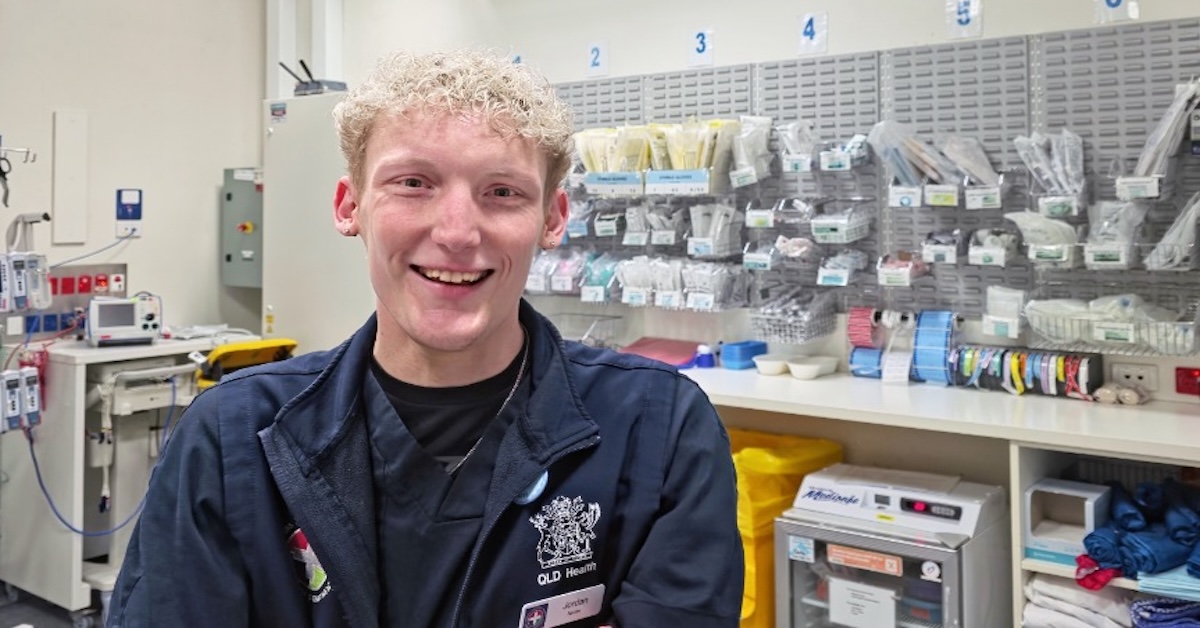
Princess Alexandra Hospital (PA Hospital) is a cornerstone of healthcare in Brisbane’s inner south, employing more than 6,000 staff. For Emergency Department nurse Jordan Bate, however, the institution holds a deeper personal significance: he received a life-changing liver transplant there at 16.
A Childhood Shaped by Alagille Syndrome
Jordan was diagnosed early in life with Alagille syndrome, a rare genetic disorder affecting the liver, heart, kidneys, and bones. His childhood was marked by brittle bones—leading to severe fractures from minor steps—alongside persistent nausea, lethargy, and sleep disruption.

By age 14, the relentless disruption to his education and daily life prompted Jordan to ask his paediatrician about a liver transplant to improve his quality of life.
The Turning Point
After a 22-month wait on the transplant list, a 16-year-old Jordan received the call in the early hours of the morning.
While the surgery was successful, his post-operative journey was far from simple. Jordan experienced a rare transplant complication during a long recovery at PA Hospital. At one stage, he feared he might not survive.
During his treatment, the compassionate care and dedication of the nursing staff not only guided him through his recovery, but also inspired him to abandon his plans of becoming a performing arts teacher to pursue a career in nursing instead.
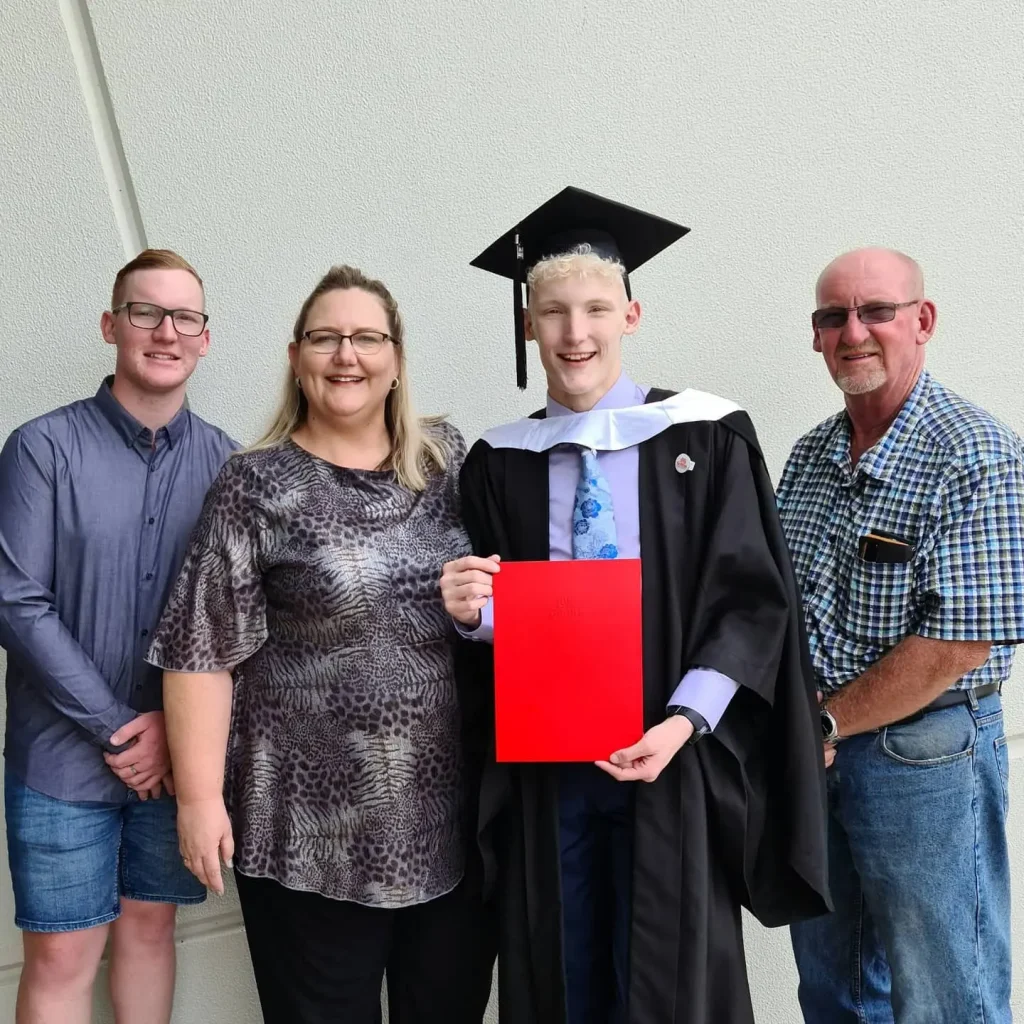
Full Circle in Emergency Care
Jordan later returned to PA Hospital as a nurse in the Emergency Department. In 2026, he marked 10 years with his transplanted liver.
His personal history forms part of a larger legacy at PA Hospital, home to the Queensland Liver Transplant Service. In 2025, the hospital marked 40 years of liver transplantation, having performed more than 1,700 life-saving procedures over four decades.
Jordan has said that before his transplant, he could not plan for the future. The donation allowed him to imagine what might come next, and he later pursued a career in nursing.
The Legacy of Organ Donation
Jordan’s recovery reflects the critical role of organ donors and their families across Australia.

National statistics highlight the ongoing demand. In 2025, 557 deceased organ donors saved or improved the lives of 1,438 Australians. Currently, approximately 2,000 Australians remain on the organ waitlist, with thousands more receiving dialysis treatment.
DonateLife encourages Australians aged 16 and over to spend one minute registering their decision on the Australian Organ Donor Register and to discuss their wishes with family members.

Today, Jordan continues to care for patients at the same hospital that gave him a second chance—living out a future once thought unimaginable.
Published 30-July-2026