


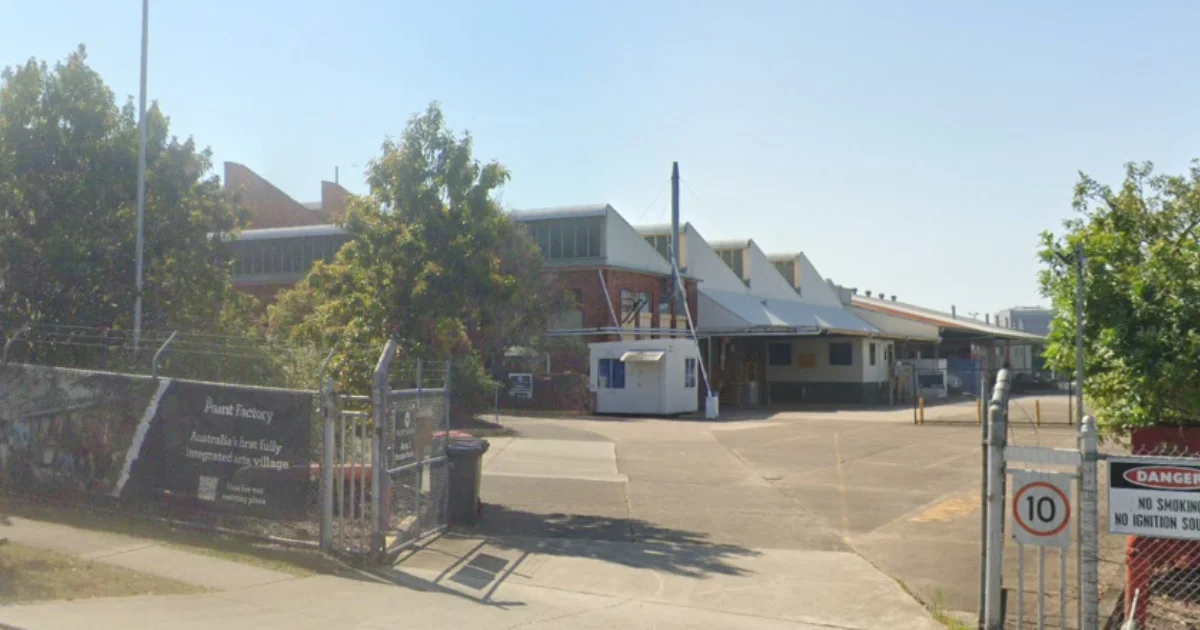
Noise and Odour Warnings as Paint Factory Site Redevelopment Moves Ahead

A major redevelopment of the old Taubmans paint factory site in Yeronga could soon pave the way for hundreds of new apartments, cultural spaces, and lifestyle facilities on the 34,000-sqm block.


Read: Arts Village Redevelopment Approved in Yeronga


The approval means the industrial property on Hyde Road , which has been vacant since the factory shut a decade ago and later became a popular arts hub, will soon be transformed into a mixed-use precinct. 
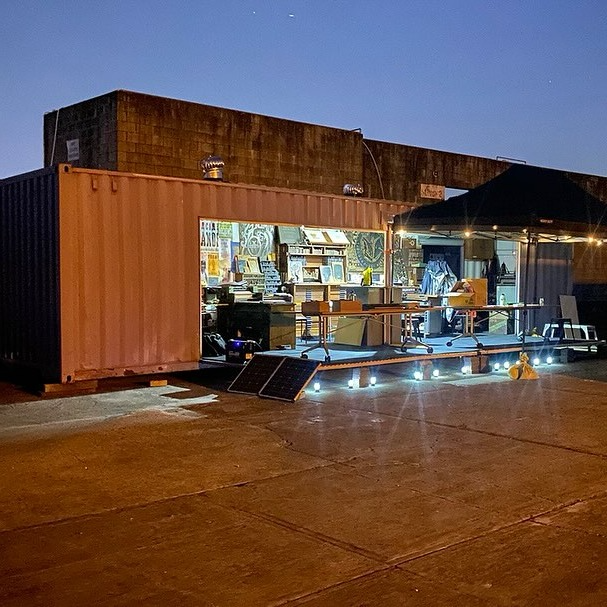
Paint Factory site
Photo credit: The Paint Factory Yeronga/Facebook

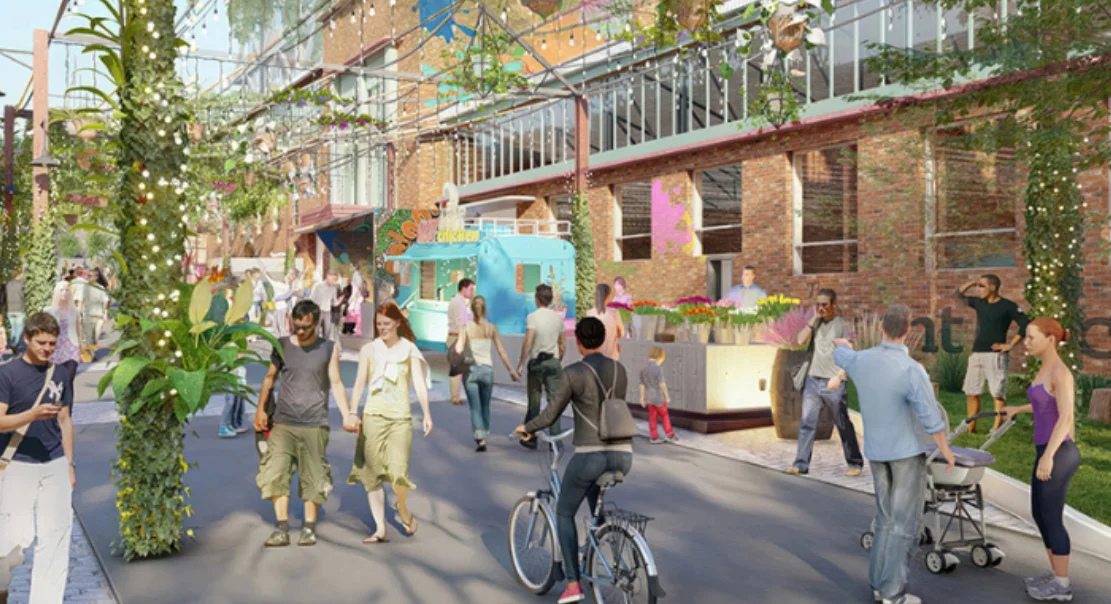
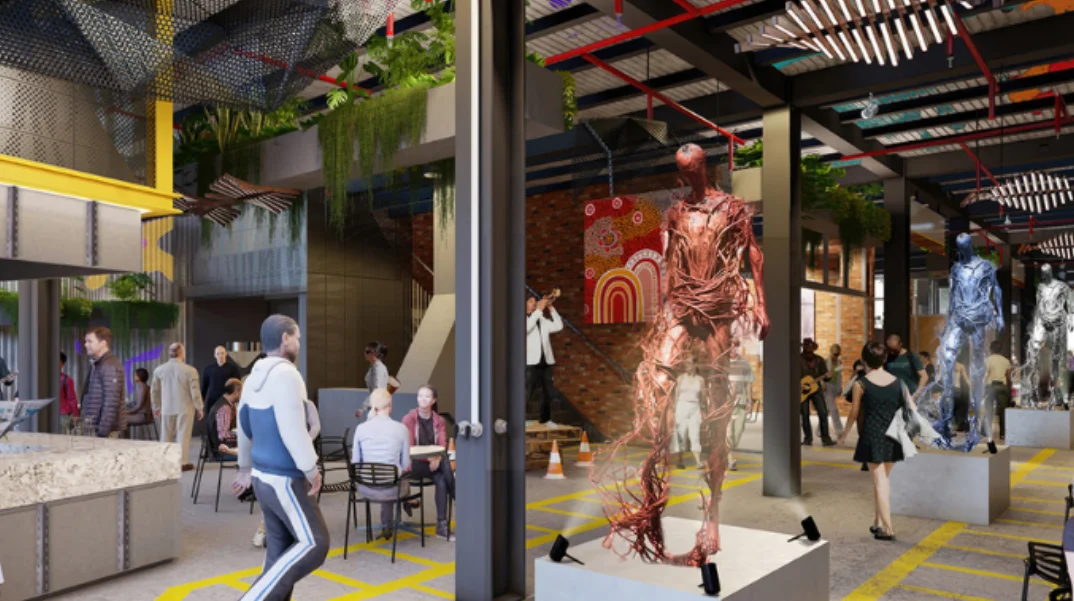
Plans for the former Paint factory site include residential towers rising between four and eight storeys, food and drink outlets, galleries, a theatre, and what has been promoted as the nation’s first fully integrated arts village. Longer-term stages may add markets, health services, a microbrewery, hardware and entertainment venues.
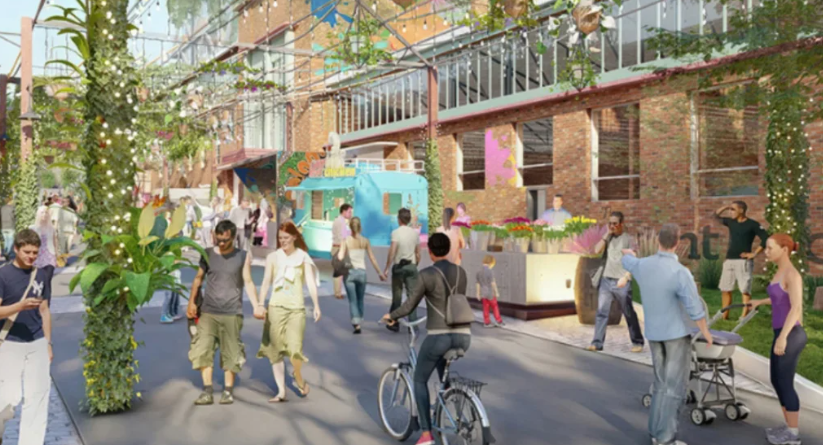
Photo Credit: The Paint Factory

Future residents, however, will be required to accept the realities of the site’s location. The land sits near the Fairfield wastewater treatment plant and several major sporting fields at Goodwin, Leyshon and Fehlberg parks. Conditions of approval stipulate that buyers and tenants must be informed of potential odours, noise from matches, evening floodlights and large weekend crowds. A 240-metre buffer will separate the new community from these neighbouring facilities.

The proposal has been one of the most contentious development debates in Brisbane’s southside, attracting 638 public submissions. Around half opposed the plan, citing fears of overdevelopment, increased building heights in the future, and impacts on sporting clubs already facing noise complaints. Supporters argued the project represents much-needed urban renewal, new housing supply and economic opportunities for the suburb.
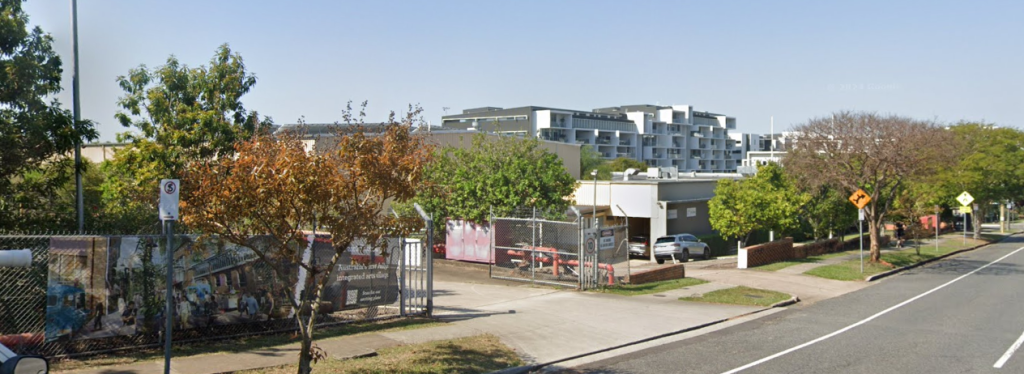
Paint Factory site
Photo credit: Google Street View

The site’s transformation will not happen overnight. Developers estimate construction could span a decade, with the first stage focusing on food outlets, arts spaces and entertainment facilities. Flood-prone sections of the property will remain undeveloped, with landscaped open space included to soften impacts on neighbours.

Brisbane officials described the paint factory project as part of a broader strategy to repurpose ageing industrial land into modern, multi-use communities. While some residents remain wary, backers see it as a chance to revitalise Yeronga much like the renewal of precincts in New Farm and West End.


Read: Old Taubmans Paint Factory in Yeronga to be Reborn as ‘The Paint Factory Arts Village’


Published 18-September-2025

Petition Pushes for Safer Road Crossing at Mackenzie Place Park in Annerley

A local resident has launched an e-petition calling for urgent safety upgrades at Mackenzie Place Park in Annerley, where locals say crossing the road remains dangerous despite the area’s popularity with families.


Read: Then and Now: Waldheim, the Stephen Family’s Homestead in Annerley


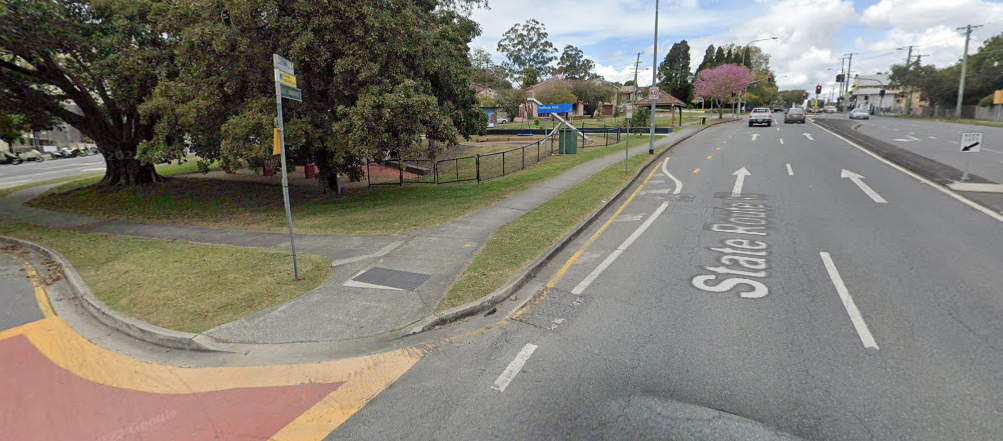
The petition, now with 87 signatures, argues that Sarah Street, which separates the park from nearby shops and cafes, poses a daily risk for children, parents with prams, and older residents trying to access the playground. 

Photo credit: Google Street View

Supporters said the stretch of road is particularly unsafe because of parked cars blocking sight lines, the absence of kerb ramps for wheelchairs and scooters, and cars often travelling well above the 50 km/h speed limit.

Alternative routes to reach the park involve crossing up to three separate roads, with no traffic lights or zebra crossings, leaving many pedestrians to take the most direct but unsafe option – walking across Sarah Street outside the popular Billykart Kitchen.

The petition calls on Brisbane’s local officials to consider two main options for a safer connection. One is the installation of a raised “wombat crossing” built into a speed hump, which would lower traffic speeds and prioritise pedestrians. The other is creating a “shared zone” between Eric Crescent Park and Clifton Street, where vehicles are restricted to 30 km/h and paving signals pedestrian priority.

Mackenzie Place Park
Photo credit: Google Street View

Residents backing the move say the issue goes beyond safety, arguing that a well-designed crossing could also enhance the precinct. Linking the upgraded playground with Billykart and nearby businesses would provide a more attractive community space, encouraging families to linger and boosting local trade.

Concerns about the possible loss of parking are addressed in the petition, which notes that disability bays, bus zones and short-term customer parking could remain in place. It also argues that weekend church crowds would still have ample parking within easy walking distance.


Read: The Beginnings of Collins Estate, the ‘Most Cheerful’ Address in Annerley


The petition closes on 4 January 2026. Locals say that with the playground already drawing strong community use, the next step should be making sure everyone can reach it safely and with less stress.

Published 17-September-2025

Princess Alexandra Hospital Turns Food Waste Into Fertiliser, Saving $50,000 a Year

Princess Alexandra Hospital is showing how a major hospital can cut down food waste, saving money and helping the community by turning leftovers into fertiliser instead of landfill.


Hospitals Facing a Food Waste Challenge

Research from End Food Waste Australia shows that almost half of hospital waste is food, with about 30 per cent of meals never eaten. Nathan Cook from the University of Queensland said staff face the challenge of reducing waste while still meeting patients’ nutritional needs. 

He noted that large-scale meal production often results in excess, especially for older patients who eat smaller portions. Some Brisbane hospitals are trialling room service systems, cutting food waste by 15 to 30 per cent.

What Princess Alexandra Hospital Is Doing Differently

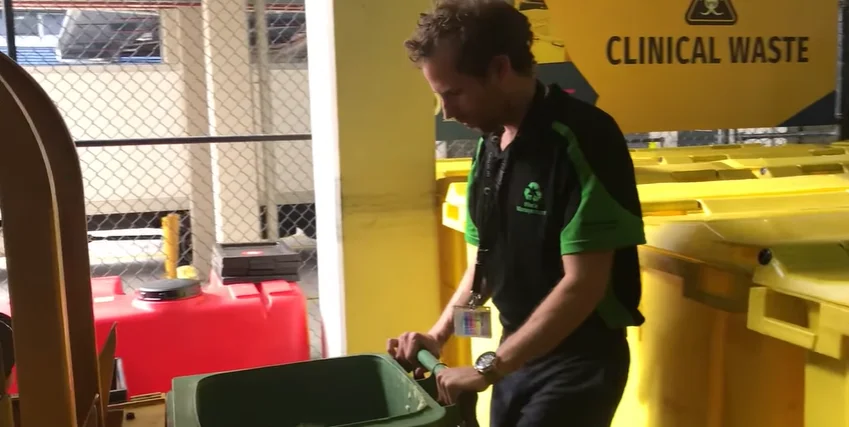
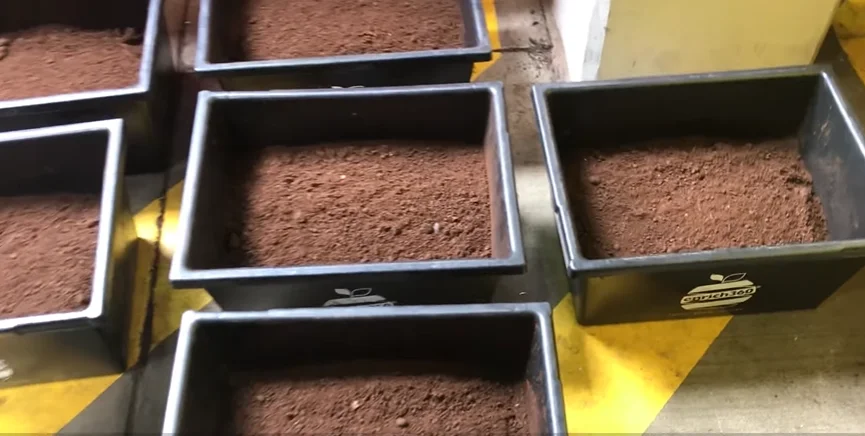
Since March 2020, Princess Alexandra Hospital in Brisbane has used a food waste dehydrator that processes nearly three tonnes of scraps each week, saving about $50,000 annually. The system produces fertiliser for hospital gardens, patient projects, and local social enterprises. 

Instead of sending waste to landfill, the hospital donates or sells the product through the Princess Alexandra Foundation to support sustainability efforts. By diverting waste, the hospital reduces emissions and creates direct benefits for patients and the wider community.

A Growing Push Across the Sector

While Princess Alexandra Hospital has taken the lead, many other facilities still send food waste to landfill. Research by Nathan Cook found more than 80 hospitals worldwide, including up to 20 in Australia, are beginning to divert waste into composting, energy recovery, or donation programs. 

The Hospital and Aged Care Sector Action Plan from the End Food Waste Cooperative Research Centre urges more providers to adopt measures like on-demand meal ordering and food recovery partnerships. It also calls for government support through grants and infrastructure to expand these efforts.

Community Impact

The example of Princess Alexandra Hospital shows how a large public facility can rethink food waste and deliver benefits beyond its walls. Patients, staff, and local groups now share the gains through healthier gardens, reduced landfill, and new funding for projects. 


With thousands of meals served daily in hospitals and aged care, these lessons highlight a pathway toward more sustainable models. The Brisbane hospital’s experience may help guide similar efforts across Queensland and the nation.

Dutton Park Hub Part of Plan to Remake Brisbane River Experience

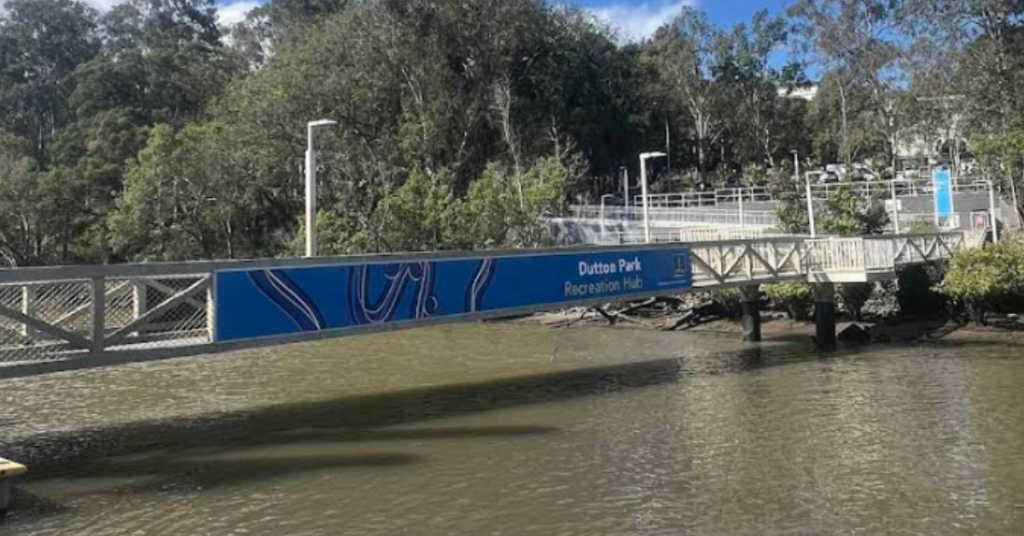
The Brisbane River experience is set for its biggest shake-up in decades, with plans to open public pontoons, including the one at Dutton Park, for new water taxi services, on-water dining, and adventure tours.


More to See and Do on the Water

Dutton Park
Photo Credit: Google Maps

A new chapter for life on the Brisbane River is beginning, promising more options for residents and visitors to enjoy the city’s iconic waterway. The plan, announced by city officials this week, is designed to encourage new businesses to operate from the river. This could see the return of familiar floating restaurants like Prawnster and boat-hire companies such as Go Boat to inner-city locations. The changes are part of a broader goal to “supercharge” the river and enhance its role in the city’s identity ahead of the 2032 Olympic and Paralympic Games.

Lord Mayor Adrian Schrinner explained that the move is similar to the transformational decision decades ago to allow footpath dining, which reshaped Brisbane’s street life. The aim is to create more fun and adventure on the water, providing a welcome boost for local jobs and tourism. One of the most anticipated outcomes is the potential for private water taxis, which could offer a faster, express-style service between key points along the river, complementing the existing CityCat network.

Local Hubs to See New Activity

At the heart of the plan are eight council-owned recreation hubs that dot the river from the western suburbs to the east. These include pontoons at Dutton Park, Murarrie, Northshore Hamilton, Kingsford Smith Drive, New Farm Park, the City Botanic Gardens, Riverhills, and a hub at West End that is currently closed for repairs.

Until now, these facilities have mostly been used for short-term recreational activities like dropping off passengers or launching kayaks. Under the new licensing system, they will be activated for commercial use while remaining accessible for community enjoyment. The review will focus particularly on the larger hubs at New Farm and the City Botanic Gardens, which are better equipped to handle bigger vessels and more people. The Committee for Brisbane has backed the initiative, noting that while the river’s pathways are well-used, the river itself has largely been limited to small-scale private users.

Balancing Public Access with New Opportunities

Dutton Park
Photo Credit: Google Maps

While the prospect of a more vibrant river has generated excitement, questions have been raised about the execution of the plan and the use of public assets. Some community representatives have expressed concern about the potential privatisation of public pontoons and jetties. Greens Councillor Trina Massey argued that these facilities exist for community use and questioned the council’s motives.

Concerns were also raised by Labor leader Jared Cassidy regarding the council’s track record, pointing to a recent incident where a jet-ski operator at the City Botanic Gardens was given an eviction notice. Officials have since stated that the notice will not be enforced while the new rules are explored. These perspectives highlight the community’s interest in ensuring a balance is struck between encouraging new business investment and preserving public access to the river.


What Happens Next

This is not the first time the idea of activating the river with water taxis and cruises has been explored. Similar proposals were considered as part of the River’s Edge strategy in 2013 and again in 2018 when the river hubs were first delivered. For the current plan to proceed, it will require approval from the state government to make changes to “wet licences,” the official leases required for businesses operating on the water. If approved, the licensing system will be designed to give businesses the certainty they need to invest in bringing new and exciting experiences to the Brisbane River for everyone to enjoy.

Published Date 10-September-2025

Annerley Named Among Brisbane Hotspots for Abandoned Vehicles

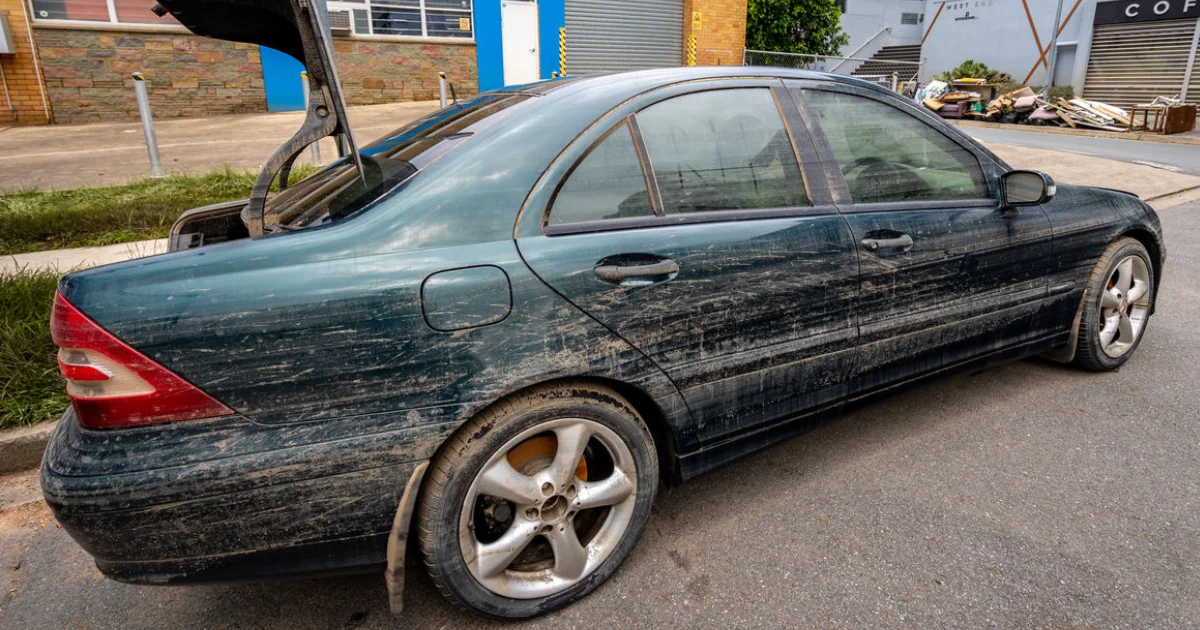
New figures from Brisbane showed Annerley is among the suburbs most affected by abandoned and unregistered vehicles, with thousands of cars left on the streets in the past financial year.


Read: Officeworks Woolloongabba Car Park Named Among Brisbane’s Worst


A total of 10,994 vehicles were removed across the city, with almost half unregistered and more than 4,000 officially deemed abandoned. Annerley joined Coorparoo, New Farm, Moorooka, Nundah, and Sunnybank Hills as suburbs where abandoned cars were most commonly reported.

While tourist towns such as Cairns and the Gold Coast have long dealt with backpackers leaving old vehicles behind, Brisbane has seen the issue grow. In Annerley and neighbouring suburbs, vehicles are often left for weeks in residential streets, creating safety risks and taking up valuable parking space.

Photo credit: Google Street View

The process of removing unregistered vehicles in Brisbane can take more than a month as authorities first attempt to trace owners. In some cases, vehicles are reunited with owners, but many end up impounded and later sold at auction. Logan City Council, for example, recently raised about $100,000 by selling 55 such vehicles.

Airports and private carparks have also been affected. At Brisbane Airport, dozens of vehicles are abandoned annually, often by overseas tourists leaving the country. In the city centre, a car left in a Queen Street Mall shopping centre carpark has accumulated theoretical fees of more than $70,000 since 2022.


Read: Annerley Officer’s Courage Following January Shooting Leads to Major Police Safety Initiative


A vehicle is considered abandoned if it is unregistered and left for more than 24 hours in a short-stay bay or more than seven days in unrestricted parking. Residents are encouraged to report suspicious vehicles by phoning Council on 07 3403 8888 so they can be investigated and removed if necessary.

Published 3-September-2025

Community Programs Strengthen Connections in Annerley

Annerley Community Centre continues to support residents through creative programs, social activities and referral services, strengthening community connections in Annerley.


Background and Context

Annerley Community Service, established in 2012 and part of Community Plus+, operates as a not-for-profit hub supporting residents in Annerley and nearby suburbs. The service is delivered through the Annerley Community Centre, which forms part of a wider network that also includes Yeronga Community Centre and West End Community House. Its focus has been on connecting people, supporting local projects and strengthening resilience across Brisbane’s inner south.

Annerley Community Centre
Photo Credit: AnnerleyCommunityHub/Facebook

Programs and Activities

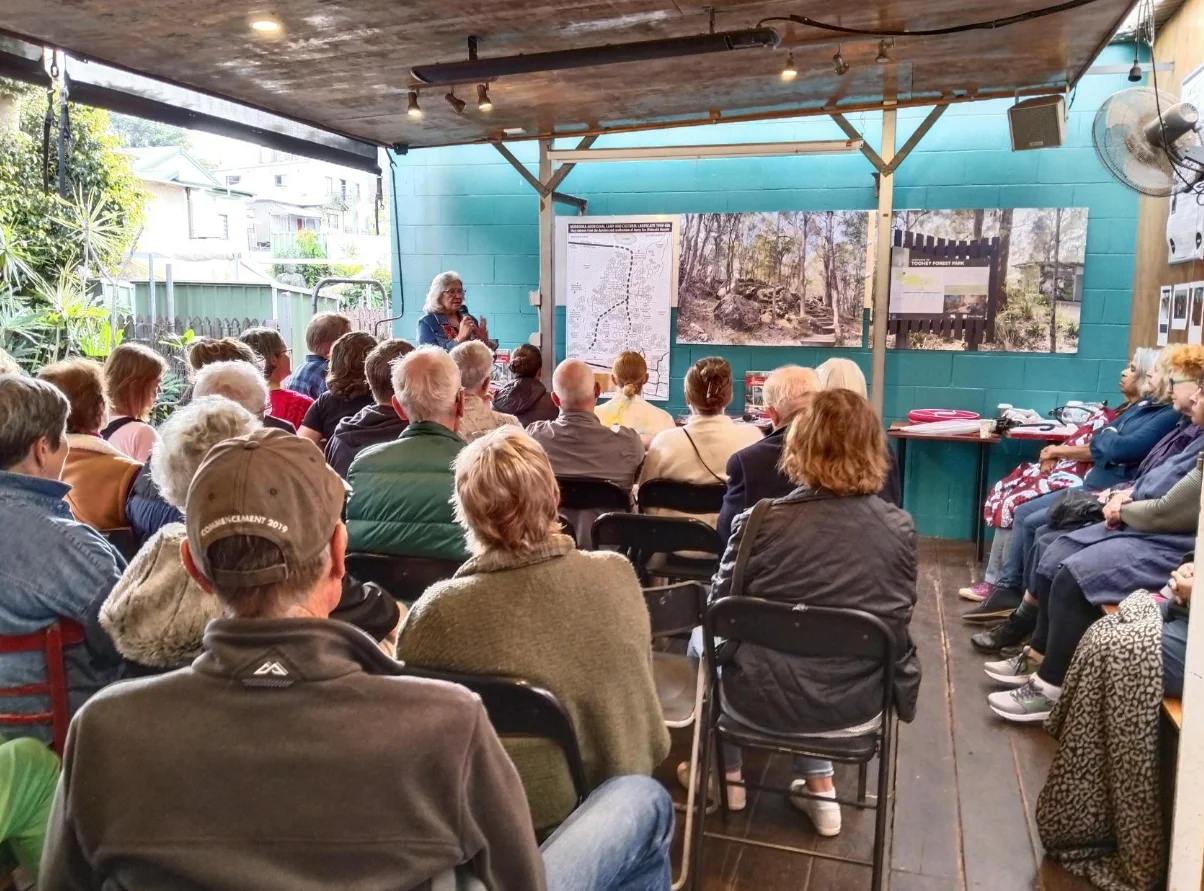
The centre offers information and referral services, legal and technology support, and regular activities designed to encourage participation. Weekly Open House sessions provide access to computers, tea and coffee, and opportunities to discuss community ideas. Ongoing programs include craft and crochet sessions on Tuesdays, an art group on Wednesdays, and jewellery making workshops on Fridays.

In August 2025, the centre hosted activities for Homelessness Week from 4–10 August, aimed at raising awareness and encouraging understanding within the community. The centre also collaborated with Yeronga and West End colleagues to prepare decorations for the Annerley Junction Festival, weaving colourful yarn into handmade pieces reflecting creativity across the centres.

Community Plus+
Photo Credit: AnnerleyCommunityHub/Facebook

Community Plus+ Network

As part of Community Plus+, the Annerley Community Centre contributes to wider programs that address resilience, preparedness and inclusion. This includes assisting flood-affected households in accessing government support grants, providing case management, and connecting residents with financial counselling, housing assistance and legal advice. 

The broader network’s 2023–2026 priorities are building resilient communities, connecting people with opportunities, and strengthening its identity as One Community Plus+. Supporting these priorities are strategies such as providing pathways for inclusion, fostering partnerships and advocacy, and investing in people, practice and systems.

Outlook


With its regular programs, creative workshops and community events, Annerley Community Centre remains an active hub for local residents. Its role within the Community Plus+ network ensures ongoing support, resilience-building and opportunities for people across Annerley and neighbouring suburbs.

Published 3-Sep-2025

Arts Village Redevelopment Approved in Yeronga

The former Taubmans paint factory site in Yeronga will be transformed into Australia’s first fully integrated arts village after receiving planning approval.


Background and Site History

The Taubmans paint manufacturing plant at 115 Hyde Road, Yeronga, ceased operations in 2015. Since then, the 34,000-square-metre site has remained unused until plans were lodged to repurpose the land into a mixed-use arts and residential precinct.

Yeronga arts village
Photo Credit: The Paint Factory

Masterplan Approval

On 27 August 2025, BCC approved the masterplan to redevelop the location into what is being described as Australia’s first integrated arts village. The redevelopment will feature buildings ranging from four storeys near Hyde Road to eight storeys within the centre of the precinct.

Planned Facilities and Features

The first stage will incorporate food and drink outlets, art spaces, a theatre, and an escape room. In total, the site’s transformation could include markets, community health services, a garden centre, hardware retail, and a mix of residential buildings. Five residential structures are proposed, paving the way for hundreds of new homes.

Parking facilities for the initial stage will include 64 formal spaces for visitors and staff, alongside an additional 200 informal spaces to cater for events.

Taubmans paint factory
Photo Credit: The Paint Factory

Creative and Community Focus

The development has been shaped through consultation with local communities and the arts sector. Proposed uses include artist-in-residence studios, visual art galleries, performance and event spaces, communal zones, street art displays, green spaces, cafés, a microbrewery, coffee roastery, and artisan markets. These elements aim to create a space where people can live, work, and participate in creative industries.

Next Steps


The project team has submitted a change-of-use application to rezone the site from industrial to mixed use. Once the process is finalised, work on the staged redevelopment will progress, marking a major step in the renewal of the Yeronga precinct, located about 8km south of the Brisbane CBD.

Published 27-Aug-2025

Officeworks Woolloongabba Car Park Named Among Brisbane’s Worst

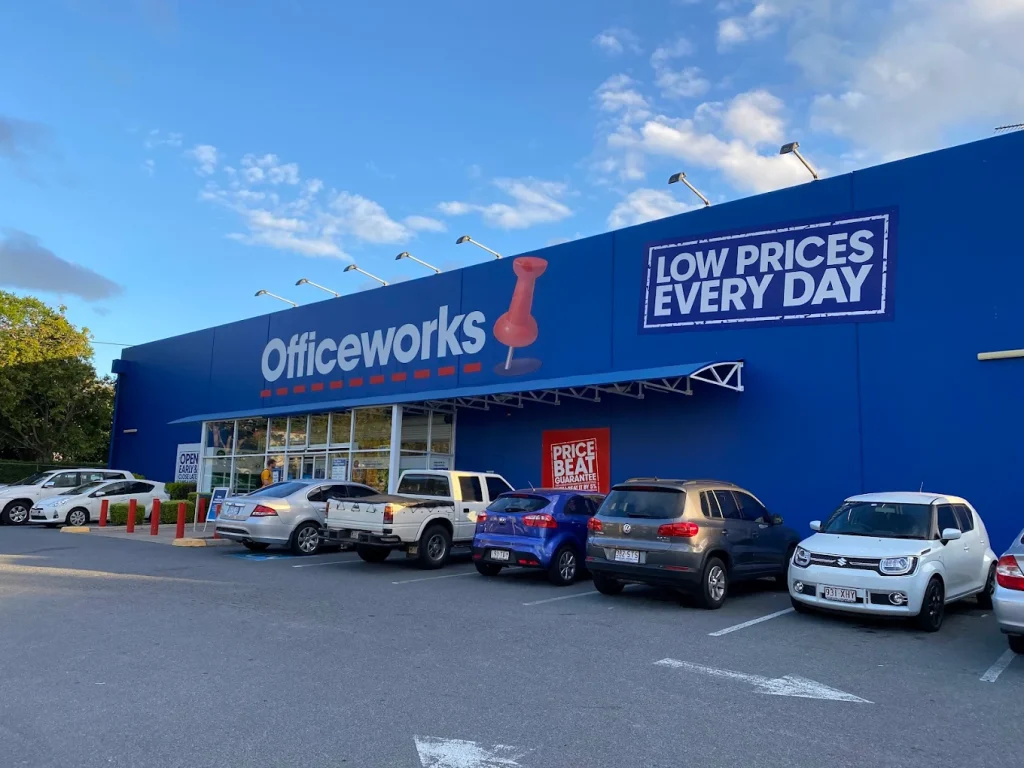
Officeworks Woolloongabba has been singled out by locals as one of Brisbane’s most frustrating places to park, sparking debate over congestion and the lack of affordable options in the inner south.


Tight Spaces and Heavy Demand

The busy Ipswich Road site has become notorious for cramped bays, confusing access points and high demand during peak shopping hours.

Photo Credit: Google Maps

Residents say drivers often circle the block multiple times before finding a park, with some giving up altogether and leaving the area.

“It feels like you need luck on your side just to get a spot — I’ve driven off more than once.” — Local shopper

Growth Adding to Pressure

The backlash comes as Woolloongabba braces for major change, with infrastructure projects such as the Cross River Rail station set to increase both foot traffic and competition for limited parking. 

Photo Credit: Google Maps

While public transport options are improving, many shoppers still rely on cars for everyday errands.

Calls for Immediate Fixes

Community members responding to recent surveys and online forums highlighted the Officeworks site alongside several other problem car parks across Brisbane. 

Photo Credit: Google Maps

Suggestions included clearer signage, better traffic flow design and stronger enforcement to stop non-customers from using the lot.

Business Concerns Rising

Some community members say ongoing frustrations could discourage customers from visiting Woolloongabba, a concern given the influx of new apartments and residents who will expect convenient services.


For now, the message from the community is clear: parking at Officeworks Woolloongabba remains a headache, and without improvements the problem will only worsen as the suburb continues to densify.

Published 25-August-2025

Breakthrough at Princess Alexandra Hospital TRI in Fight Against Resistant Melanoma

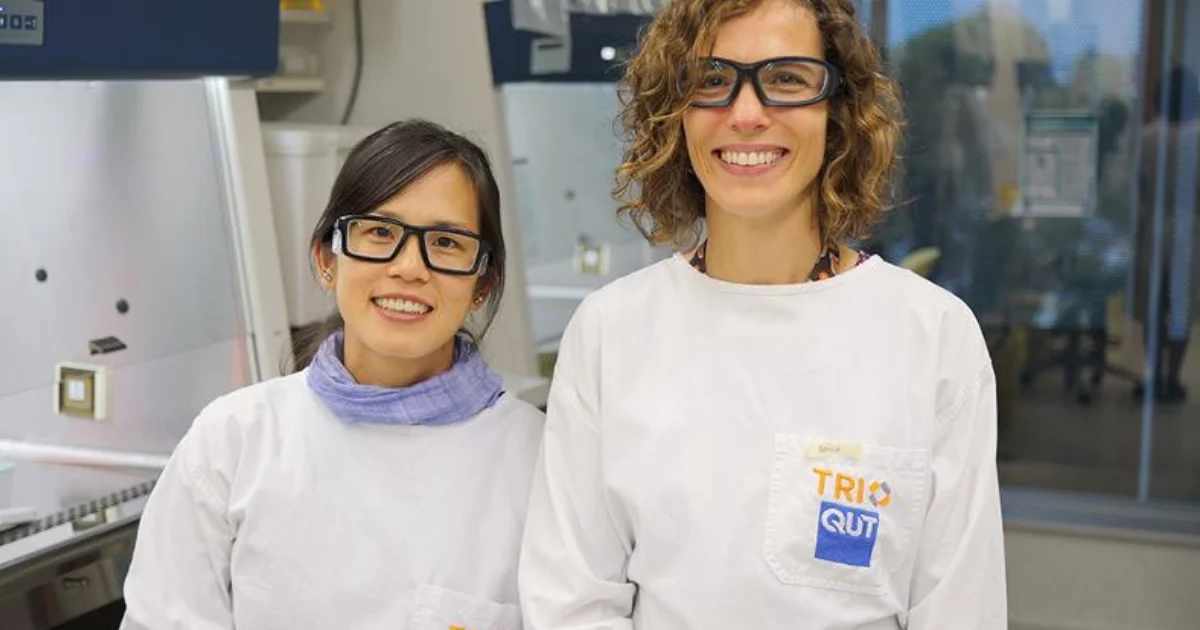
Researchers at the Translational Research Institute (TRI), based at the Princess Alexandra Hospital in Woolloongabba, have discovered that peptides derived from a crab and a spider may offer a pathway to overcoming drug resistance in advanced melanoma.


Read: Princess Alexandra Hospital Celebrates 40 Years of Life-Saving Liver Transplants


The QUT-led team modified natural antimicrobial peptides from the Brazilian tarantula and the Japanese horseshoe crab and found they were able to kill resistant melanoma cells in both laboratory and mouse models. Crucially, the cancer cells did not develop resistance to the treatment, a significant breakthrough given that most cancers eventually adapt to existing therapies.

Published in the journal Pharmacological Research, the pre-clinical study revealed that peptides attack melanoma cell membranes without harming healthy cells. Associate Professor Sonia Henriques, the study’s senior author, said the results are exciting because the peptides worked against proliferative, dormant and therapy-resistant melanoma cells.

“Nature designed these peptides to fight bacterial infection by targeting the cell membranes of the bacteria. We have modified the peptides and applied them to cancer cells to act in a similar way and attack the cancer cell membrane without impacting non-cancerous cells,” A/Prof Henriques said.

The work represents ten years of research and is now focused on refining the molecules to make them more potent and capable of penetrating cells to block cancer progression pathways. Human clinical trials remain at least five years away, depending on funding and further pre-clinical testing.

Dr Aurelie Benfield, the study’s first author, said the discovery demonstrates how evolution in nature can inspire modern medical breakthroughs. “It is amazing because there are so many peptides in nature and they inspire us as scientists to modify them and make them even more potent and stable,” Dr Benfield said.


Read: Woolloongabba Centre Powers Queensland’s Landmark Count of Metastatic Breast Cancer Patients


The Translational Research Institute is a collaboration between Queensland Health, The University of Queensland, QUT and Mater Research. Supported by the Queensland Government, it will also open Australia’s first biomedical manufacturing facility for early-stage biotech companies in 2026, further strengthening the state’s capacity to advance new therapies from discovery to development.

Published 19-August-2025

Green Bin Rollout Announced for Annerley and Surrounding Suburbs

Brisbane has announced the next stage of its green waste recycling bin rollout, with suburbs including Annerley scheduled to receive green-lidded bins between 25 August and 5 September 2025.


Read: Annerley Residents Push for Safer Clive Street Crossing


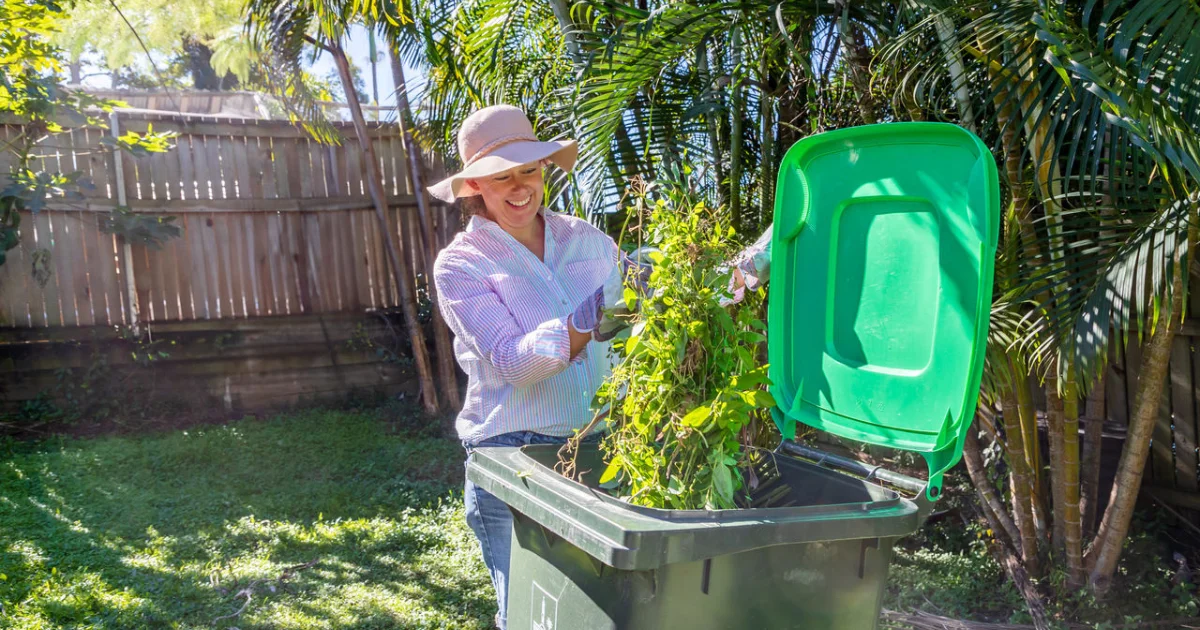
The rollout is part of Brisbane’s citywide initiative to expand green waste recycling and reduce the amount of organic material sent to landfill. Eligible standalone houses in Annerley that do not already have a green waste bin will receive a 240-litre green-lidded bin during this period. Green waste collection will begin the fortnight after delivery and continue on a fortnightly basis, alternating with yellow lid recycling bin weeks.

Photo credit: BCC/Facebook

As of 1 July 2025, green waste recycling has officially become a standard part of Brisbane’s household waste service. The move supports Council’s broader sustainability goals and helps reduce the cost of landfill levies by diverting compostable material into green processing streams.

Residents are encouraged to use the green bin for acceptable garden materials only. These include:
* flowers and foliage
* grass clippings
* leaves and loose bark
* palm fronds
* prunings from shrubs and trees
* weeds, ivy, creepers and vines (including noxious weeds — seeds are destroyed during composting)

Please note that all items must fit within the bin and the lid must close. To ensure safe and efficient processing, material should be no larger than 10 centimetres in diameter and 75 centimetres in length. Any other items, including food scraps, plastic, soil, and treated wood, are not accepted and must not be placed in the green waste bin.

Photo credit: BCC/Facebook

The initiative is expected to bring environmental and economic benefits to communities like Annerley, where lush gardens and leafy streets produce significant green waste. Council reports that over 43,000 tonnes of green waste were diverted from landfill in the past year alone, saving nearly $1 million in waste levy costs.


Read: Historic Boggo Road Gaol in Dutton Park Faces Uncertain Future Amidst Major Transport Hub Transformation


Households that compost or manage their garden waste in other ways can opt out of the service. For more information on bin delivery schedules and accepted items, visit Council’s website.

Published 6-August-2025