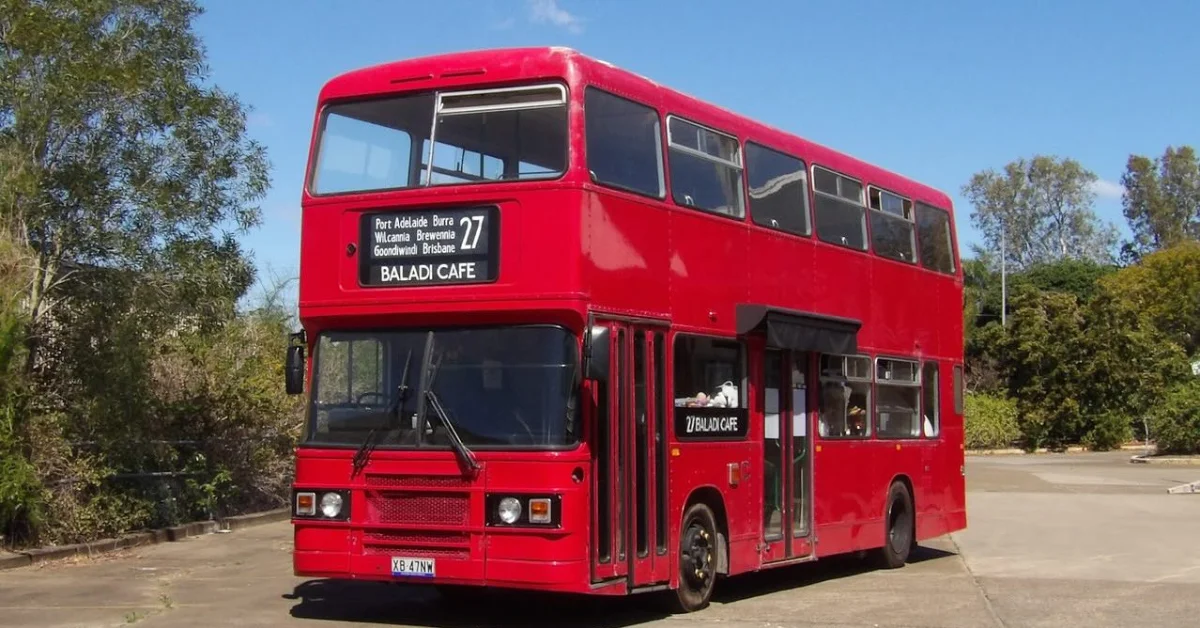
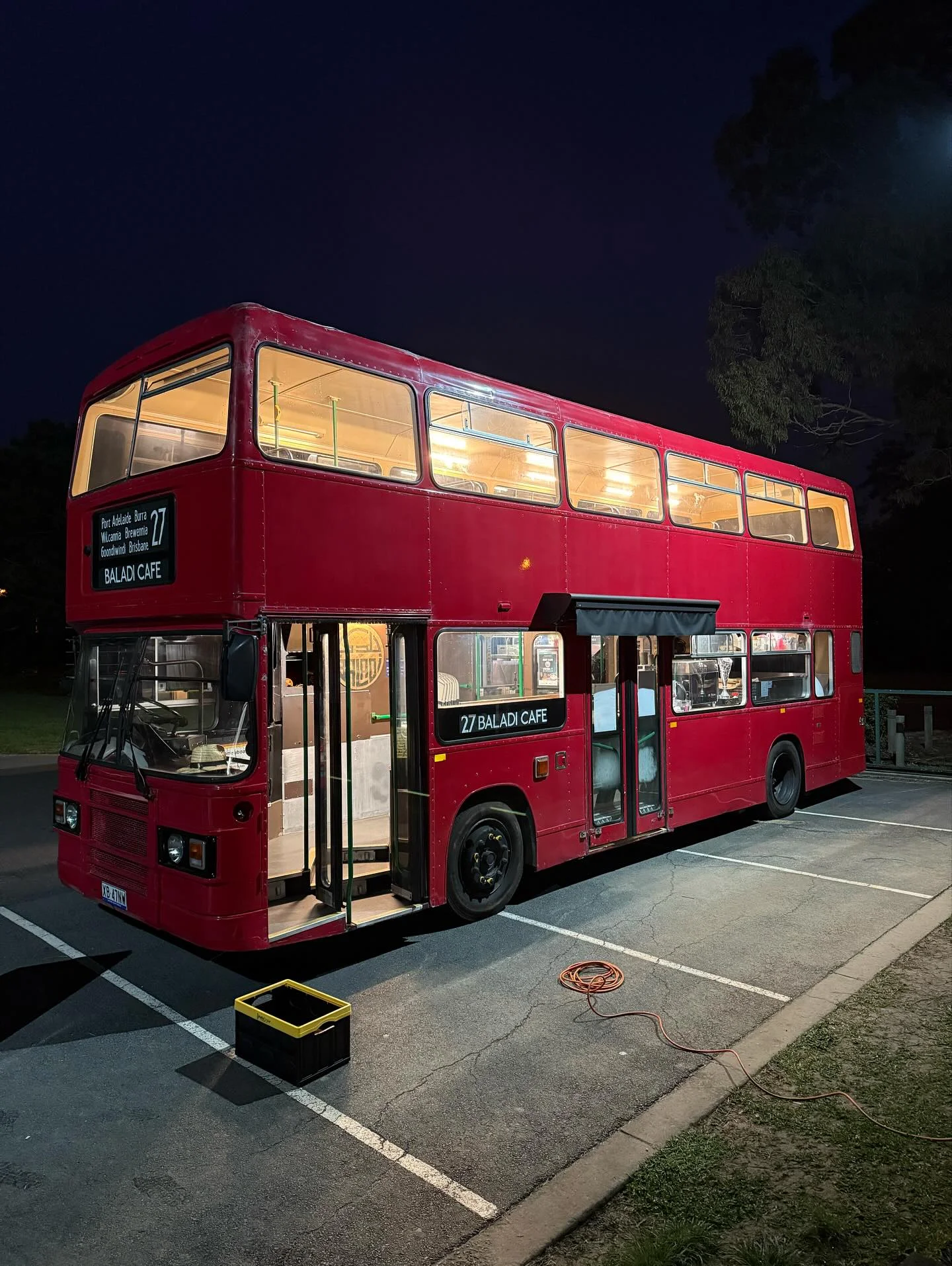
A restored double-decker London bus has been converted into a café now operating at 237 Brisbane Corso in Yeronga. The new venue extends Baladi’s presence in the area, following four years of building a regular customer base through its original trailer business.
Photo Credit: Baladi/Facebook
From London Streets to Brisbane Corso
The bus retains much of its original structure, with refurbished seating now arranged as booth-style spaces. Customers can choose to sit inside on the lower level or head to the top deck for elevated views of the riverside stretch. The café serves coffee, wraps and pastries, trading Tuesday to Sunday from 6 a.m. to 11 a.m.
Photo Credit: Baladi/Facebook
The Baladi Journey
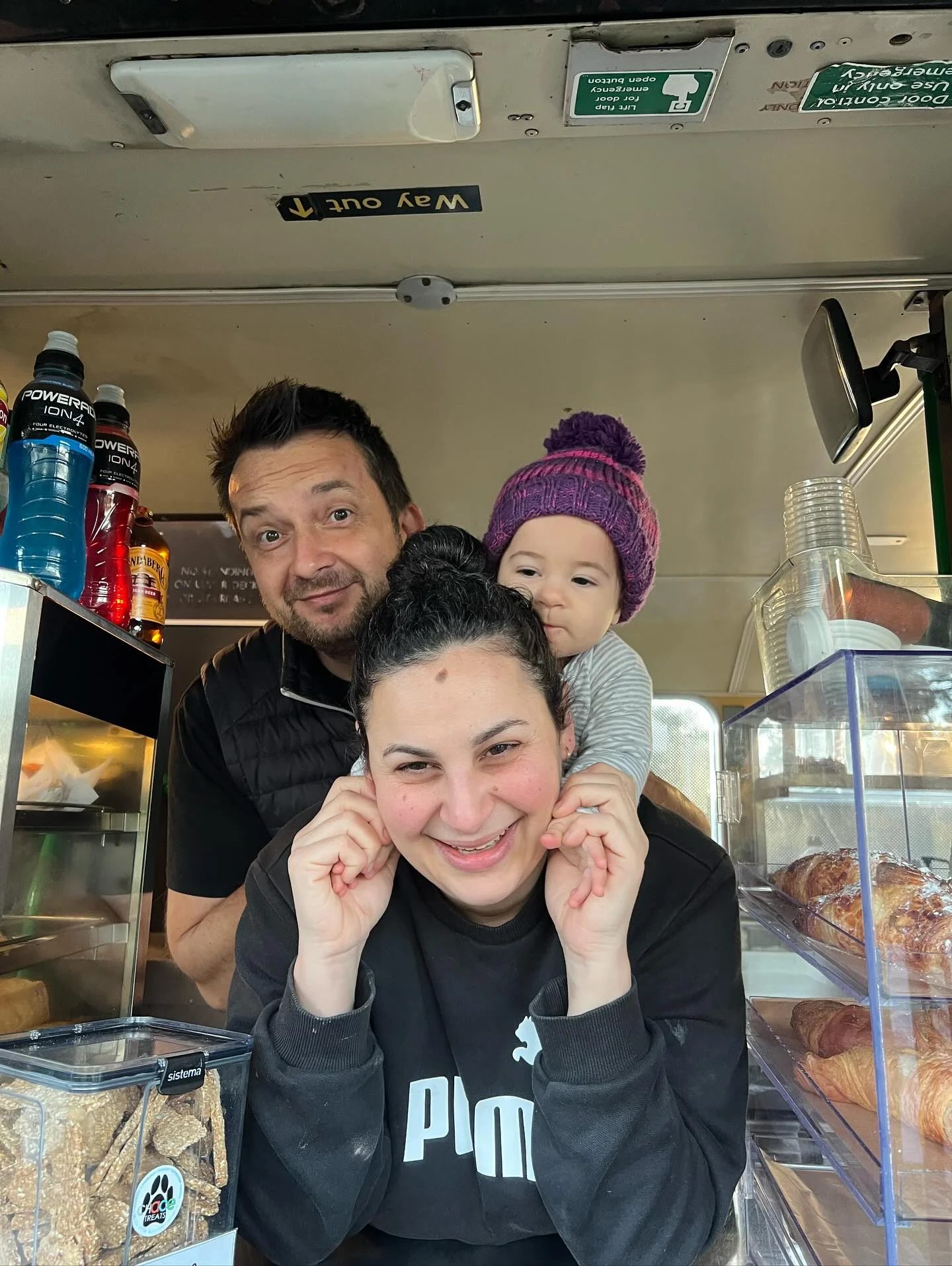
Baladi began in July 2019, created by operators Farah and Anton. Farah, who moved to Australia in 2015 for PhD studies, discovered a strong interest in cooking and hosting during her time at university. Anton, originally from Slovakia, worked in London’s events industry before returning to Australia in 2011. Their shared interest in coffee and food contributed to the development of their growing business.
Photo Credit: Baladi/Facebook
Yeronga Community Reaction
The Yeronga community has shown considerable interest in the new café, reflected in high engagement online. Many comments highlight support for the concept, enthusiasm for the bus fit-out and appreciation for the location along the Brisbane Corso.
The double-decker café adds another option for residents and visitors spending time in Yeronga. With its distinctive layout and riverside position, the venue continues Baladi’s approach to serving customers in a familiar neighbourhood setting.
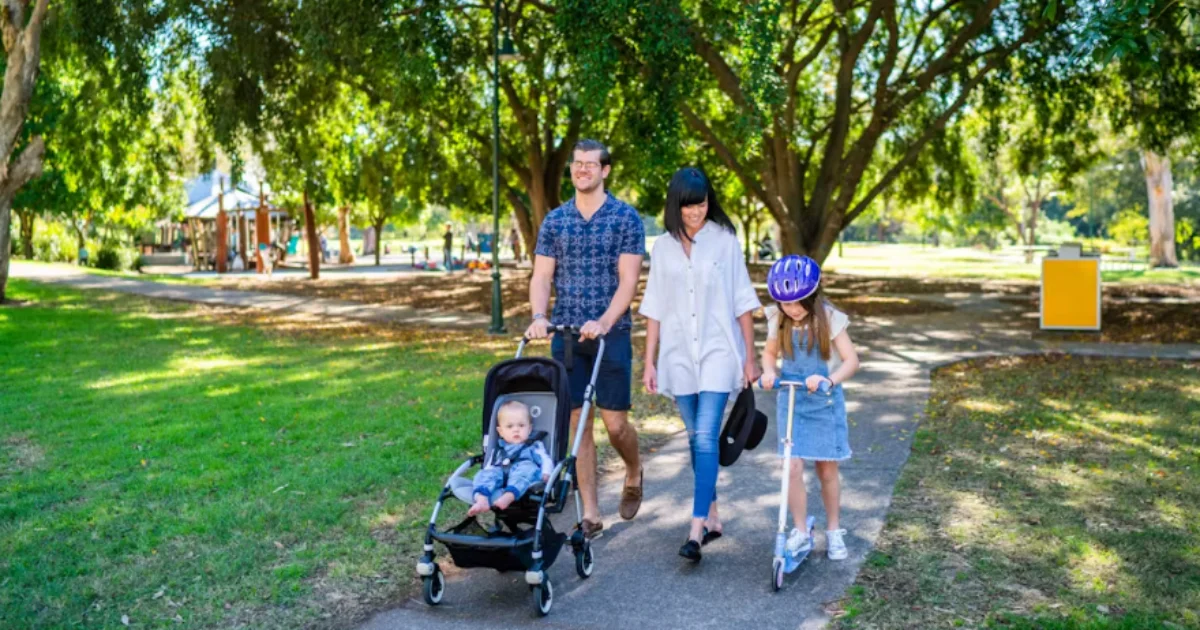
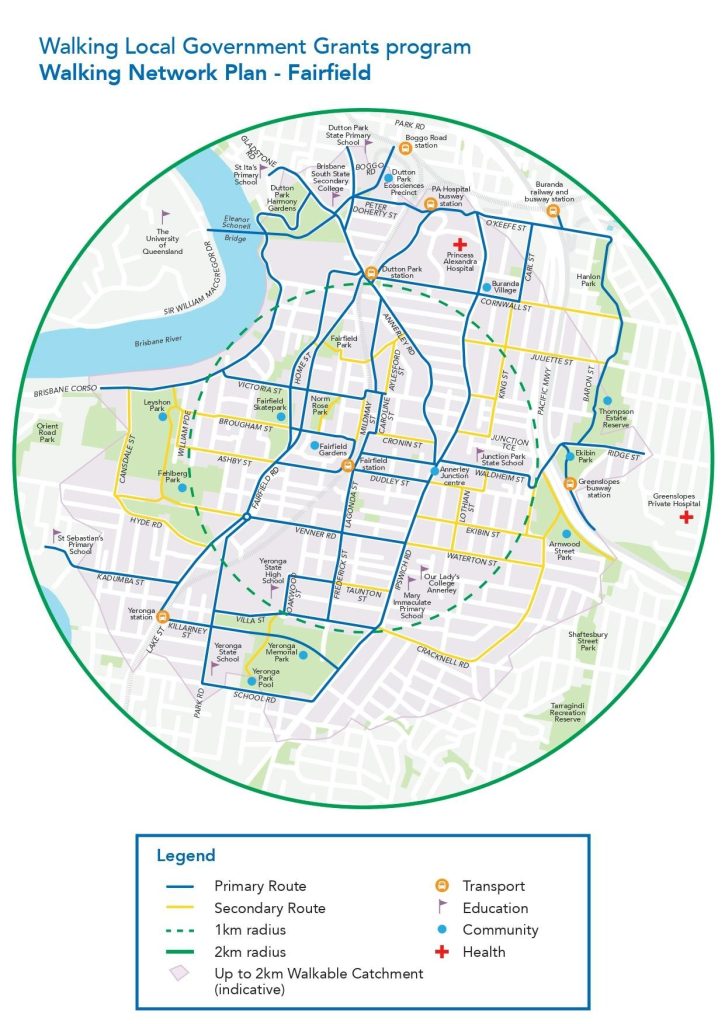
Local residents are being invited to share their thoughts on the Fairfield Walking Network Plan, a new initiative aimed at improving walking routes around the precinct. The plan aims to make everyday walking safer, more accessible, and more comfortable, encouraging people to move around on foot.
Although focused on Fairfield, the plan also includes nearby areas such as Annerley and Yeronga. Many locals routinely walk across these suburbs to reach public transport, shops, parks or work, and the plan seeks to ensure pedestrian routes meet the needs of people moving across these connected communities.
What Is the Walking Network Plan?
Photo credit: brisbane.qld.gov.au
Walking Network Plans are strategic tools that map out primary and secondary walking routes in a precinct. These maps highlight the most practical paths to everyday destinations like schools, shops, public transport stops, and parks. Primary routes typically follow main roads and offer the most direct access, while secondary routes link residential streets to those key thoroughfares.
These plans help guide investment in pedestrian infrastructure by identifying where improvements are needed. This may include adding more pedestrian crossings, upgrading footpaths, or developing shared pathways for both walkers and cyclists. The purpose is to build a network that is both user-friendly and efficient, making walking a viable choice for short trips.
Feedback from the community plays a central role in the process. By gathering people’s experiences and suggestions, the plan becomes a practical tool for shaping a more walkable precinct. Once finalised, it will inform future works programs and help prioritise projects that improve safety, connectivity and accessibility.
Why It Matters to Locals
Photo credit: Google Street View
For residents of Fairfield, Annerley and Yeronga, this is an opportunity to influence the streets they walk every day. Whether it’s noting where crossings are missing or where footpaths need repair, people’s input will shape the kinds of improvements the Council considers. This isn’t just about paving more paths — it’s about making sure the walking network reflects real community needs.
The plan also supports long-term planning. By identifying key routes, Council can better prioritise where to direct resources. Future infrastructure projects — though dependent on budget and city-wide priorities — will be guided by this plan to maximise benefits for walkability.
Have Your Say
Residents can provide feedback by completing the online survey or dropping a pin on the map to leave location-specific comments. The consultation period closes at 11:59 pm on Sunday, 30 November 2025.
This is a genuine chance for local voices to steer the future of walking in Fairfield and neighbouring suburbs. By participating, you can help create a safer, more connected and walkable neighbourhood for everyone.
To take part and learn more, visit Brisbane’s “Walking Network Plan – Fairfield” page.
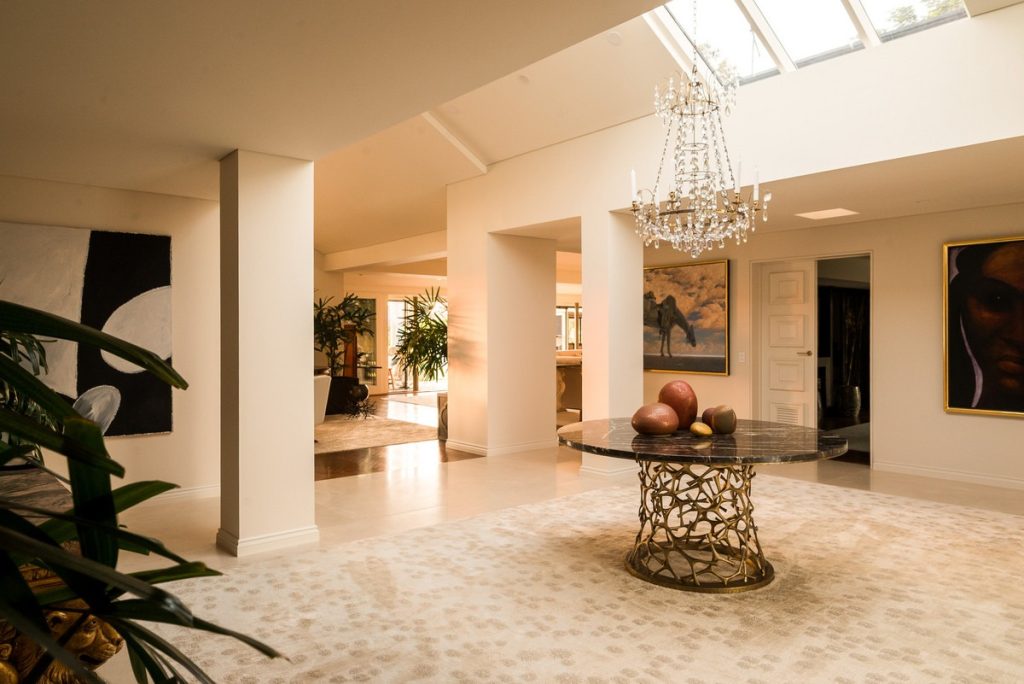
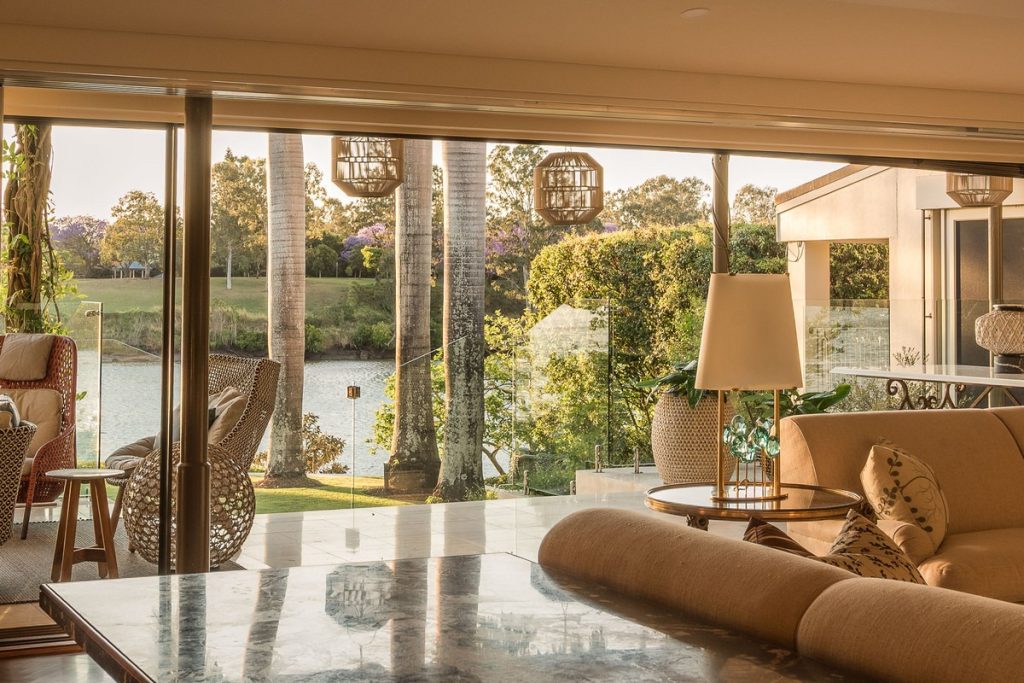
Located at 51 Stevens Street, Yeronga, the property occupies 7,326sqm of elevated land with 57 metres of frontage along the Brisbane River. It has not changed hands in 25 years.
Constructed between 1969 and 1970 for the Foyster family, the home was once described as Brisbane’s most expensive residence built at that time. The house remains a single-level design, which is unusual for properties of this scale on the river.
Photo credit: Place New Farm
Inside, formal and informal living zones extend through to travertine terraces that overlook the river and provide views across to the Indooroopilly Golf Course. The residence features five bedroom suites, walk-in robes, marble-finished ensuites, a butler’s pantry with cold room, and a 600-bottle wine cellar. Additional amenities include a gym, basement parking for around six vehicles, an 18-metre pool, a flood-lit tennis court, a pontoon and boat ramp.
The riverfront estate is represented by Heath Williams of Place New Farm. According to Place Advisory data, Brisbane’s riverfront market saw roughly 40 homes change hands city-wide last year, with a total transaction value of about $231.8 million and an average price around $5.8 million.
In Yeronga, house values have risen sharply, with the median now around $1.625 million following a 25 per cent increase over the past 12 months.
This listing illustrates the rarity of large riverfront parcels in established inner-city suburbs. With this property now open for expressions of interest, it offers an opportunity to secure substantial land, direct river access and a single-level layout within 6 km of the CBD — features that are increasingly uncommon in Brisbane.
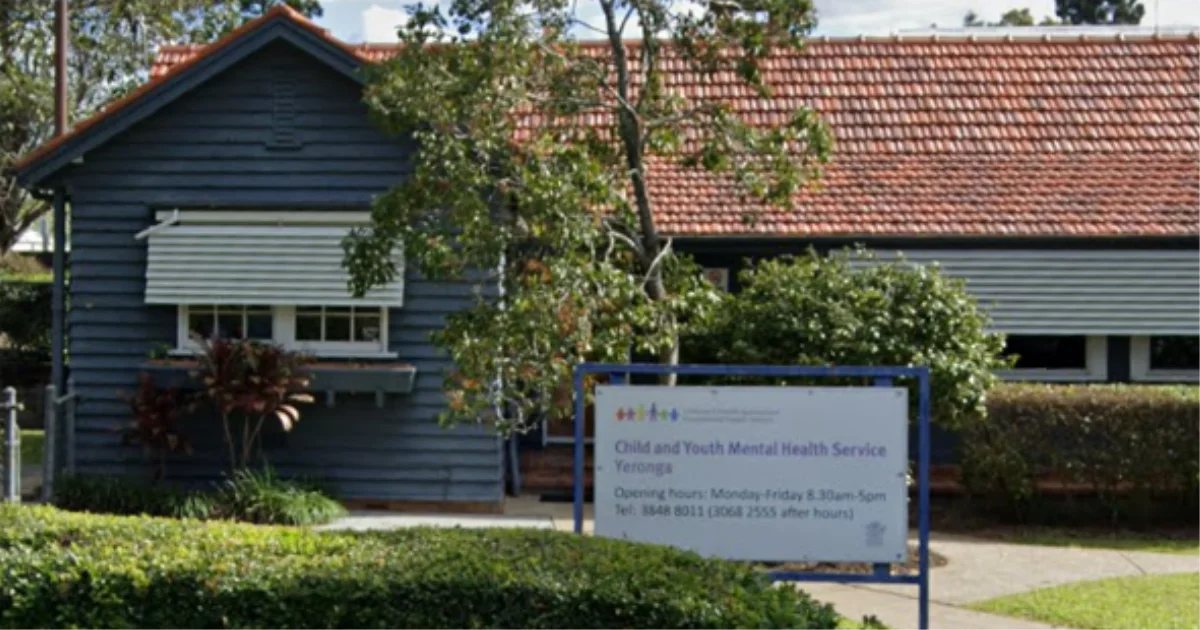
In Yeronga, plans for a purpose-built children’s mental health clinic have been cancelled, with services redirected to leased locations in nearby suburbs. The decision ends years of planning for what was expected to become a central hub for young people needing specialised support in Brisbane’s south.
Originally, a multi-million dollar project announced in 2020 was earmarked for a “Child and Youth Community Health Hub” in Yeronga. The facility was intended to house the Child and Youth Mental Health Service and a dedicated eating-disorders branch, consolidating existing services under one roof to improve accessibility and coordination of care.
Photo credit: Google Street View
The revised plan abandons the Yeronga build site, citing substantial cost escalations and lengthy delivery timelines. Reports indicated that construction would have taken several more years to complete, pushing delivery beyond 2027.
Under the new arrangement, 20 patient rooms will be established across two leased sites — 16 rooms at a location in Upper Mount Gravatt and four at a site in Taringa. The set-up cost is reported to be around $4.4 million, with first-year leasing costs estimated at approximately $600,000.
Photo credit: Google Street View
The original Yeronga design was reported to include 17 patient rooms, which means capacity will remain similar, though now split between two separate facilities. While the change allows services to be established sooner, community advocates say the relocation reduces the convenience and visibility of care that a single purpose-built site would have offered.
Local state MP Mark Bailey described the change as “secretive” and raised concerns about longer travel times for families who had expected a service in Yeronga. Those involved in the project explained that construction delays and rising costs had made the build unfeasible, and that leasing existing spaces would make care available sooner and closer to where many families already live.
The Yeronga site at 51 Park Road had been listed in departmental documents as part of the Child and Youth Mental Health Service network. Its inclusion in public records reflects earlier planning that identified the location as a key site for the region’s youth mental-health care.
Service providers and local schools have said that proximity is critical when arranging access to mental-health care for children. They noted that while leased sites can provide temporary relief, local hubs are important for ensuring that families can attend appointments consistently and without extended travel.
Some local representatives and families have raised concerns that referral pathways and travel times may be affected by the change. The announcement did not include detailed wait-list figures, although analysts have generally found that accessible local hubs help reduce barriers to care.
Public records continue to list the Yeronga hub under in-progress commitments, though the delivery approach has now shifted to leased facilities. For families and practitioners in the area, the focus will be on whether the new arrangement can provide the same level of support that a dedicated, purpose-built site was expected to deliver.
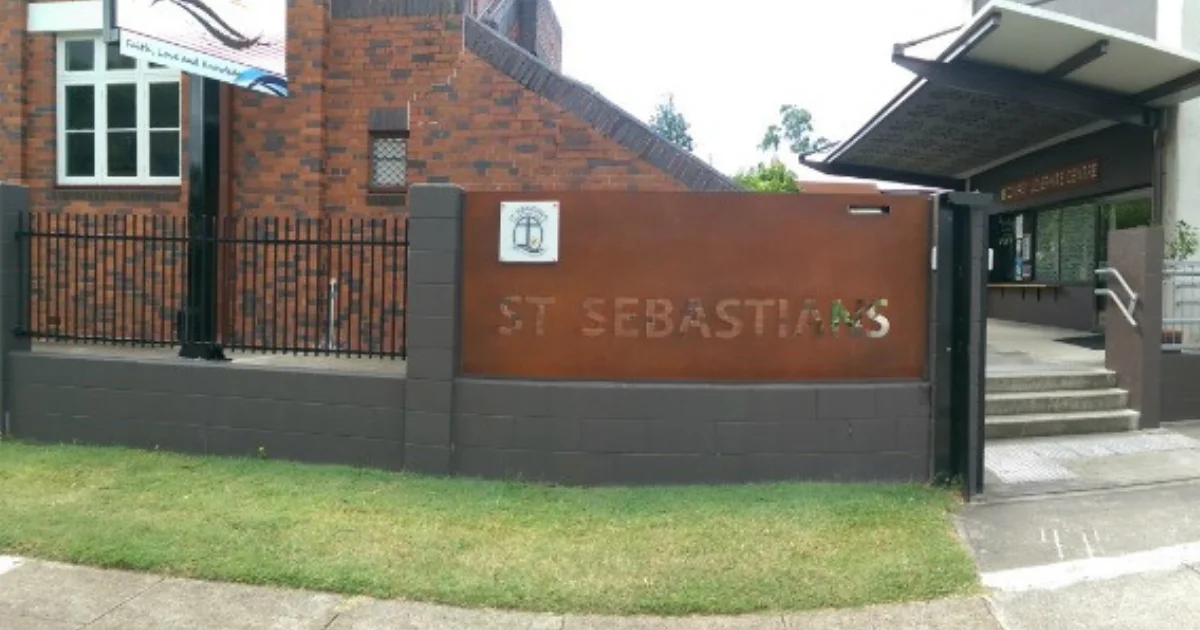
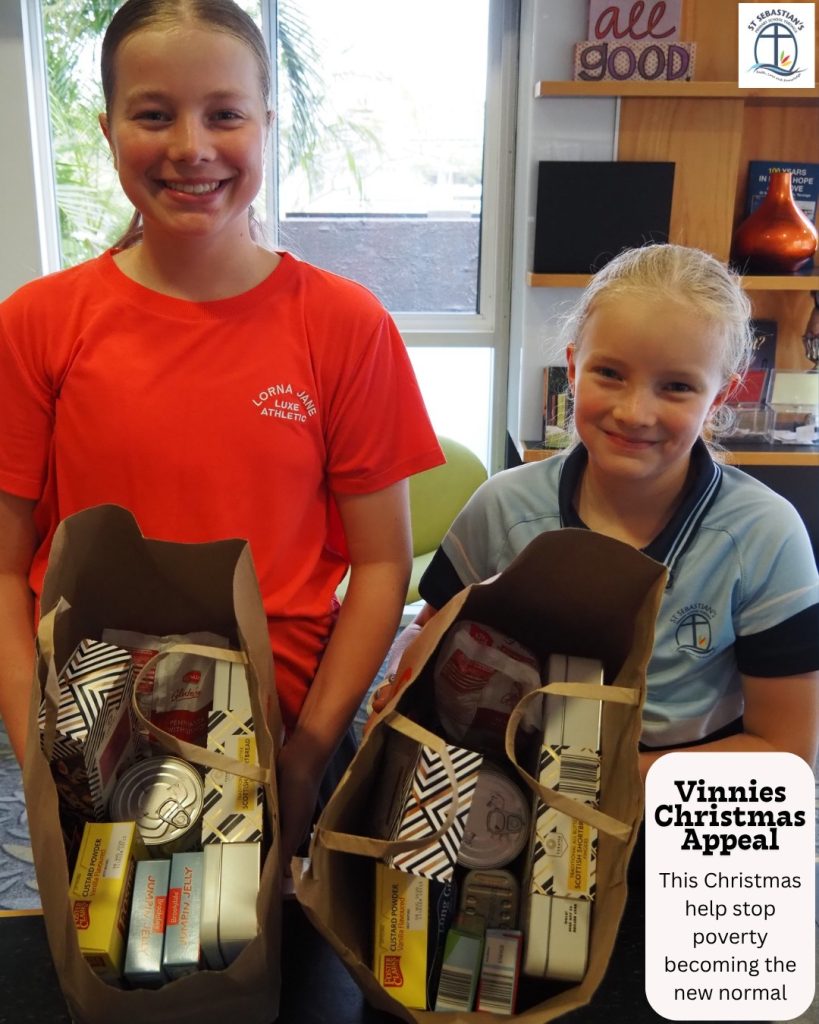
At St Sebastian’s Primary School in Yeronga, the festive season has sparked a community initiative: the school is supporting the St Fabian’s Conference of the St Vincent de Paul Society by creating Christmas hampers for local families in need.
The school’s announcement states, “We’re proud to support the St Fabian’s Conference of St Vincent de Paul by creating Christmas Hampers for local families in need.”
The initiative invites students, families, and the wider school community to donate a variety of non-perishable food items and drinks, as well as optional personal hygiene or body-care products up to the value of ten dollars, excluding shavers or razors. Each hamper is intended to include items from multiple categories to provide a balanced selection for local families.
Photo credit: Facebook/St Sebastian’s Primary School Yeronga
The school notes the importance of including items from each category in the hampers. “We hope that we will be able to include at least one item from each category in each hamper,” the announcement explains.
Through this partnership with the St Fabian’s Conference of the St Vincent de Paul Society Queensland, the school is helping direct support to households in Yeronga and surrounding areas. Volunteers from the conference will distribute the hampers to families experiencing hardship. While exact figures have not been published, the initiative reflects the school’s ongoing engagement with the local community.
Photo credit: Facebook/St Sebastian’s Primary School Yeronga
The school has committed to keeping donors updated on the progress of donations and will advise when certain categories are no longer needed. “We will make sure to keep the school community informed … and will let you know if we no longer need donations of a certain category,” the school says.
Donations are currently being accepted at the school in the lead-up to Christmas. Members of the school and broader Yeronga community who wish to participate are encouraged to contribute items from the list or contact the school for further details.
The collaboration between St Sebastian’s Primary School Yeronga and the St Fabian’s Conference of St Vincent de Paul aims to provide practical support to local families in need during the Christmas season.
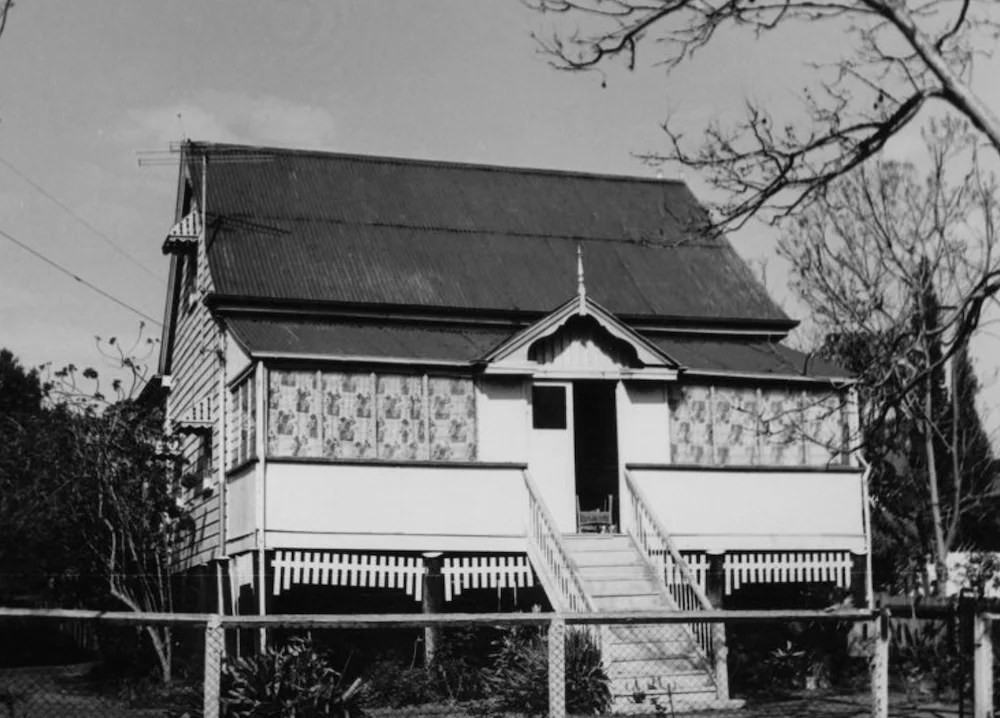
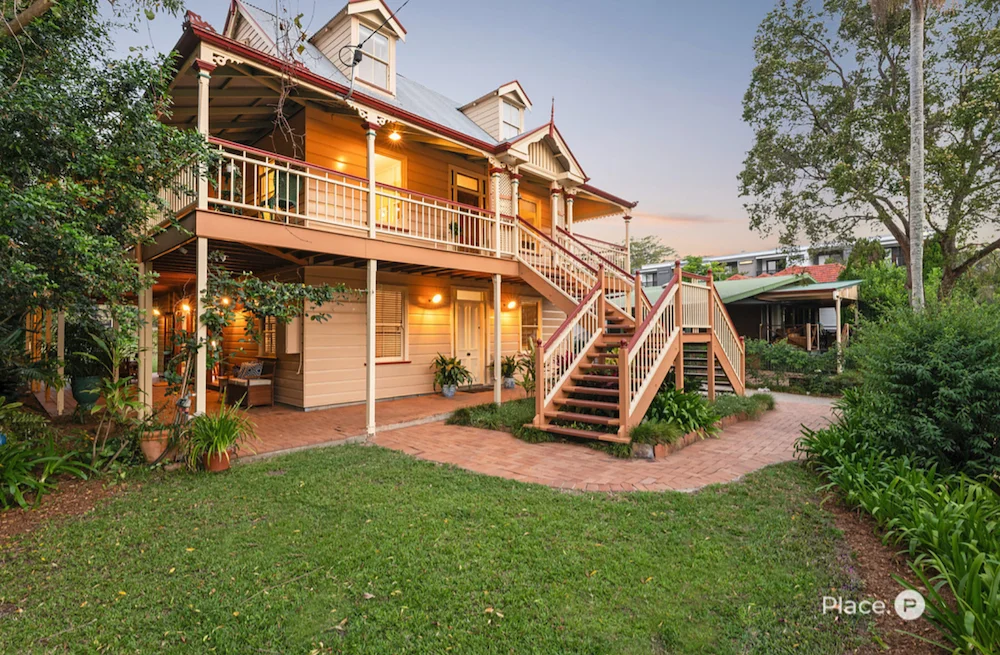
In the leafy suburb of Yeronga, a timber house built in the 1870s and moved from Kangaroo Point during the construction of the Story Bridge is now on the market for the first time in nearly four decades.
Listed at 34 Stevens St and known as “Kingsley”, the home occupies a 744-sqm block and features four bedrooms and two bathrooms.
The current vendors, Brian and Elaine Egan, say they acquired the home in 1986 for just A$52,000 and regard themselves as custodians of its story, preserving many original features while integrating modern comforts.
In recent years, Yeronga’s housing market has surged, with the median price reaching around $1.6 million, making this heritage offering especially noteworthy for locals who value connection to place, character and community.
Originally built in the 1870s at Kangaroo Point, the house was relocated in the 1930s to make way for the Story Bridge project. Its relocation offers a tangible link to Brisbane’s growth and shifting urban fabric.
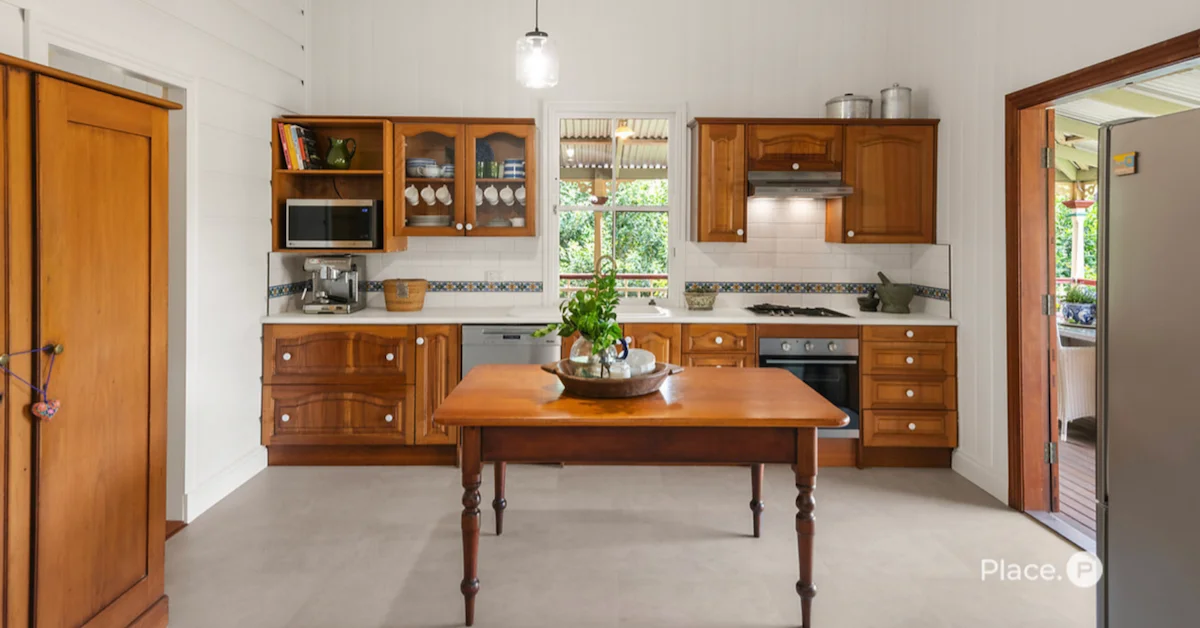
The Egans have retained many fine details including blackbutt timber floorboards, silky oak doors, and decorative sandstone steps carved by renowned sculptor Dr Rhyl Hinwood AM.
Backing onto Rowlinson Park and within walking distance to Yeronga train station, the house enjoys both historical charm and immediate access to local amenities. With its wrap-around deck and verdant garden, the residence has long served as a gathering place for celebrations and neighbourhood events, making it a fixture in the local community.
Photo Credit: Place
What This Listing Means Locally
The property is being sold via a “best offer” campaign with no fixed price disclosed, encouraging interest from buyers who value heritage alongside location in Yeronga. Market observers note that finding a timber home of this age and provenance in inner Brisbane is rare, reflecting both its uniqueness and cultural value.
For the Yeronga community, the sale of this home marks a transition in stewardship—from long-term custodians to the next caretakers—and the chance to maintain a heritage landmark in a suburb known for its rich past and evolving present.
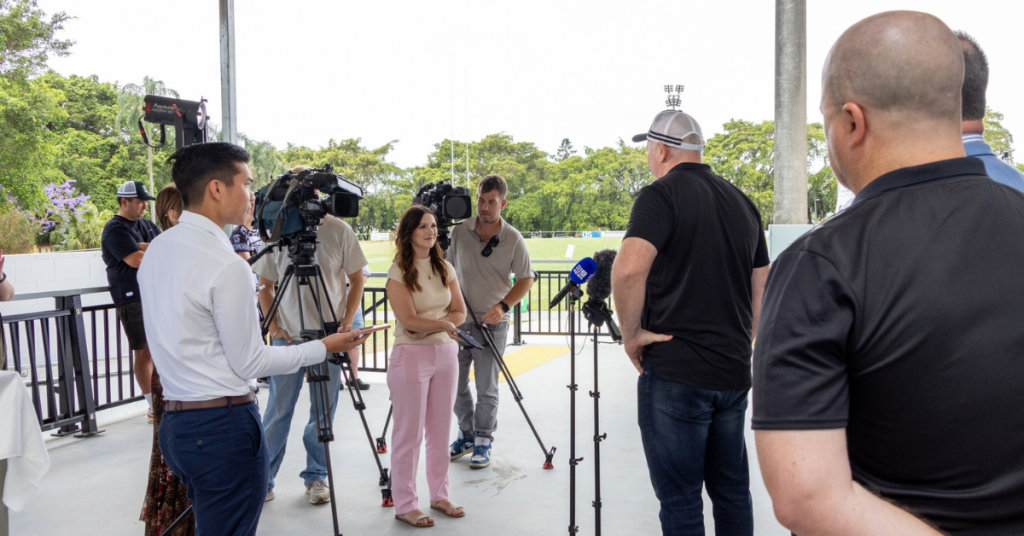
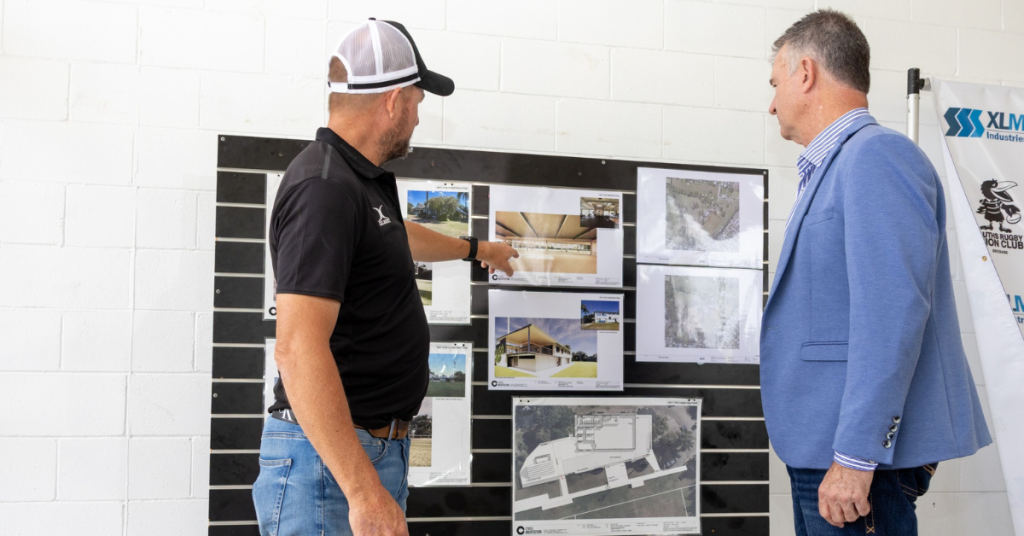
As part of the 2032 Olympic legacy, the celebrated Souths Rugby Union Club in Yeronga is using a $1 million grant to transform its facilities into a modern centre for players and the local community.
This $1 million investment will allow the club to complete the second stage of its clubhouse redevelopment. Souths Rugby Union Club President Derek Thomas explained the goal is to create a welcoming place for the entire community.
He said the club wants to be more than just a place for men’s players, but also for women, girls, juniors, and players of all abilities. The vision is for the club to be a destination where people can watch games, enjoy a meal, and connect with their neighbours.
The funding is part of the government’s $250 million “Games On!” program, which is tied to the community legacy of the 2032 Olympic and Paralympic Games. This investment supports a club with a deep and successful history. Souths, formed in 1948, has produced over 30 Australian representatives and more than 70 for Queensland.
Today, the club (known as the Magpie Army) includes players of all ages, from Under 6s to Premier Women’s and Men’s teams, following a merger of its junior and senior clubs in 2016. The club prides itself on values of discipline, control, and mutual self-respect.
The state-wide program is helping 80 clubs across Queensland with 119 different projects, including new fields, lighting, and changerooms. Minister for Sport Tim Mander stated that the program aims to ensure that Queenslanders across the state have access to high-quality facilities.
He noted the importance of community clubs as the starting point for many sporting champions and how these upgrades strengthen grassroots sport. More than two-thirds of the funded clubs have now received their grants, with 18 projects already under construction and more set to begin before the end of the year.
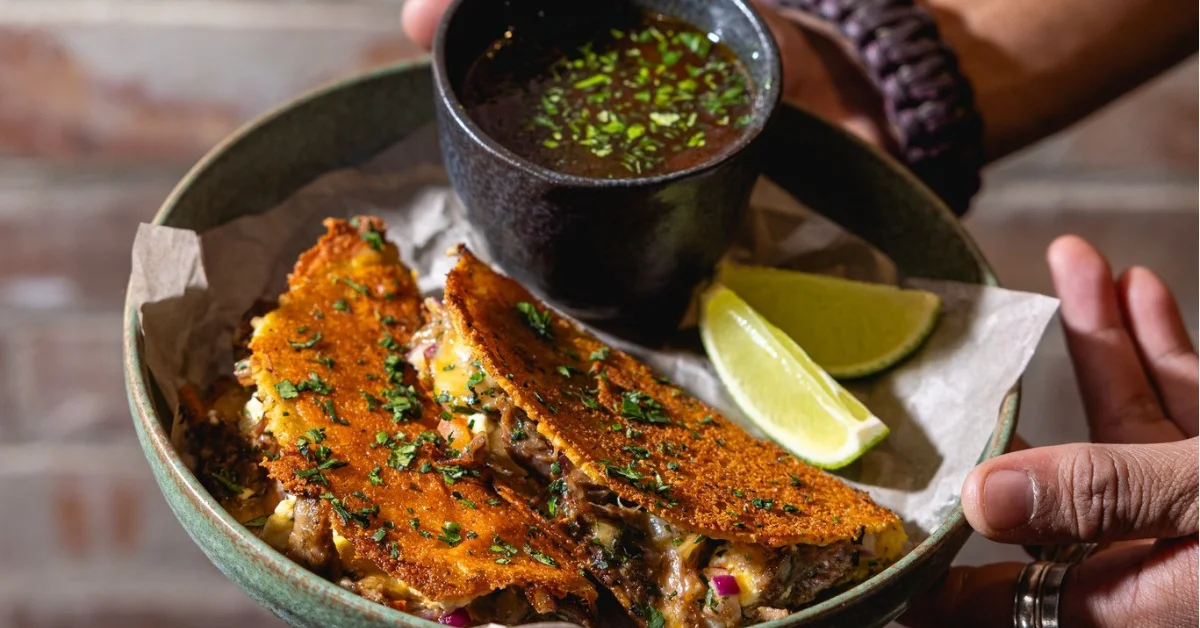
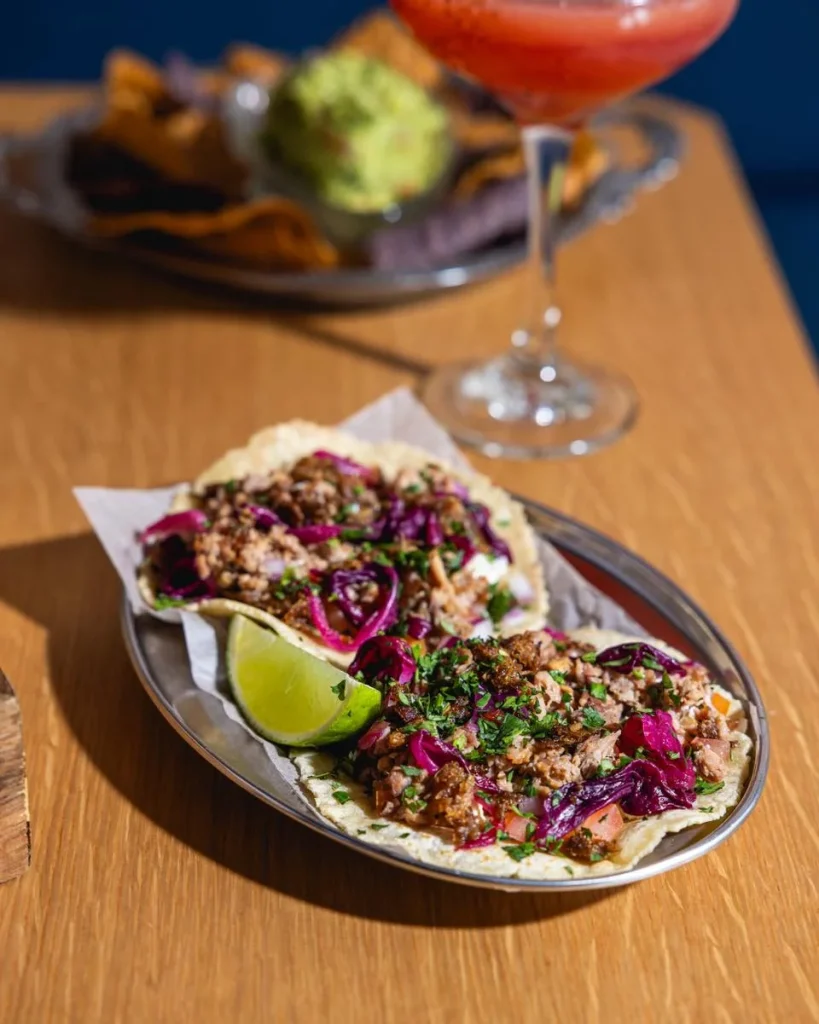
Birria Boy Taqueria has officially launched in Woolloongabba, drawing locals for its slow-cooked birria tacos and agave-led drinks menu in a heritage building on Stanley Street.
The taqueria is trading for the spring and summer season at 617 Stanley Street, operating for dinner from Thursday to Monday and lunch from Friday to Sunday. The venue sits at Clarence Corner near The Princess Theatre and serves as an easy pre-show or late-night stop.
Birria Boy Taqueria centres its menu around traditional birria, a Mexican dish known for meat slow-cooked in rich consommé. They serve a signature 15-hour braised wagyu beef cheek taco on an in-house pressed yellow corn tortilla, paired with jalapeño salsa and consommé for dipping.
The menu also includes a goat birria variation, roasted corn ribs, prawn tacos, tuna belly tostada and wood-fired mushroom birria with Oaxaca cheese.
Agave Spirits and Frozen Margaritas
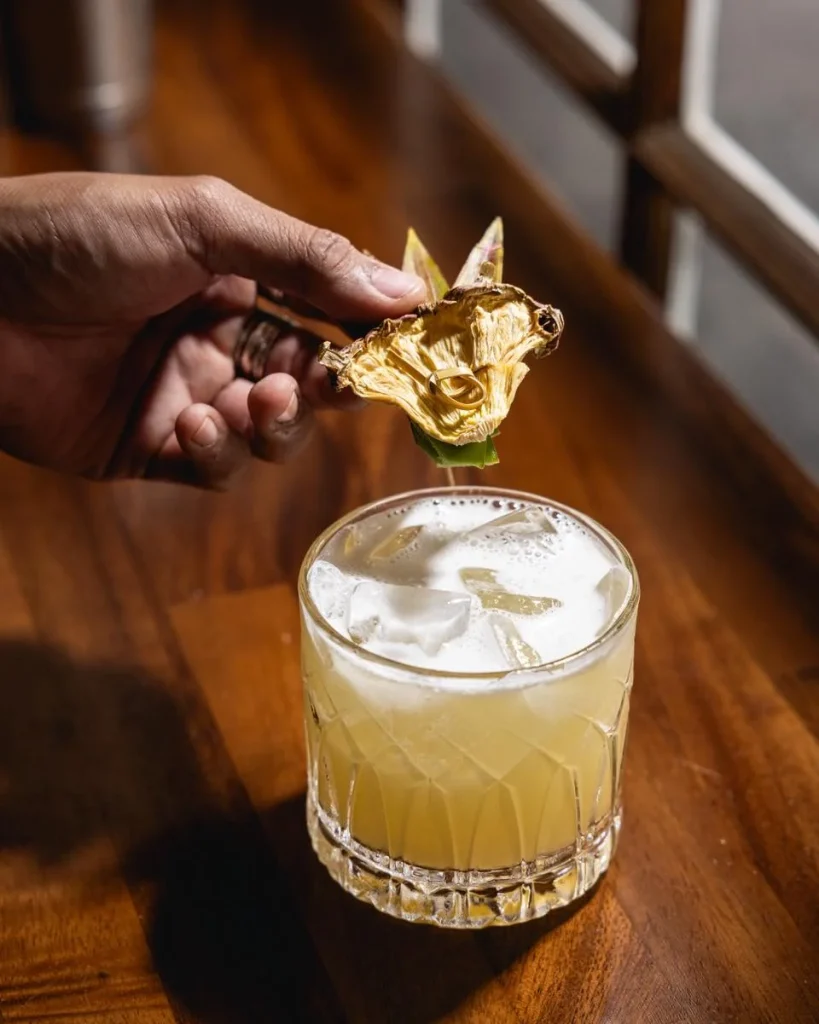
The drinks menu places focus on agave-based spirits such as tequila, mezcal and Queensland-made Beudi Agave. Frozen margaritas and slushie cocktails are offered, along with a Mexican-style lager created with Frenchies Brewery and Sea Legs Brewing Co.
The drinks list is built around agave spirits with frozen margaritas and a collaborative Mexican lager.
Refreshed Heritage Space With Open Kitchen
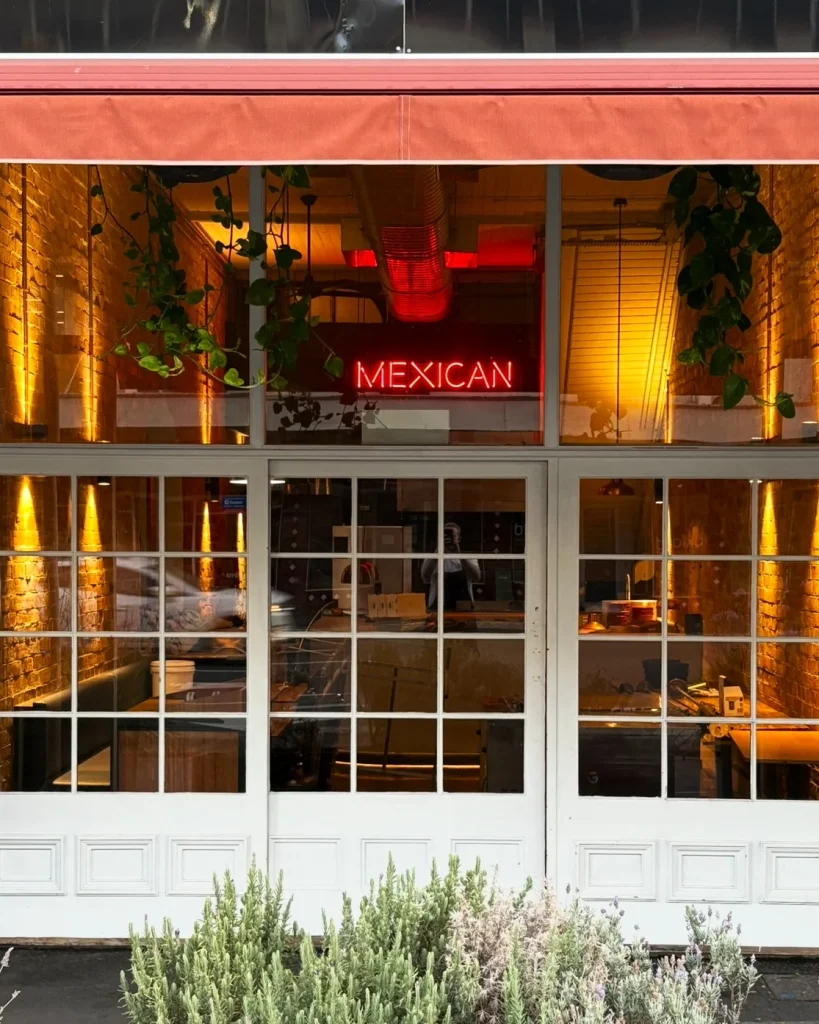
The taqueria occupies the former Vespas Pizza site and retains its woodfire oven. The refreshed space features terracotta tones, cacti accents and an open kitchen where diners see fresh tortillas pressed to order.
Locals have highlighted the venue as a strong new addition to the inner-south dining circuit, appealing to those seeking flavour-driven, casual dining without formality.
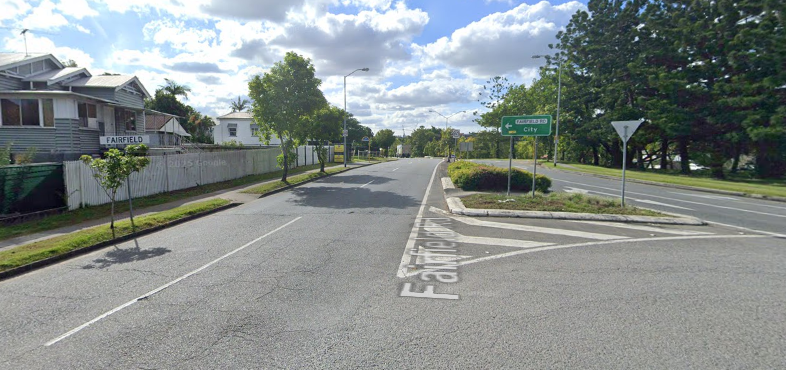
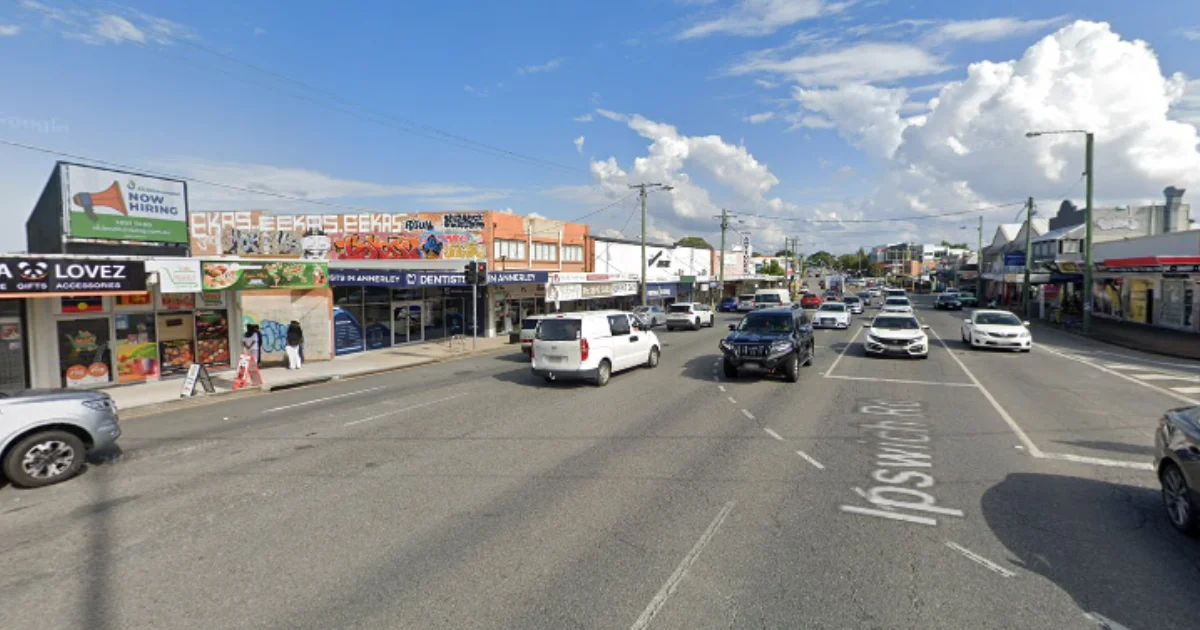
Annerley Road has a posted 60 km/h speed limit, despite a string of crashes recorded over the past five years. Between 2019 and 2024 there were 43 reported crashes along the route, which runs between Dutton Park through Annerley towards Fairfield.
In some sections the road narrows to a single lane in each direction and is lined with driveways, bus stops and shops. Many residents and parents say the speed feels out of step with the area’s suburban character and local pedestrian and cycle traffic.
Photo credit: Google Street View
Traffic monitoring data from Brisbane in March 2024 showed average weekday speeds along parts of the road ranged between 37.8 km/h and 45.4 km/h—well below the 60 km/h speed limit. Yet despite the crash history and observed driver behaviour, there is no formal speed-limit review currently under way for Annerley Road.
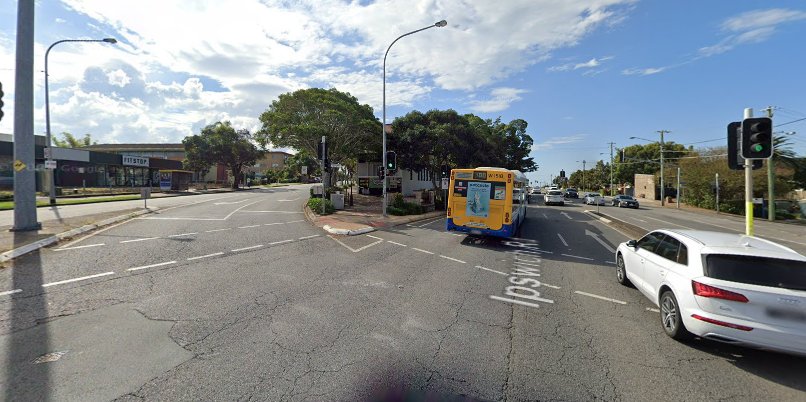
By comparison, Ipswich Road, which connects to Annerley Road, had its limit reduced to 50 km/h in 2020–21 after community requests and a formal review. Gladstone Road was also reduced to 50 km/h after a speed-limit review prompted by local concerns. Annerley Road, however, remains an exception.
BCC is conducting a study to investigate potential future active-travel design options for the corridor, but this project is not a formal speed-limit review. Any change to the posted limit would require further assessment and sign-off by Council, the Queensland Government and the police.
Residents Push for Safer Design
Photo credit: Google Street View
As part of the study, community feedback gathered via an online interactive map revealed strong local concern. Residents called for more pedestrian crossings, removal of slip lanes, protected bike lanes and traffic-calming measures to prevent rat-running through side streets.
Several noted that crossing between Ipswich Road and Annerley Road can take multiple traffic-light cycles and is difficult for older pedestrians or those with mobility challenges. Some reported cars preparing to turn queue across crossings at the Fanny Street intersection when pedestrian lights turn green.
Parents participating in local “bike-bus” programs, which help children ride safely to Yeronga, Junction Park and Dutton Park state schools, say the current road design and high speed limit make independent cycling impossible for younger riders. Organisers say the community-led rides have helped build children’s confidence on bikes, but they stress infrastructure and lower speeds are key to long-term safety.
Broader Push for Lower Urban Speeds
Queensland’s default urban speed limit was reduced to 50 km/h in 1999, a change shown by research to reduce crash severity. Studies by RMIT University and Bicycle Queensland indicate that lowering limits further to 30 km/h on residential streets could significantly improve safety for cyclists and pedestrians while adding only minimal time to car trips. Some Australian cities and local areas, including parts of Melbourne and the Sunshine Coast (Cotton Tree), are trialling or implementing lower-speed zones.
For advocates in Annerley the examples provide a roadmap. They argue that aligning Annerley Road with neighbouring corridors would not only save lives but also encourage more people to walk or cycle.
While Brisbane continues to gather data and community feedback, residents say they hope Annerley Road’s future will reflect its changing character, prioritising safety over speed. Until any change is approved, the 60 km/h signs remain in place on a road that residents say is not yet designed to comfortably accommodate prams, school groups and cyclists.
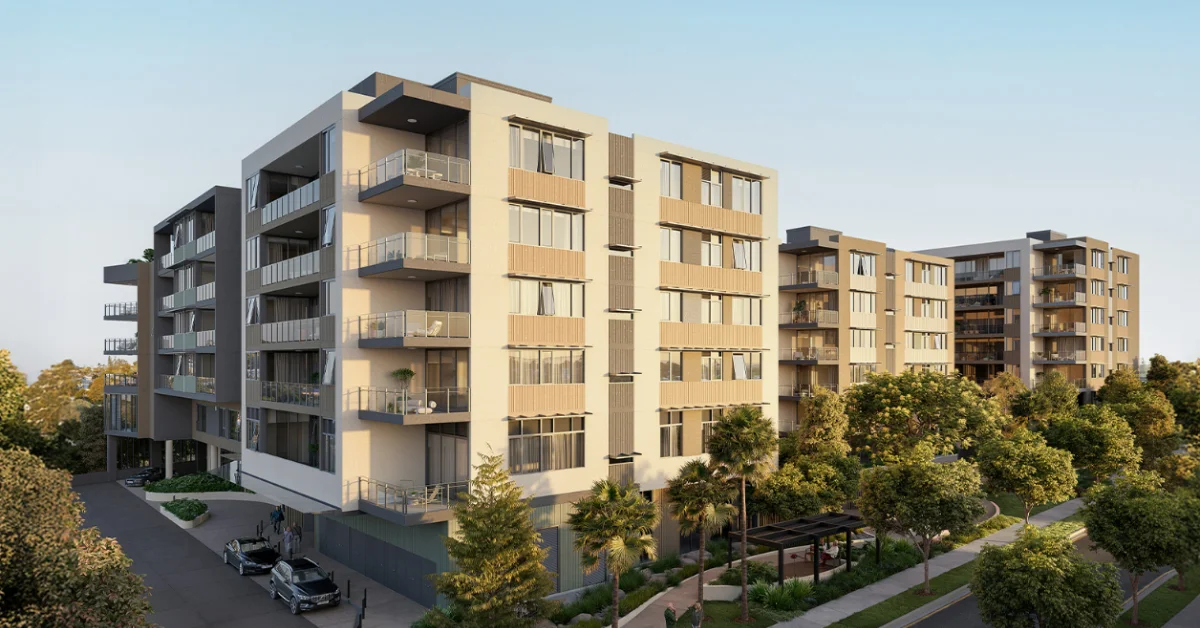
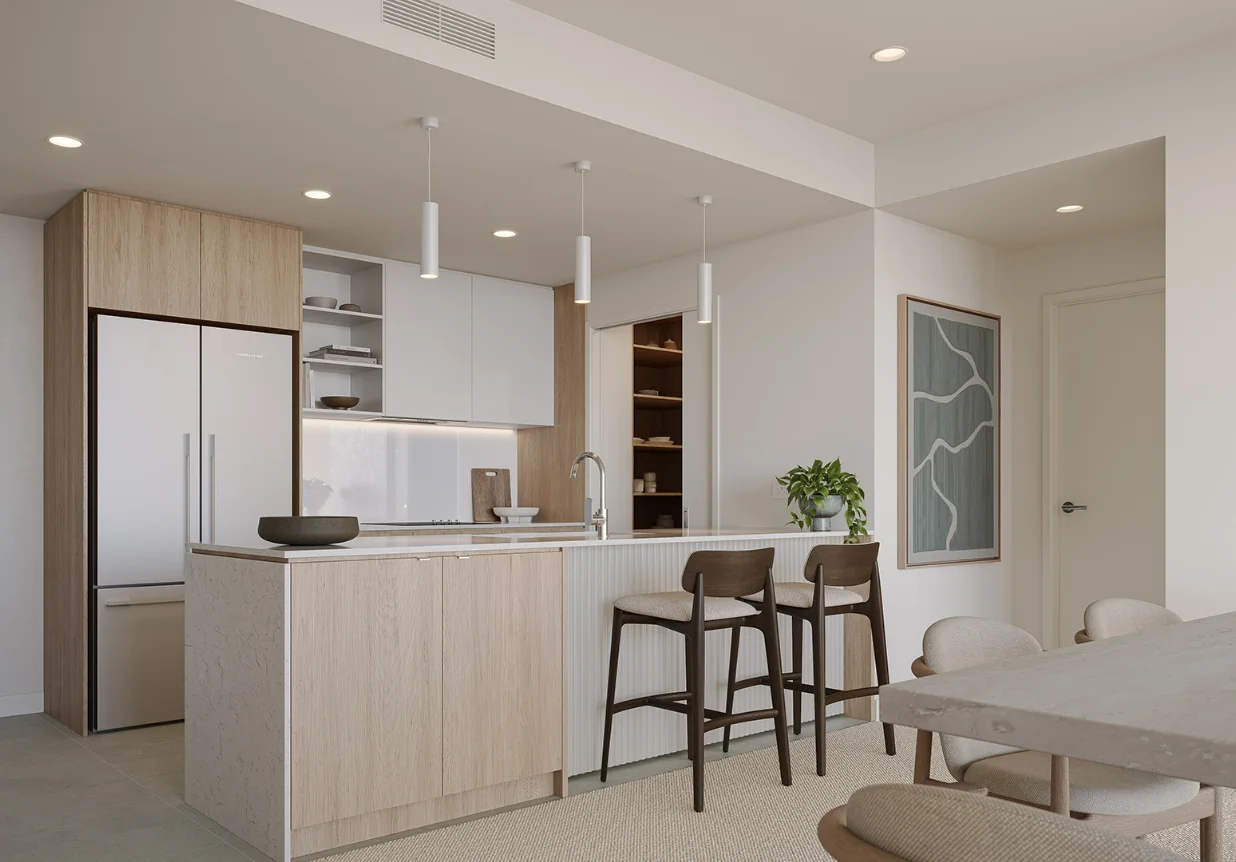
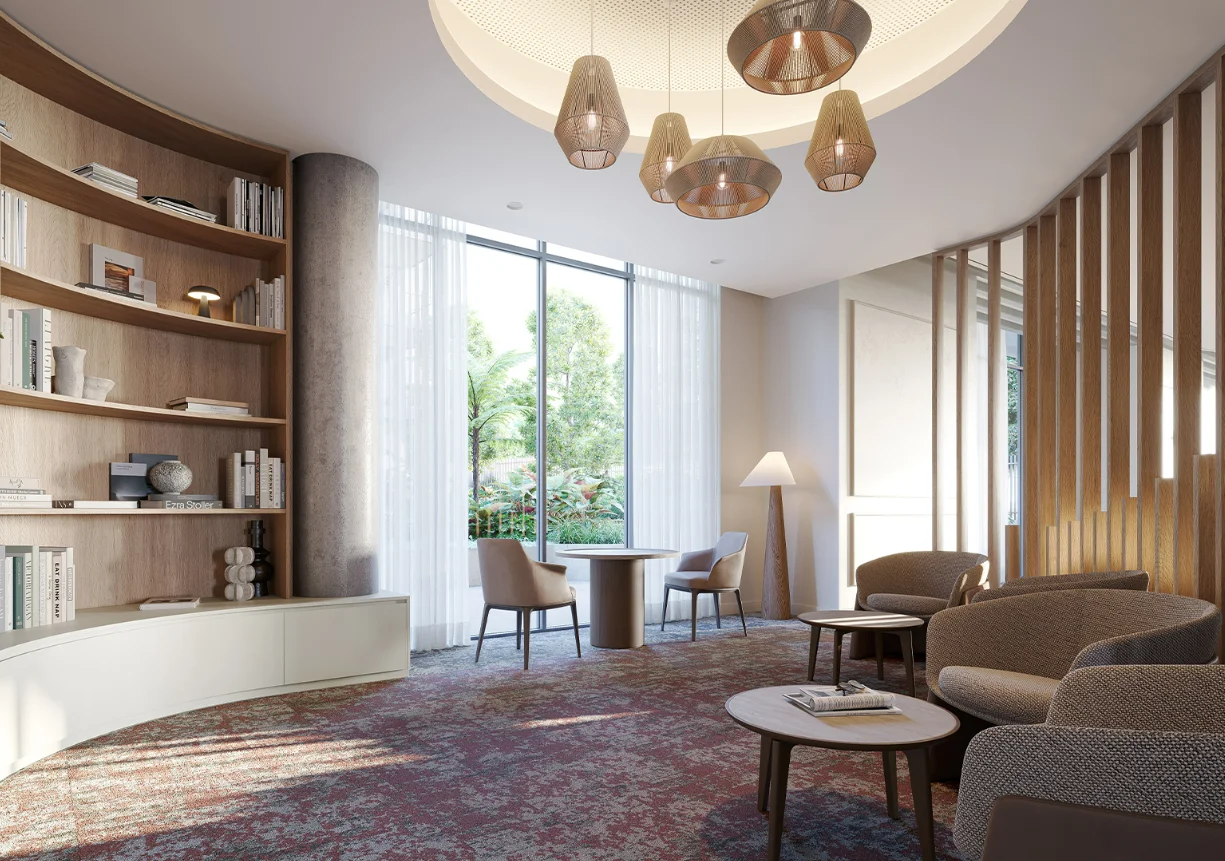
Construction of RetireAustralia’s Arcadia Retirement Living in Yeronga continues to advance, with new apartments and community facilities expanding the existing development within Parkside Yeronga.
Construction at Parkside Yeronga has been progressing steadily, with the first townhomes by JGL Properties recently completed and occupied. Building on this momentum, RetireAustralia has begun marketing and selling premium independent living apartments in its Arcadia Retirement Living community. The marketing is operating from a temporary sales suite located at the corner of Park Road and Villa Street, near the Yeronga–Annerley boundary.
The development currently includes 159 independent living apartments and a 10-suite care hub. Plans have been lodged for an expansion to deliver an additional 58 apartments, following RetireAustralia’s acquisition of the final available lot in the precinct from Economic Development Queensland.
Photo Credit: Marchese Partners
Former Health Facility Site Repurposed
The newly acquired site was initially approved for a large commercial or health facility intended for Children’s Health Queensland. The organisation has since opted to redevelop its existing facility on the corner of Park Road and Dublin Street, opening the opportunity for Arcadia’s expansion.
This decision allows RetireAustralia to consolidate the final portion of Parkside Yeronga, continuing the broader transformation of the former TAFE site into an integrated, intergenerational precinct.
Photo Credit: Marchese Partners
Features and Facilities for Future Residents
Arcadia Retirement Living, designed by Marchese Partners | Life3A and constructed by Hutchinson Builders, forms part of the Yeronga Priority Development Area. The 3.1-hectare precinct will feature a combination of townhouses, affordable housing, and community amenities surrounded by 4,000 square metres of open green space.
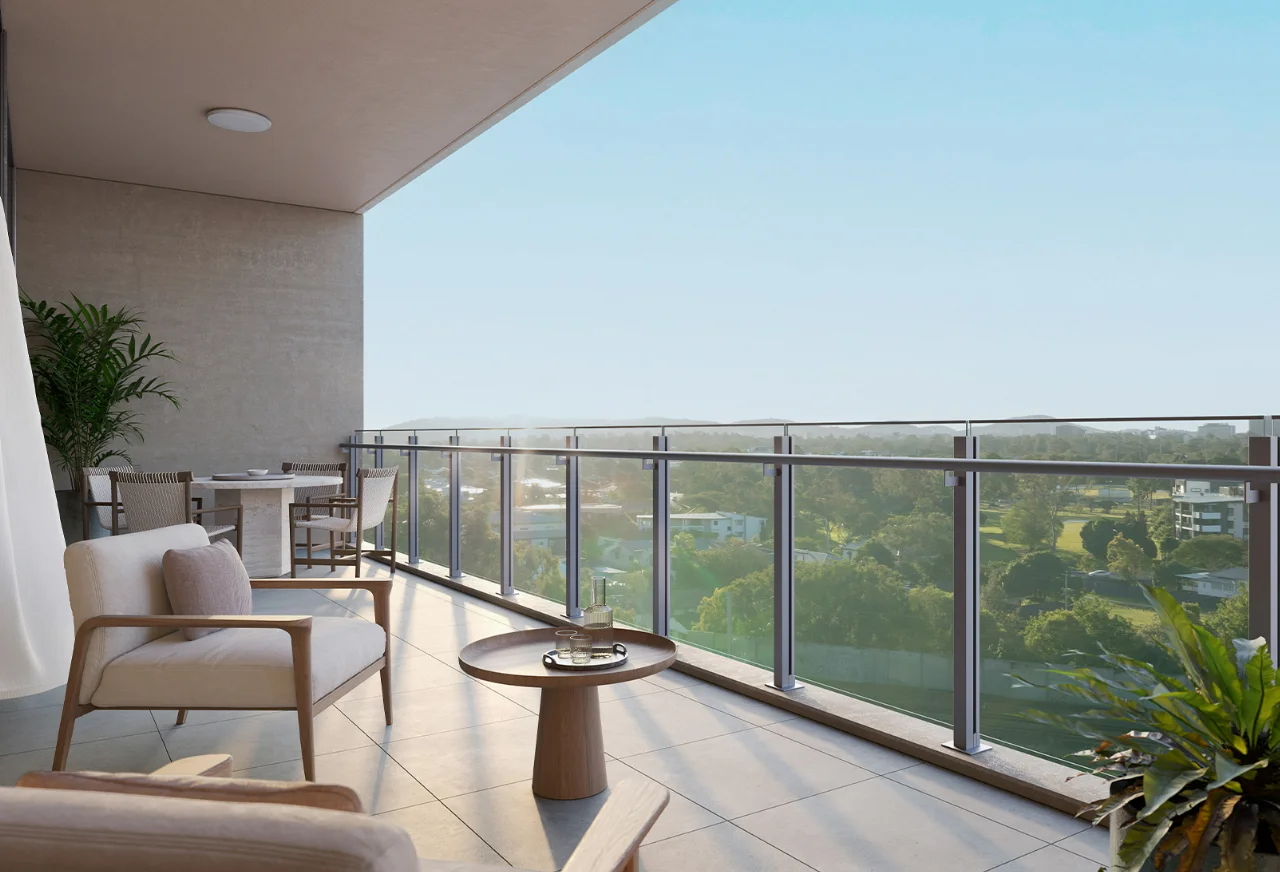
Arcadia will offer a selection of one-, two-, and three-bedroom apartments, with prices starting from $835,000 for one-bedroom homes and reaching $1.6 million for three-bedroom residences. Apartments feature open-plan designs, generous storage, and age-friendly layouts.
Amenities include a cinema, gymnasium, yoga studio, rooftop recreation area, wine room, and billiards room. The community also provides a 24-hour emergency call system, concierge and wellness services, and an innovative Care Hub for short or long-term support.
Photo Credit: Marchese Partners
Community Connection and Open Spaces
RetireAustralia will continue delivering the Parkside Yeronga Green Spine parkland, a publicly accessible garden designed to link the Arcadia community to the Yeronga Community Centre and Villa Street. This landscaped corridor will promote walkability and provide residents and locals with an additional open green area.
Arcadia is scheduled to welcome its first residents from early 2026. The village aims to provide a balance between independence and connection, offering a lifestyle that blends privacy, wellbeing, and community engagement.