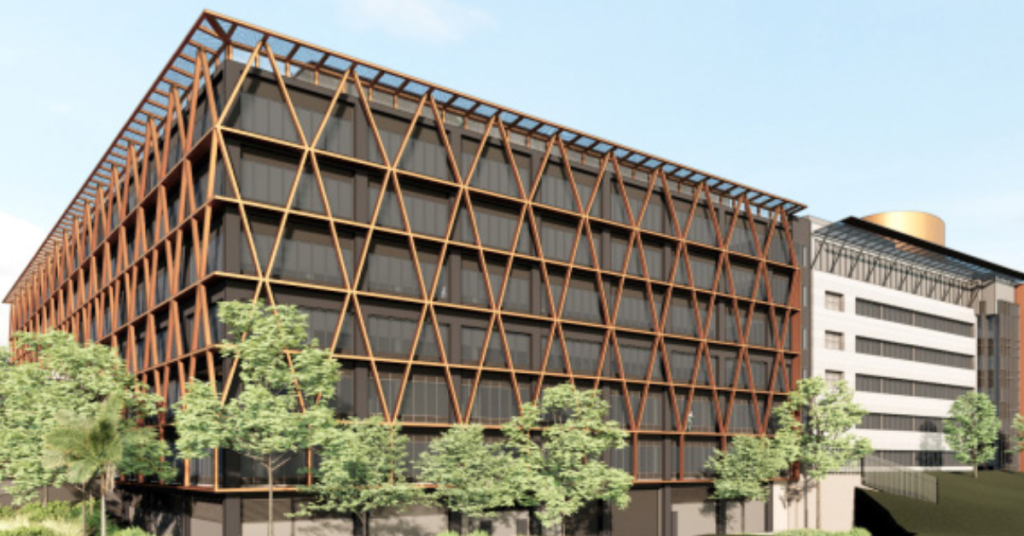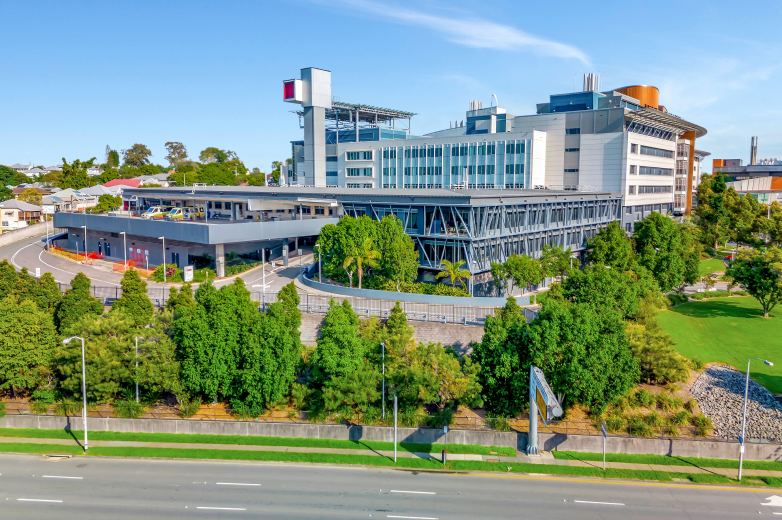



Princess Alexandra Hospital Stroke Unit: Best in Queensland, Among the Nine Best in the Country

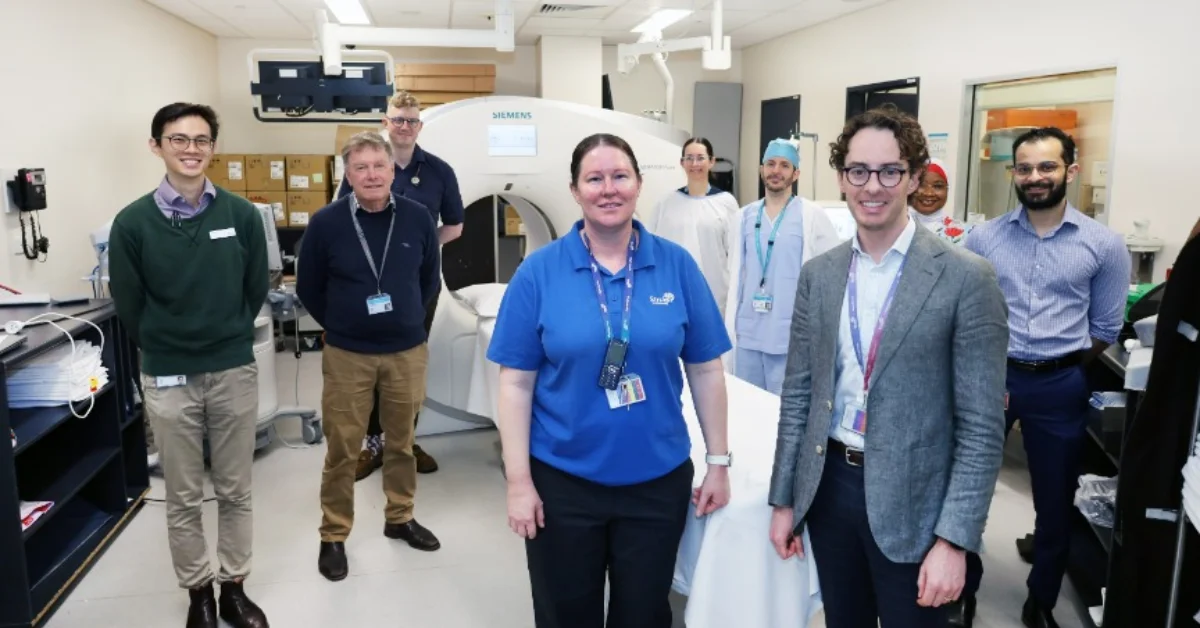
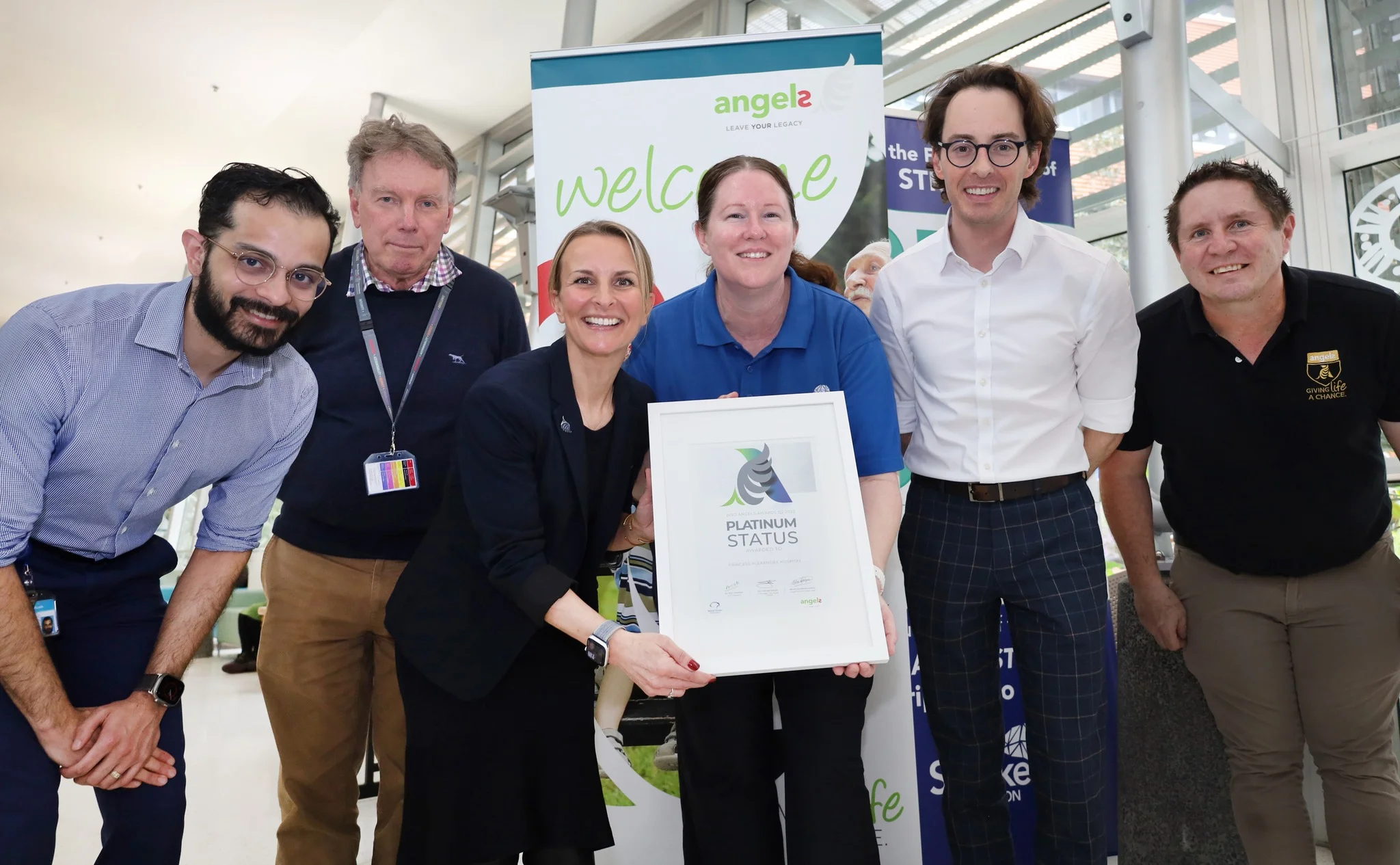
Princess Alexandra Hospital’s stroke unit in Woolloongabba has received Angel Awards every quarter of 2025 from the World Stroke Organisation, the only hospital in Queensland and one of only nine in the country to do so each quarter.


Four Quarters Of Recognition For Woolloongabba Stroke Unit

Princess Alexandra Hospital’s stroke unit in Woolloongabba recorded two Gold awards and two Platinum awards across 2025 under the World Stroke Organisation Angels Awards.

The hospital achieved recognition in all four quarters of the year, making it the only site in Queensland to reach this level. Nationally, it was one of nine hospitals to receive four awards in 2025.

A quarter-by-quarter listing shows Gold in Q1 2025, Platinum in Q2 2025, Platinum in Q3 2025 and Gold in Q4 2025.

How The Awards Are Determined

The Angels Awards are issued on a quarterly basis and assess stroke care using benchmark criteria linked to clinical performance.

Hospitals are required to meet minimum patient thresholds and submit data through recognised registries. Award levels include Gold and Platinum.

Coordinated Stroke Care Across Hospital Teams

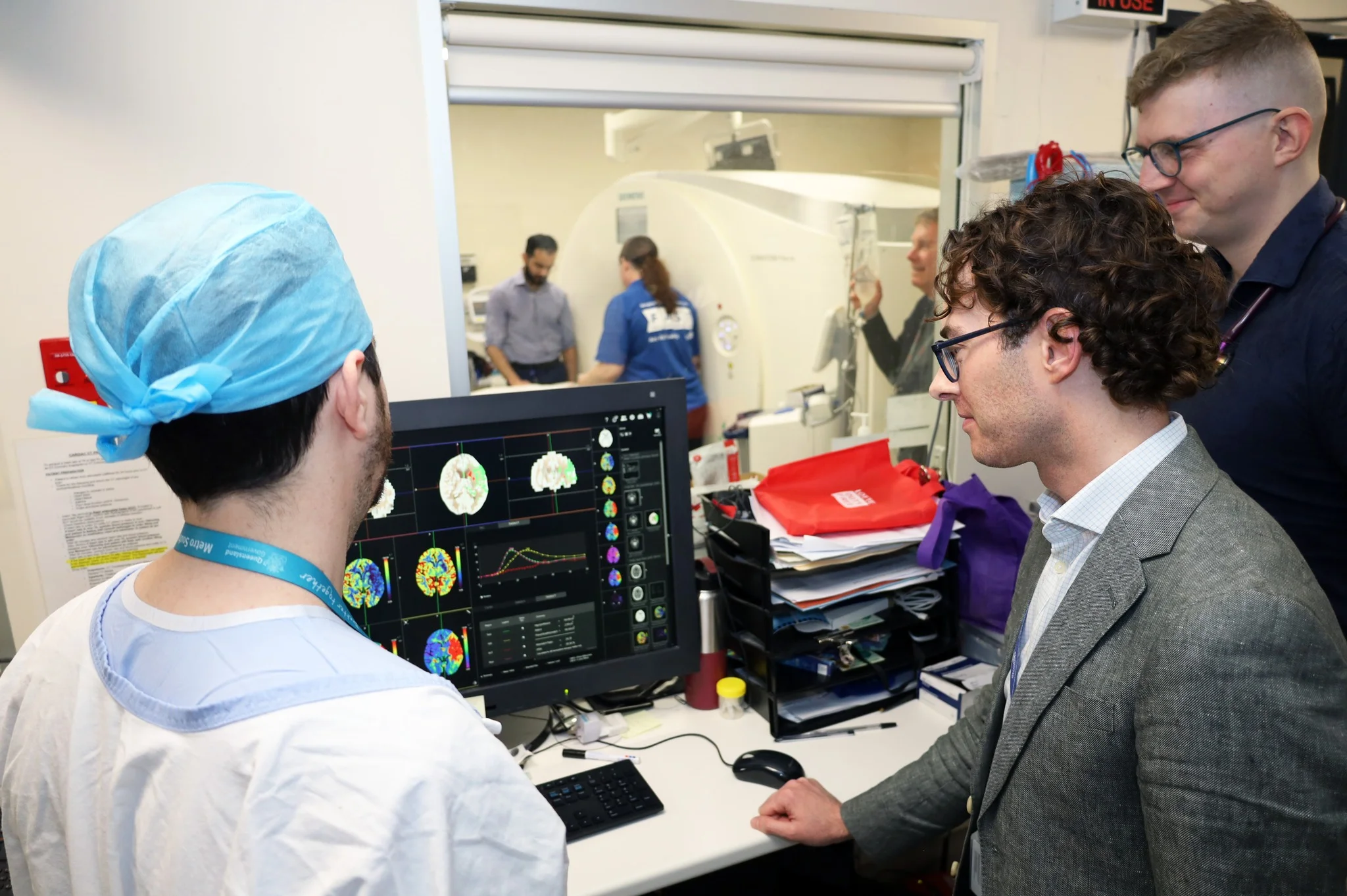
Stroke care at the Woolloongabba hospital involves coordination between ambulance services, emergency departments, radiology and specialist stroke teams.

Earlier reporting on the unit’s accreditation also outlined the role of medical, nursing and allied health professionals in managing patients from admission through to discharge.

Three referral sites to Princess Alexandra Hospital — QEII, Ipswich and Toowoomba hospitals — also received an award for the fourth quarter of 2025.

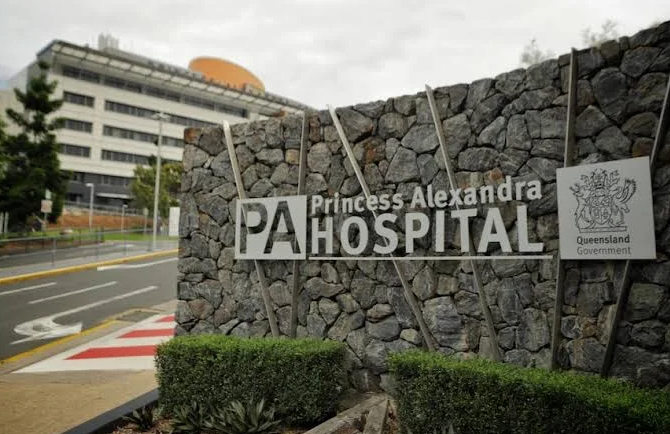
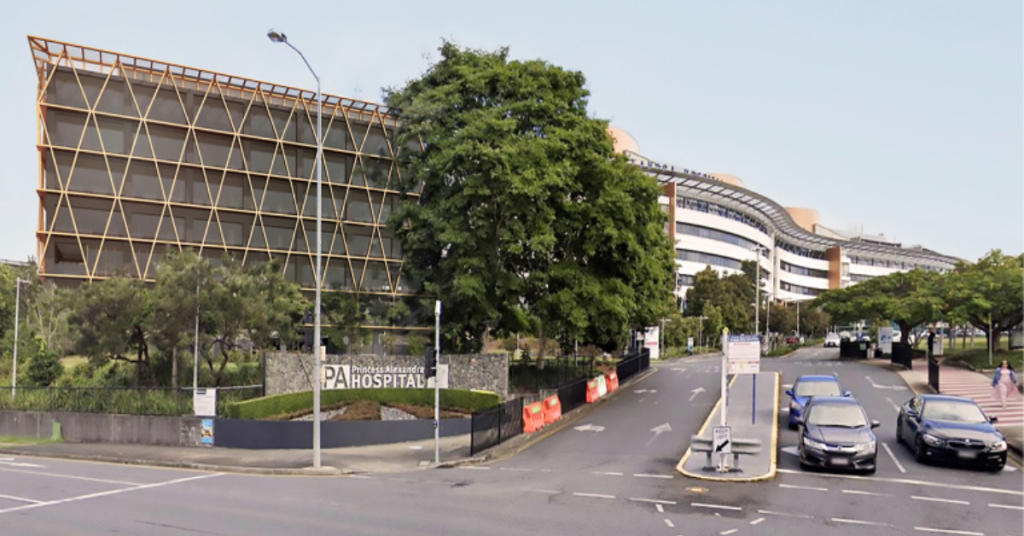
Princess Alexandra Hospital
Photo Credit: Metro South Health/Facebook

Earlier Milestones Leading Into 2025

The March 19, 2026 update follows earlier stroke-care milestones at the hospital.

In December 2024, the unit was certified as a Comprehensive Stroke Unit, becoming the second site in Queensland to achieve that accreditation and one of seven nationally.

In August 2025, the hospital was also recognised under the Australian Stroke Coalition’s Stroke Unit Certification program. It was reported as one of six hospitals in Queensland to receive certification and one of four comprehensive stroke services recognised for stroke care.

Ongoing Recognition For Stroke Care In Woolloongabba

The 2025 award record places Princess Alexandra Hospital among a small group of Australian hospitals to receive four World Stroke Organisation Angels Awards within a single year.


The recognition reflects continued reporting, assessment and coordination across the hospital’s stroke care pathway in Woolloongabba.

Published 26-Mar-2026

Former Woolloongabba Church Turned Family Oasis Hits the Market

A longtime resident of Woolloongabba is preparing to part ways with a former Ukrainian Orthodox church that she transformed into a unique, light-filled family sanctuary.


A French Vision in a Queenslander Capital

church
Photo Credit: Place

When Laurence Somerset moved to Brisbane from Paris, she found herself searching for a style of living that differed from the traditional timber houses common in the area. 

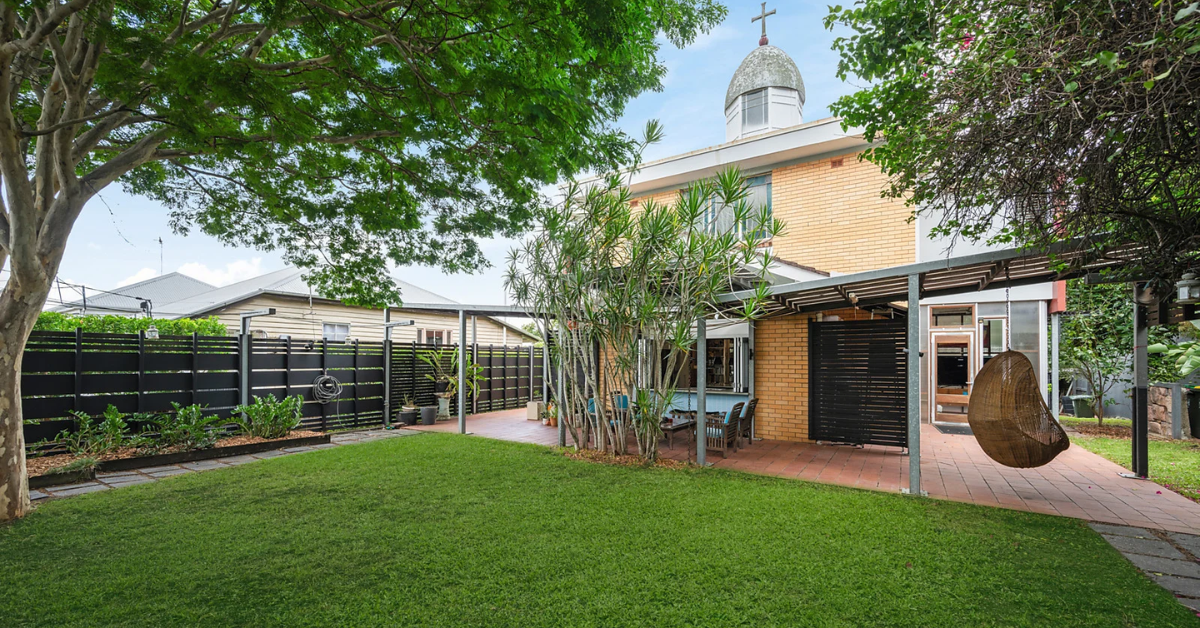
While many locals sought out classic Queenslander architecture, she was drawn to the idea of a European-style loft with significant height and an abundance of natural light. Her search ended at 37 Ross Street, where she discovered a 1972 brick church that offered the expansive white space and vertical volume she had been imagining.

Overcoming the Practical Hurdles

church
Photo Credit: Place

Turning a communal place of worship into a private residence in the mid-1990s presented several immediate challenges. Because the building was still registered as a church and lacked a kitchen, bathroom, or hot water system, the owners initially struggled to secure a standard home loan. 

Despite these obstacles, they moved forward with a vision to repurpose the solid structure. They enlisted the help of local architect David Gole, who later received national recognition for his expertise in heritage conservation, to help navigate the technical transition from a public hall to a liveable home.

Preserving Character while Modernising

church
Photo Credit: Place

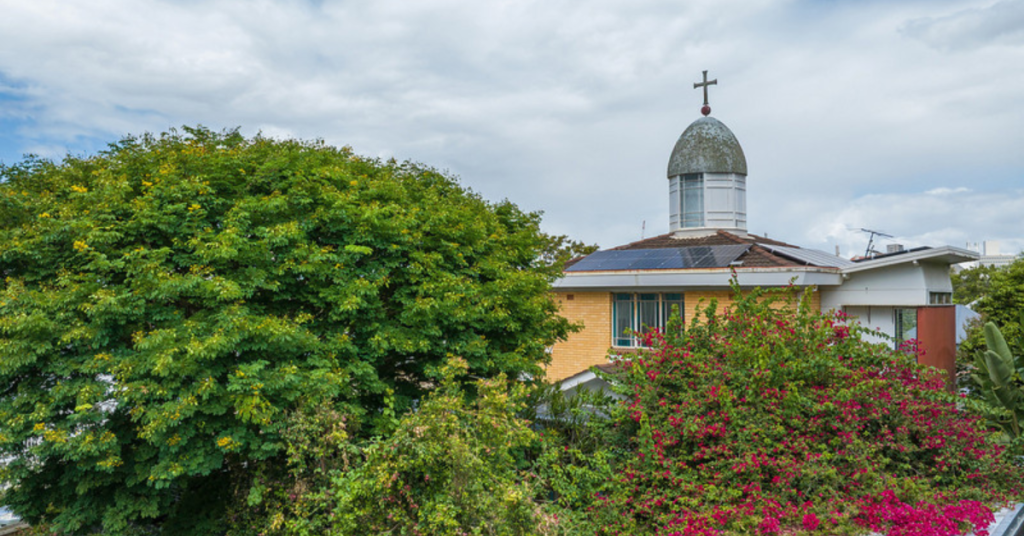
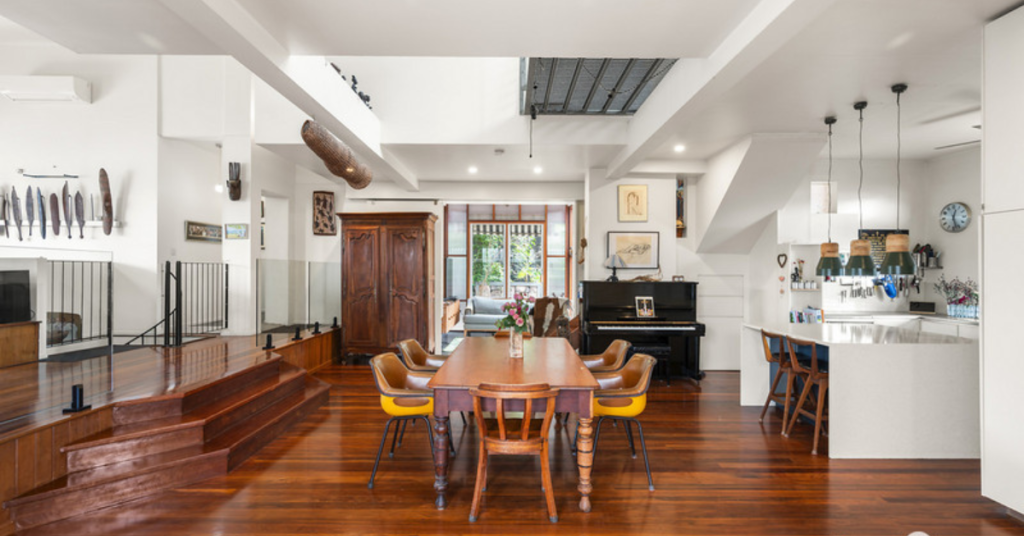
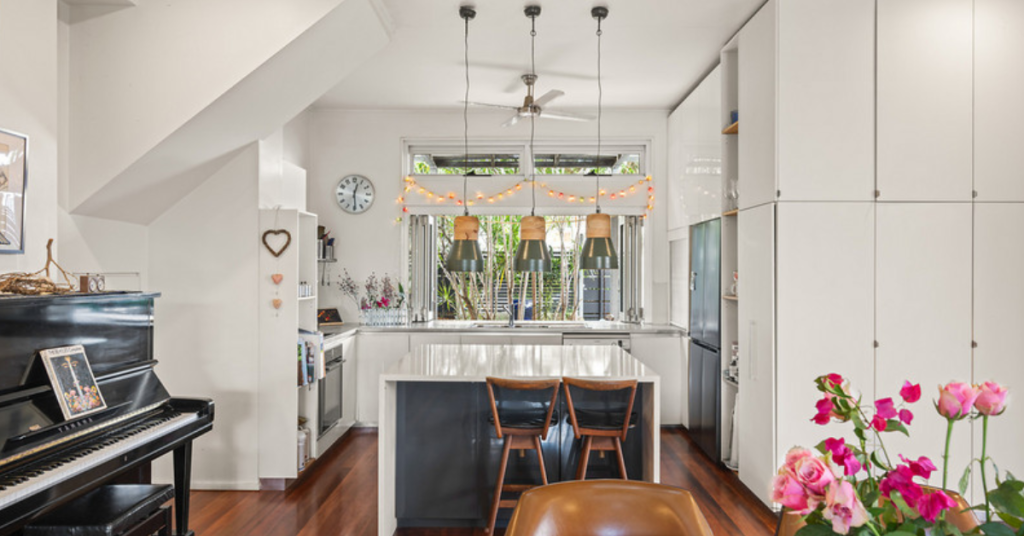
The renovation process was a careful balance of maintaining the building’s history while adding modern comforts. The exterior still features the iconic religious dome and a cross, and the interior retains some of the original altar elements and stained glass. To create a more private atmosphere for a family, the owners built an arbour in the front yard to shield the home from the street. 

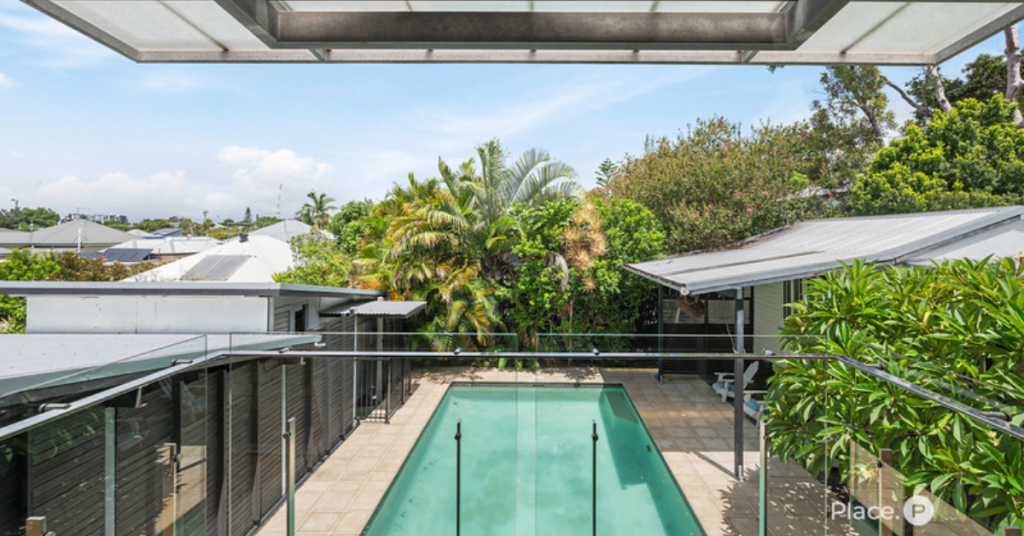
They also added four bedrooms, three bathrooms, and a swimming pool. Even the original outdoor toilet block was given a new life, having been converted into a self-contained studio suitable for music or art.


A Rare Opening in the Local Market

Photo Credit: Place

The property sits on an 809-square-metre block, which is significantly larger than most of the residential lots in the surrounding neighbourhood. Because the building was constructed in the 1970s, it does not fall under the strict heritage protections that prevent the demolition of older pre-1946 homes in the area. This gives the site a unique status in the community, as a new owner could choose to maintain the existing converted church or use the large land parcel as a blank canvas for a new project. After more than three decades of enjoying the happy atmosphere of the home, the owner is now looking to downsize.

Published Date 24-March-2026

Souths Rugby Union Club Opens New Clubhouse at Annerley’s Chipsy Wood Oval

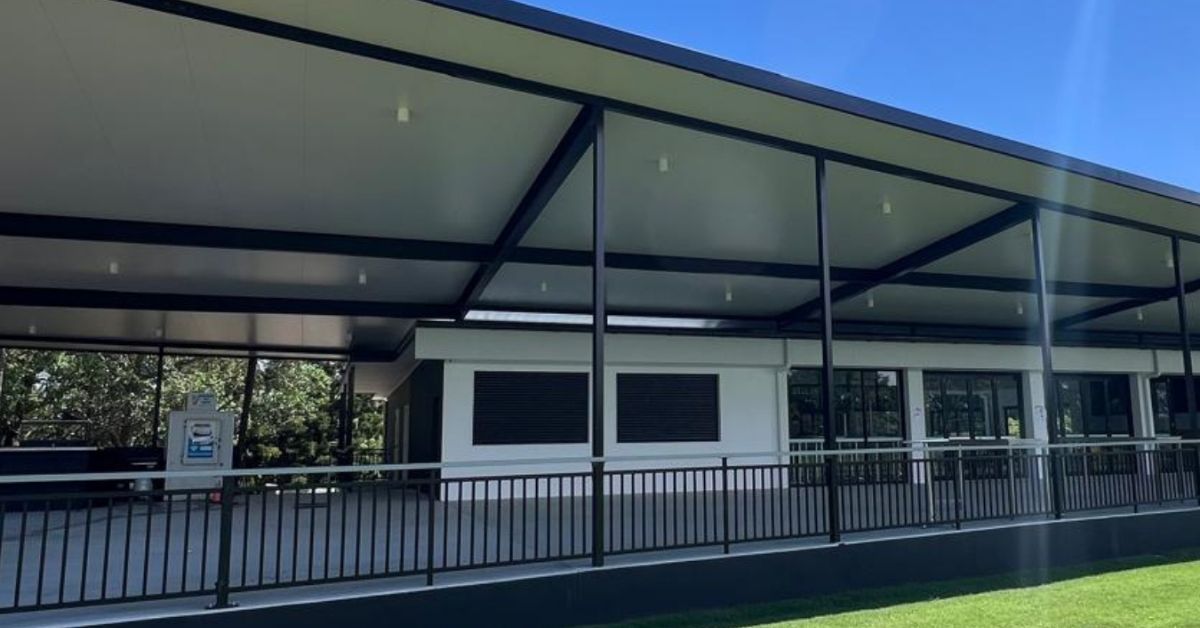
Souths Rugby Union Club has officially opened a new clubhouse and upgraded facilities at its Chipsy Wood Oval home in Annerley, completing a $2.1 million redevelopment that brings the Magpies’ infrastructure into line with the club’s standing as one of Australia’s most decorated rugby union clubs.


The Stage 2 redevelopment received $1 million through the Games On! Grassroots Infrastructure Program, with a further $370,000 contributed toward the upgrades. Combined with Queensland infrastructure funding that supported Stage 1, total contributions from these programmes reached $1.65 million across both stages of the project.

For a club that has been part of Brisbane’s southern suburbs since 1948, the new facilities mark a significant moment in a long and storied history. Souths Rugby Union Club fields players from under-6 all the way through to Premier Grade, and the new infrastructure serves that entire community, from the youngest Magpies taking their first steps on the field to the senior men’s and women’s sides competing at the top level of Queensland rugby.

A Club Built on Decades of Excellence

Founded in 1948, Souths Rugby Club competes in the Queensland Premier Rugby competition and has built a strong reputation as a pathway to elite rugby. The club has produced more than 70 Queensland representatives and over 30 Australian representatives. Souths has secured ten Queensland Premier Rugby premierships, highlighted by a dominant run of five consecutive titles from 1991 to 1995. On the national stage, the Magpies claimed the Australian Club Championship in 1987, further cementing the club’s status as a powerhouse of the sport.

The club has produced five Australian captains: Nev Cottrell, David Codey, Andrew Slack, Tim Horan and Jason Little. Andrew Slack led Australia to their Grand Slam in 1984, one of the most celebrated achievements in Wallabies history, and Tim Horan and Jason Little remain two of the most recognised names in Queensland rugby.

The Junior and Senior clubs merged in 2016, and the club now fields players from under-6 to Premier Grade. Training and matches take place across two locations: Chipsy Wood Oval at 104 Frederick Street in Annerley, and Shaftesbury Street Oval at 111 Shaftesbury Street in Tarragindi. The Annerley site carries particular significance as the club’s senior home, and the new clubhouse redevelopment centres on that ground.

What the New Facilities Deliver

The completed redevelopment delivers a new clubhouse alongside purpose-built female changing rooms, addressing two of the most pressing infrastructure needs that the club had been carrying for some time. The clubhouse upgrade benefits every member of the Magpie community: junior players and their families, senior athletes, coaches, volunteers and supporters who give their time to the club across the season.

A modern, well-equipped clubhouse changes the experience of being part of a club on multiple levels. It provides a comfortable gathering space for families on game day, a functional base for the coaches and administrators who keep the club running and a welcoming first impression for new members considering joining. For junior players especially, the quality of a club’s facilities shapes the overall experience of the sport at a formative age.

Souths Rugby Chair of Building Infrastructure and Community Chris Hourigan described the new facilities as a gamechanger for the club across the board, covering the needs of junior boys and girls and senior women and men alike, as well as volunteers and supporters. He acknowledged that the full scope of the redevelopment would not have been achievable without the combined funding support the club received.

Why This Matters to the Annerley Community

For residents of Annerley and the surrounding southern suburbs, Souths Rugby Union Club is more than a sporting organisation. Chipsy Wood Oval has been a fixture of the local landscape for decades, and the club’s junior programme has introduced generations of local children to rugby union, providing them with coaching, teamwork and community in a suburb-level setting that no stadium or elite programme can replicate.

The new clubhouse strengthens that community function at every level. It gives the Magpie Army a home they can be proud of, supports the volunteers whose efforts sustain grassroots sport week after week and signals to families across the southern suburbs that Souths Rugby is invested in its future. With Brisbane building toward the 2032 Olympics and rugby union enjoying growing participation across Queensland, the timing of the Annerley upgrade positions the club well to attract the next generation of players and continue its long tradition of producing representative talent.

For more information about joining Souths Rugby Union Club or attending matches at Chipsy Wood Oval, visit southsrugby.com or call the club on (07) 3848 3215.


Published 17-March-2026.

Tough Lesson at the Gabba: Why Brisbane’s Statistical Edge Still Slipped Away

For three quarters, it looked like business as usual for the Brisbane Lions.

Then the Bulldogs exploded.

A seven-goal final quarter stunned the Gabba crowd and ripped the game from the reigning premiers’ grasp, turning a 26-point Brisbane lead into a five-point Western Bulldogs victory, 16.15 (111) to 15.16 (106).

Despite controlling territory and winning the clearance battle, the Lions were ultimately undone by the Bulldogs’ clinical finishing and a surge of late-game momentum.

A Night That Got Away

For three quarters on Saturday night, the 31,606 fans at the Gabba looked set to witness a familiar sight. The Brisbane Lions, the reigning premiers, appeared to be tightening their grip on the Western Bulldogs after a five-goal burst midway through the third term. When the margin stretched to 26 points late in that quarter, it felt like Brisbane were settling into the season exactly where they left off.

Then the game turned.

The Bulldogs produced a seven-goal final quarter that stunned the home crowd and flipped the result, securing a 16.15 (111) to 15.16 (106) win in a dramatic finish.

For Lions supporters, it was a frustrating one because Brisbane did many things right. The numbers suggested control, yet the four points slipped away in the final term.

When Territory Doesn’t Tell the Whole Story

A quick look at the stats sheet still paints a picture of a Brisbane side that largely dictated play.

The Lions finished with 63 inside 50s to the Bulldogs’ 50 and held a +5 advantage in clearances. Those are the sorts of numbers that normally translate into wins.

But the Bulldogs made their opportunities count.

At half-time they actually had more scoring shots (15) than Brisbane (13) but had been inaccurate early (5.10). By the final quarter they had steadied, finishing with a sharp scoring profile and converting on 62 percent of their inside-50 entries compared to Brisbane’s 49 percent.

“I look at the stats… and there’s so much green for us. We won territory, we won contested possession, clearances we won by five… but it was all about making the most of our chances, and they did that better than we did,” Chris Fagan said.

Fagan’s point is hard to argue with. Brisbane created the game on their terms for long stretches, but the Bulldogs punished them quickly when momentum shifted late.

Brisbane Lions

A Couple of Worrying Moments

The result was tough enough on its own, but the Lions may also face a few selection headaches heading into next week.

Co-captain Harris Andrews could come under Match Review scrutiny after a third-quarter incident that left Bulldogs forward Arthur Jones concussed following a spoil attempt where Andrews’ arm made contact with the young forward’s face.

At the same time, fellow co-captain Hugh McCluggage lasted only 20 minutes before leaving the field with a low-grade calf strain.

If both players miss time, Brisbane may head to Sydney next week without two of the team’s most important leaders, which would test the squad’s depth early in the season.

Credit Where It’s Due

The Bulldogs deserve recognition for the way they stayed in the fight.

Late goals from Sam Darcy and Bailey Williams near the end of the third quarter helped shift the momentum and gave the visitors belief heading into the final break. Once the pressure lifted, they played with confidence and finished the job.

For a team criticised last season for struggling against top sides, the win suggested they may have taken a step forward.

Strong Performances on the Night

Ed Richards was a major influence with 30 disposals, two goals and a game-high 16 score involvements.

Marcus Bontempelli again showed his class with three goals and steady leadership through the midfield.

Rory Lobb, playing his 200th game, had several crucial intercepts in defence late in the match.

For Brisbane, debutant Zane Zakostelsky provided a memorable moment with a goal from the square after a 50-metre penalty, a bright note on a frustrating night.

Still a Long Season Ahead

The Opening Round rarely defines a season, but it can offer a reminder of how fine the margins are.

Brisbane controlled much of the match but were unable to close it out, something the coaching group will no doubt address quickly before next week’s trip to the SCG.

The Lions have built their recent success on resilience and structure. One disappointing final quarter doesn’t erase that foundation.

But it does serve as an early reminder that in a tight competition, games can turn quickly — and finishing strongly matters just as much as starting well.

Published 9-March-2026

Yeerongpilly Bus Route 107 Records Brisbane’s Biggest Passenger Surge After Network Overhaul

Route 107, which connects Yeerongpilly to the Brisbane CBD via Boggo Road busway station and South Bank has recorded a 190 per cent surge in passengers. This is the biggest jump of any bus route in the city, in the seven months since Brisbane’s new bus network launched in mid-2025.


Read: Brisbane Metro to Begin Permanent Operations in 2025: What it Means for Commuters in Yeronga and Fairfield Areas


It is a remarkable result for the inner south corridor, and one that follows the route’s conversion to an all-day service.

The network shake-up that changed everything

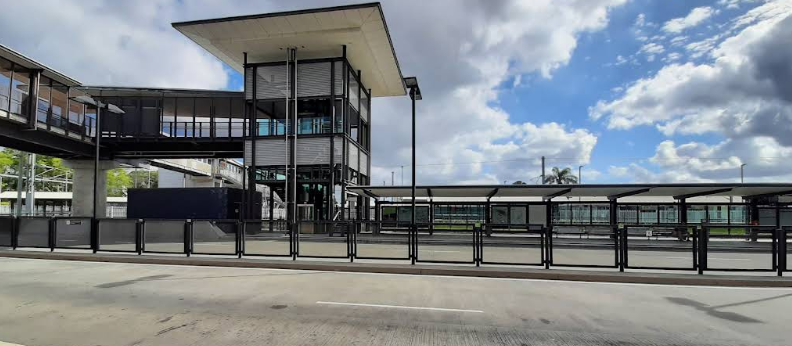
Boggo Road busway station (Photo credit: Google Maps/Eldho Alias)

The transformation of Route 107 was part of a sweeping overhaul of Brisbane’s bus network in mid-2025. The route was realigned and converted to an all-day service operating between Yeerongpilly and the city via Boggo Road busway station and South Bank.

Brisbane reported that more than 51.2 million bus and Metro trips were taken across the network in the first seven months of the new timetable, which is a 10 per cent increase on the same period the year before. Since the start of 2024, Brisbane bus trips have grown by 27 per cent overall.

BCC estimates that the surge is the equivalent of 3.9 million private car trips being taken off the road, based on an average of 1.2 occupants per vehicle.

Cr Adrian Schrinner said every extra person on a bus or Metro is one less person in a car in peak-hour traffic, which means less congestion, safer roads and shorter travel times for everyone.

Other big movers

Route 107 wasn’t alone in posting impressive numbers. Several other routes recorded significant patronage increases after being redesigned or extended:

The 171, rerouted through Mount Gravatt with higher frequency and longer operating hours, was up 115 per cent. The 205 from Carindale Heights, converted from a peak-only to an all-day service, grew by 97 per cent. The 131 from Parkinson and the 185 from Upper Mount Gravatt — both formed through route mergers — each recorded a 64 per cent increase. The 116, extended to Upper Mount Gravatt, posted a 47 per cent gain.

A bumpier ride for some

Despite the headline numbers, the overhaul has left gaps in coverage that some residents say disadvantage those without access to a car.

One Moorooka resident noted that the 116, while extended to Upper Mount Gravatt, was limited to every 30 minutes during peak hour and ran only hourly on Saturdays, with the last city service at 7pm and no Sunday services at all. They said the changes had left residents who don’t drive worse off, and that nearby routes including the 125 and 110 also fell short, not running late enough to be genuinely useful.


Read: Proposed Changes to New Bus Network Impact Dutton Park State School, Other Schools


About Brisbane’s new bus network

Photo credit: Brisbane Metro

The bus network redesign was one of several significant public transport changes in the past two years. The 50-cent fares were introduced by the state Labor government in August 2024. The first Metro service became permanent in January 2025. The new bus network launched in mid-2025. The Adelaide Street tunnel opened in September 2025.

Brisbane’s bus network moves around 80 million people each year and accounts for more than two-thirds of the city’s public transport.

Whether the gains continue will likely depend on how well the network addresses the gaps that remain.

Published 6-March-2026

Dutton Park Research Links Tick Bites to Heart Disease and Meat Allergies

Scientists at the Dutton Park Ecosciences Precinct have discovered that a single bite from a common coastal tick is triggering a life-altering red meat allergy that may also be a hidden driver of heart disease across Australia.


A Growing Threat Along the Coast

tick
Photo Credit: CSIRO

In early 2025, Queensland resident Matt Jacobs found that eating beef or lamb made him feel incredibly ill. After his sister researched his symptoms online, a doctor confirmed he had mammalian meat allergy, also known as alpha-gal syndrome. This condition occurs when the immune system is reprogrammed by the saliva of an Eastern paralysis tick. These ticks are mostly found along the east coast, stretching from North Queensland down to Victoria. 

Since 2020, the number of people testing positive for the allergy has climbed by about 40 per cent each year. While much of this increase comes from better testing and awareness, researchers believe more people are getting sick due to wet summers that help tick populations grow.

Beyond the Dinner Plate

The allergy is more than just a change in diet. For people like Mr Jacobs, it means avoiding soaps, lotions, and even certain medicines that use animal products. The reaction is often delayed by three to six hours, which makes it hard for people to realise that their dinner is causing their hives or breathing problems. Tragically, the risks are real. 

In 2022, a New South Wales teenager named Jeremy Webb became the first Australian confirmed to have died from an allergic reaction caused by the syndrome. Beyond immediate allergy risks, Dr Alexander Gofton and his team at the Dutton Park office are investigating a link to heart health. They found that people having heart attacks were 12 times more likely to have the specific antibodies for this allergy, even if they did not know they were allergic to meat.

Prevention and Community Awareness

tick
Photo Credit: CSIRO

There is currently no cure or vaccine for the condition, so health experts are pushing for better education. Professor Sheryl van Nunen has compared the need for tick safety to the famous SunSmart campaigns used for skin cancer. She noted that the allergy can sometimes fade over three or four years if a person manages to avoid getting bitten again. 

To stay safe, residents are encouraged to wear long sleeves and light-coloured clothing when gardening or walking in the bush. Using insect repellent with DEET is also highly recommended.


Proper Tick Removal

If a tick is found on the skin, experts warn that it should never be pulled out with regular tweezers. Squeezing the tick can force more of the allergen into the body. Instead, the advice is to freeze the tick where it is using a special spray before carefully removing it with fine-tipped forceps. If a person feels sick or itchy after eating meat, they should speak to a doctor about being tested. The CSIRO is currently working with the Australian Red Cross Lifeblood to study thousands of blood samples to see how many Australians might be at risk without knowing it.

Published Date 04-March-2026

PA Hospital’s Spinal Injuries Unit Completes Bedside Technology Rollout as Part of Major Rehabilitation Upgrade

The spinal injuries unit at Princess Alexandra Hospital has completed the installation of a bespoke patient experience system across its 40-bed ward, giving patients with spinal cord injuries access to upgraded bedside technology designed specifically for varying levels of upper limb function.


The rollout was completed in January 2026 as part of the Queensland Spinal Cord Injury Service Enhancement Project, a multi-stage upgrade of Queensland’s only specialist spinal injuries rehabilitation unit. The system was developed by Rauland Australia in collaboration with technology experts, patient advocates, consumers and clinical staff at the hospital.

What the New System Provides

The Patient Experience System delivers upgraded screens, computer functionality and touchscreen capability from the bedside, along with an adaptable menu covering entertainment, connectivity with family and friends, and nurse call capacity. The system includes accessibility features tailored to patients with higher levels of spinal injury, including sip-puff navigation and touchpad controls that allow patients with limited or no hand function to operate the system independently.

QSCIS Enhancement Project clinical lead Beth Walter said the installation is a pilot for hospital settings, reflecting the complexity of meeting the technology needs of a highly specialised ward. Walter said the team spent considerable time ensuring the functionality worked correctly across all devices, and that the collaborative process between consumers, clinicians and technology providers was central to the result.

Part of a Broader Rehabilitation Upgrade

The bedside technology installation is the latest in a series of enhancements to the spinal injuries unit under the QSCIS Enhancement Project. Earlier stages of the project delivered a renovated and relaunched dining room and kitchen, which reopened in late 2025 with internal ward access and improved communal space for patients undergoing long-term rehabilitation. The physiotherapy team also received new equipment earlier in 2025, including a TyroMotion Lexo robotic gait training machine, a HUR resistance machine and a NuStep unit.

Spinal Cord Injury Service Delivery Model
Photo Credit: Queensland Health

The TyroMotion Lexo enables therapists to support neurological patients through simulated walking, improving strength, circulation, muscle tone and cardiovascular fitness while reducing falls risk. Together, the equipment and facility upgrades represent a sustained investment in the rehabilitation environment for patients who may spend extended periods in the unit during recovery.

The Princess Alexandra Hospital provides statewide spinal injury services and is one of Queensland’s two largest tertiary referral hospitals. It sits on Ipswich Road, Woolloongabba, near the Annerley and Dutton Park borders, and is accessible via public transport on multiple bus routes and the nearby Dutton Park train station.

Further Information

Further information about the spinal injuries unit and the Queensland Spinal Cord Injury Service is available at metrosouth.health.qld.gov.au. The Princess Alexandra Hospital is located at Ipswich Road, Woolloongabba QLD 4102.


Published 3-March-2026.

South Brisbane Sports Results Feb 20-22


 Sat, February 21, 2026 (Allianz Stadium) – A-League – Men – Round 18
• Sydney FC 1  |   Brisbane Roar FC 0

Sun, February 22, 2026 (Spencer Park) – A-League – Women – Round 18
• Brisbane Roar FC 0  |   Adelaide United FC 2


Fri, February 20, 2026 (Bulimba Memorial Park – Southside Eagles FC – Field 1) – Kappa Pro Series – Women – Regional Round 1
• Southside Eagles 0  |   UQFC 0

Sat, February 21, 2026 (Maroochydore Swans FC – Field 1) – Kappa Pro Series – Women – Regional Round 1
• Maroochydore FC 2  |   Annerley FC 3


Sun, February 22, 2026 (Meakin Park – Field 1) – NPL – Men – Round 1
• Brisbane Roar B 1  |   Brisbane City 3

Sat, February 21, 2026 (Goodwin Park – Olympic FC – Field 1) – NPL – Men – Round 1
• Olympic FC 2  |   Lions FC 1

Sat, February 21, 2026 (Goodwin Park – Olympic FC – Field 1) – NPL – Women – Round 3
• Olympic FC 0  |   Lions FC 0

Sun, February 22, 2026 (Wakerley Park – Souths United FC – Field 2) – NPL – Women – Round 3
• Souths Strikers 1  |   Gold Coast United 1


Fri, February 20, 2026 (Brisbane Entertainment Centre) – NBL – Men – Round 22
• Brisbane Bullets 77  |   Sydney Kings 117


Sat, February 21, 2026 (The Gabba) – One Day Cup 2025-26 – Men – Match 6
• Queensland Bulls 260  |   South Australia Men 135


Yeronga State High School Becomes One of Australia’s First to Offer Hot Vending Machines at Tuckshop

Yeronga State High School has installed hot food vending machines at its tuckshop, making it only the second school in Australia to offer the technology to give students access to fresh, hot meals without the wait.


The machines operate alongside the school’s existing tuckshop service, helping ease congestion during busy lunch breaks. Students can now pick up a hot meal quickly and spend more of their break time doing exactly that, rather than standing in queues. The initiative reflects a broader push at Yeronga SHS to pair quality food with practical, forward-thinking solutions for a school community of around 950 students located just five kilometres from the Brisbane CBD.

A Tuckshop That Already Goes Above and Beyond

The vending machines build on what is already a well-regarded tuckshop operation at Yeronga SHS. The school’s tuckshop team prepares fresh lunches daily and has earned a reputation among students and families for personalised, friendly service, with staff who know students by name. Orders for hot food are placed in advance through the Qkr! app by 8:30am each school day, a system the school introduced to reduce food waste and streamline service. The new vending machines add a complementary option for students who may not have ordered ahead or who simply want a fast, convenient alternative during the school day.

The tuckshop also moved to online ordering for hot food to cut down on waste, a decision that reflects the same practical, sustainability-minded thinking that sits behind the vending machine rollout.

Innovative Technology in a Diverse School Community

Yeronga State High School opened in January 1960 and has grown into one of Brisbane’s most culturally diverse secondary schools, with students from a wide range of backgrounds. The school offers specialist academies in STEM, the arts, athletics and Spanish, alongside strong academic and vocational pathways. That culture of innovation extends to how the school supports students day to day, and the hot food vending machines sit squarely within that ethos.

Hot food vending machines remain rare in Australian schools. While cold snack and drink machines have become increasingly common on school campuses over the past decade, technology capable of dispensing genuinely fresh, hot meals is a different proposition entirely. The distinction matters for parents and students alike, particularly at a school where lunchtime nutrition supports a full afternoon of learning.

What It Means for Students and Families

For the Yeronga and Annerley community, the new machines offer a practical benefit on busy school mornings when packing lunch or placing an app order before 8:30am does not always happen. Students can access a hot, freshly prepared meal directly from the machine, quickly and independently, and still have time to enjoy the rest of their break.

Families wanting to learn more about the tuckshop, including the Qkr! app ordering system and the full menu, can visit the Yeronga SHS tuckshop page at yerongashs.eq.edu.au or contact the tuckshop convenor on (07) 3249 1416.


Published 23-February-2026.

Recall Alert: Milo Snack Bars Stocked at Coles, Woolworths and ALDI Amid Contamination Warning

A popular school lunchbox staple has been pulled from shelves across Coles, Woolworths and ALDI, after pieces of black rubber were discovered in some Milo snack bars, prompting a nationwide recall and health warning for consumers.

Food Standards Australia and New Zealand (FSANZ) issued the recall notice for selected batches of Nestlé’s Milo Dipped Snack Bars and Milo Original Snack Bars, citing the presence of foreign matter that may pose a risk of illness or injury if consumed.

The affected products were sold at major retailers including ALDI, Coles, Woolworths and independent stores such as IGA across New South Wales, Queensland, Victoria, Tasmania, South Australia and Western Australia, as well as through online outlets.

Authorities warned consumers not to eat the products and advised returning them to the place of purchase for a full refund.

“Food products containing black rubber may cause illness or injury if consumed,” FSANZ said in its notice, urging anyone concerned about their health after eating the bars to seek medical advice.

Manufacturing fault behind contamination

Nestlé Australia said the issue was linked to an equipment failure at a contract manufacturing facility, which caused small pieces of black rubber to become dislodged during production.

The company has not reported any confirmed injuries linked to the contamination but said the recall was issued as a precautionary measure to protect consumer safety.

Food recalls are typically initiated when foreign materials — including plastic, rubber or metal fragments — are detected in food products, as they can present choking hazards or cause internal injury.

Products affected

The recall applies to the following items with best-before dates of end August 2026:

  • MILO Dipped Snack Bars — 270g, 960g and 160g boxes (batches 5316TD15, 5317TD15, 5318TD15, 5321TD15, 5322TD15)
  • MILO Snack Bars Original — 210g box (batches 5323TD15, 5324TD15)

Consumers who have purchased the affected products are urged to check packaging for the specified batch numbers.

Photo Credit: Food Standards Australia

Consumer advice

Authorities say customers should avoid consuming the recalled snack bars and return them to retailers for a refund. Anyone experiencing symptoms or concerned about potential exposure should consult a health professional.

Further information is available through Nestlé Australia’s customer service lines or the Food Standards Australia and New Zealand food recall website.

The recall highlights ongoing food safety monitoring processes designed to identify and remove potentially hazardous products from the market.

Published 20-Feb-2026