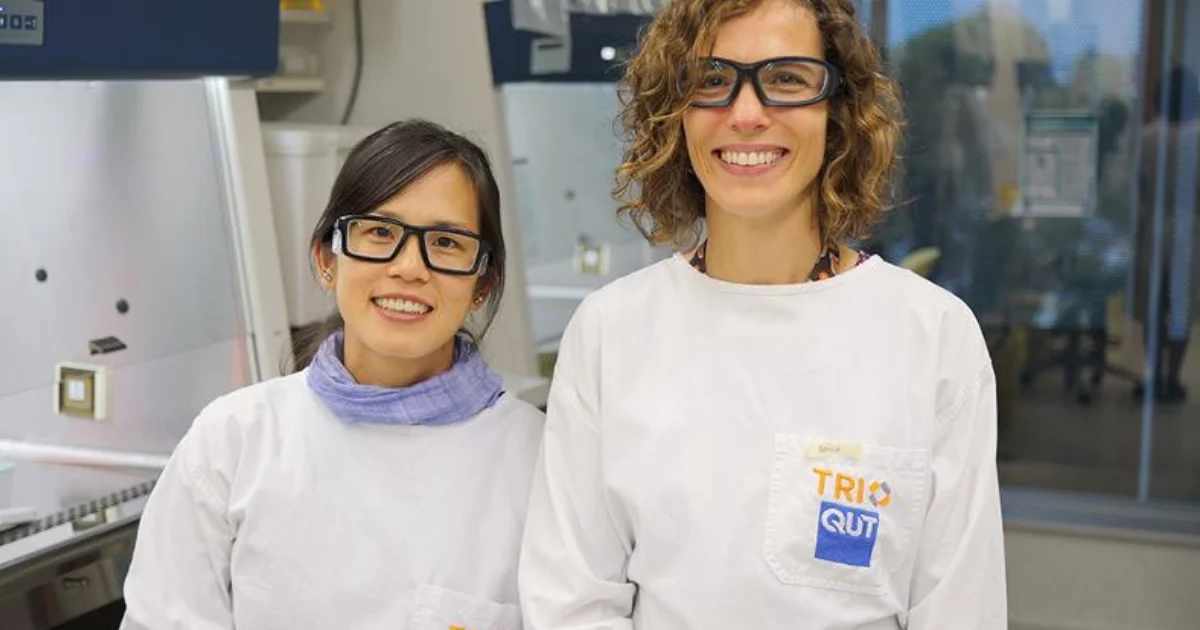
Researchers at the Translational Research Institute (TRI), based at the Princess Alexandra Hospital in Woolloongabba, have discovered that peptides derived from a crab and a spider may offer a pathway to overcoming drug resistance in advanced melanoma.
Read: Princess Alexandra Hospital Celebrates 40 Years of Life-Saving Liver Transplants
The QUT-led team modified natural antimicrobial peptides from the Brazilian tarantula and the Japanese horseshoe crab and found they were able to kill resistant melanoma cells in both laboratory and mouse models. Crucially, the cancer cells did not develop resistance to the treatment, a significant breakthrough given that most cancers eventually adapt to existing therapies.

Published in the journal Pharmacological Research, the pre-clinical study revealed that peptides attack melanoma cell membranes without harming healthy cells. Associate Professor Sonia Henriques, the study’s senior author, said the results are exciting because the peptides worked against proliferative, dormant and therapy-resistant melanoma cells.
“Nature designed these peptides to fight bacterial infection by targeting the cell membranes of the bacteria. We have modified the peptides and applied them to cancer cells to act in a similar way and attack the cancer cell membrane without impacting non-cancerous cells,” A/Prof Henriques said.

The work represents ten years of research and is now focused on refining the molecules to make them more potent and capable of penetrating cells to block cancer progression pathways. Human clinical trials remain at least five years away, depending on funding and further pre-clinical testing.
Dr Aurelie Benfield, the study’s first author, said the discovery demonstrates how evolution in nature can inspire modern medical breakthroughs. “It is amazing because there are so many peptides in nature and they inspire us as scientists to modify them and make them even more potent and stable,” Dr Benfield said.
Read: Woolloongabba Centre Powers Queensland’s Landmark Count of Metastatic Breast Cancer Patients
The Translational Research Institute is a collaboration between Queensland Health, The University of Queensland, QUT and Mater Research. Supported by the Queensland Government, it will also open Australia’s first biomedical manufacturing facility for early-stage biotech companies in 2026, further strengthening the state’s capacity to advance new therapies from discovery to development.


Published 19-August-2025