



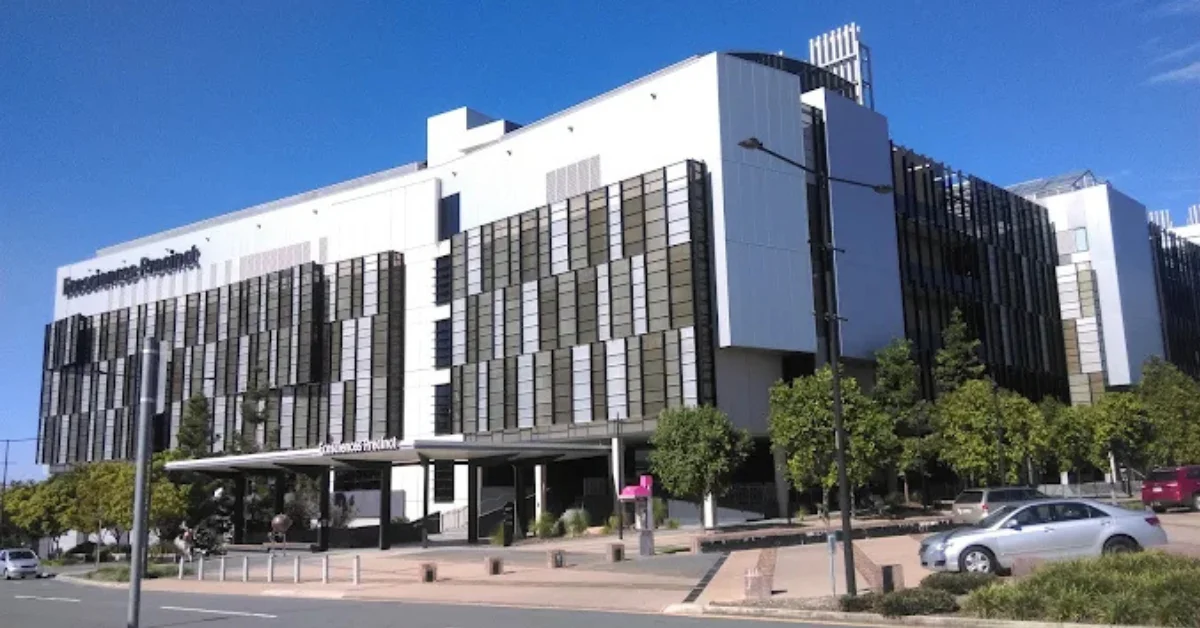
Boggo Road Innovation Junction (BRIJ), which spans the Dutton Park and Woolloongabba area, brings researchers, clinicians, entrepreneurs and industry together in a Brisbane health and life sciences precinct.
Read: Ecosciences Precinct: A Hub For Innovation In Environmental Sciences
The 39-hectare precinct sits about 5km from Brisbane CBD and forms part of Brisbane’s knowledge corridor. It brings together major organisations including Princess Alexandra Hospital, the Translational Research Institute, the University of Queensland’s Dutton Park campus, Queensland University of Technology, the Ecosciences Precinct and Patheon by Thermo Fisher Scientific.

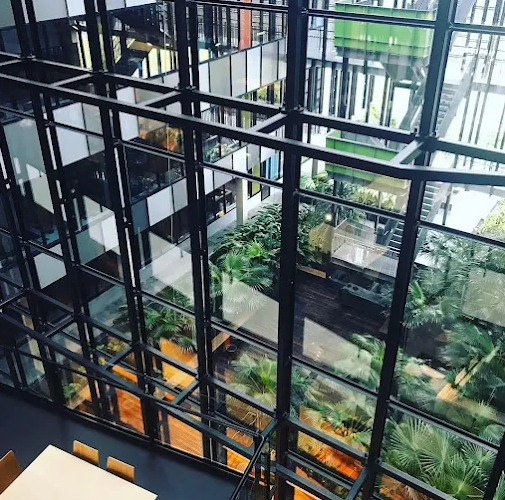
BRIJ describes its network as an interconnected community focused on advancing human and planetary health through technologies that accelerate scientific discovery and commercialisation. Its work spans healthcare, environmental sciences and related areas of research and innovation.
BRIJ reports more than 13,000 scientists, clinicians, support staff and students across the precinct, along with more than 200 active clinical trials. Princess Alexandra Hospital reports more than 719,000 patient services annually.
Connecting research with commercialisation
What happens after a promising scientific discovery? Turning research into something that can be tested, manufactured and eventually brought to market requires more than laboratory work.
BRIJ’s model is built around connecting those stages. The precinct includes research facilities, clinical infrastructure, university collaboration hubs and advanced manufacturing capabilities. BRIJ says its ecosystem is designed to encourage idea exchange and collaboration between the organisations working across the site.

Those organisations include the Translational Research Institute, Princess Alexandra Hospital and the University of Queensland’s Dutton Park campus, alongside other research, education and commercial organisations.
For emerging life sciences businesses, having these capabilities within the same precinct can provide access to specialised facilities and expertise as projects move towards clinical research and commercialisation.
BRIJ also identifies flexible workspaces, shared facilities and infrastructure for growing organisations as part of its development. Its facilities include the Translational Research Institute, ENTRI, the Ecosciences Precinct and Patheon by Thermo Fisher Scientific.
The focus is on translation. BRIJ says it aims to accelerate scientific discovery and commercialisation, while its network brings together research talent, business expertise and policy leaders.
A connected future for Boggo Road

The scale of the precinct provides Brisbane with a substantial concentration of life sciences expertise and infrastructure. According to BRIJ, the precinct accounts for more than $270 million in annual research and development investment, while BRIJ start-ups raised more than $400 million between 2021 and 2025. BRIJ also reports more than $35 million in annual royalties from innovations at the precinct.
It reports more than 100 years of healthcare delivery and clinical innovation associated with the area. Its location is another part of the picture. BRIJ sits within Brisbane’s knowledge corridor, with the CBD nearby and connections to other research, healthcare and education precincts across the city.
Cross River Rail will include a new Boggo Road Station, adding a rail connection to the precinct and linking it with Brisbane’s wider rail network. For Dutton Park, Woolloongabba, and surrounding suburbs such as Annerley, the precinct places a large network of scientific, health and research organisations in the local area.
BRIJ’s focus reflects the broader challenge of translating scientific discoveries into commercially successful products. The precinct’s model brings research, clinical expertise, business capabilities and industry connections together to support that process.
By bringing scientists, clinicians, entrepreneurs and industry together, BRIJ is intended to make those connections easier and help promising ideas progress from research towards real-world applications.
Read: Dutton Park Research Links Tick Bites to Heart Disease and Meat Allergies
With more than 13,000 scientists, clinicians, support staff and students across the precinct and major health, research and commercial organisations operating within the 39-hectare development zone, BRIJ brings together a substantial network of life sciences and innovation organisations. The precinct forms part of Brisbane’s growing life sciences sector.
Published 19-August-2026