



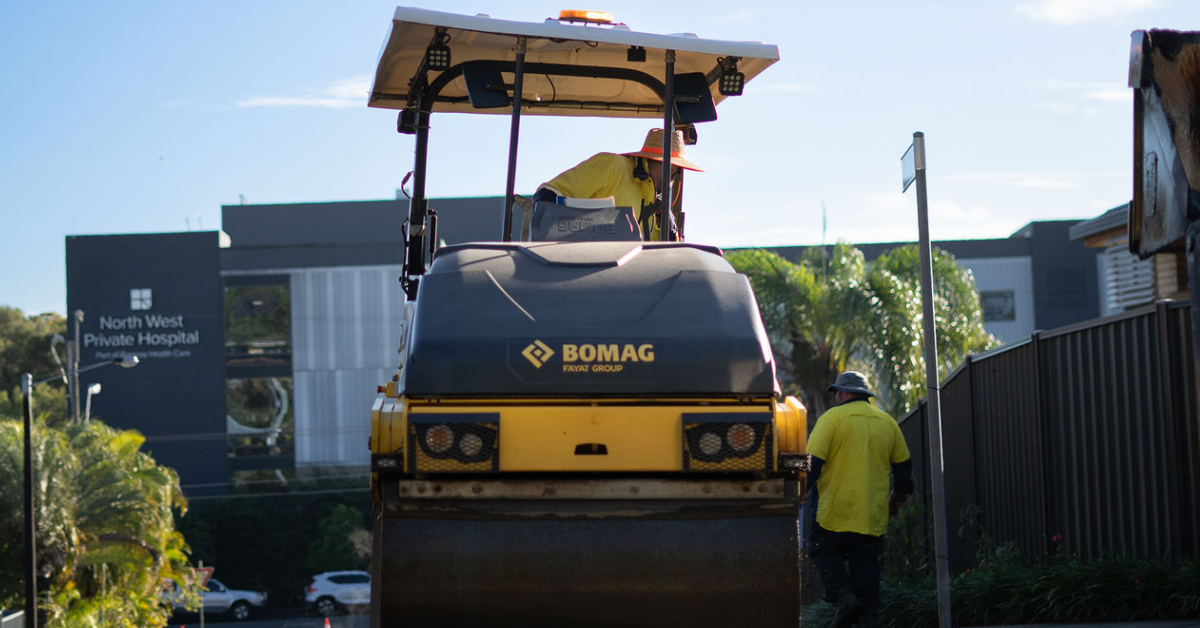
Drivers navigating the heavily damaged surface of Ipswich Road in Annerley are finally in line for smoother trips as local officials prepare a massive transport infrastructure package funded by incoming rate hikes.
The Cost of Smooth Roads
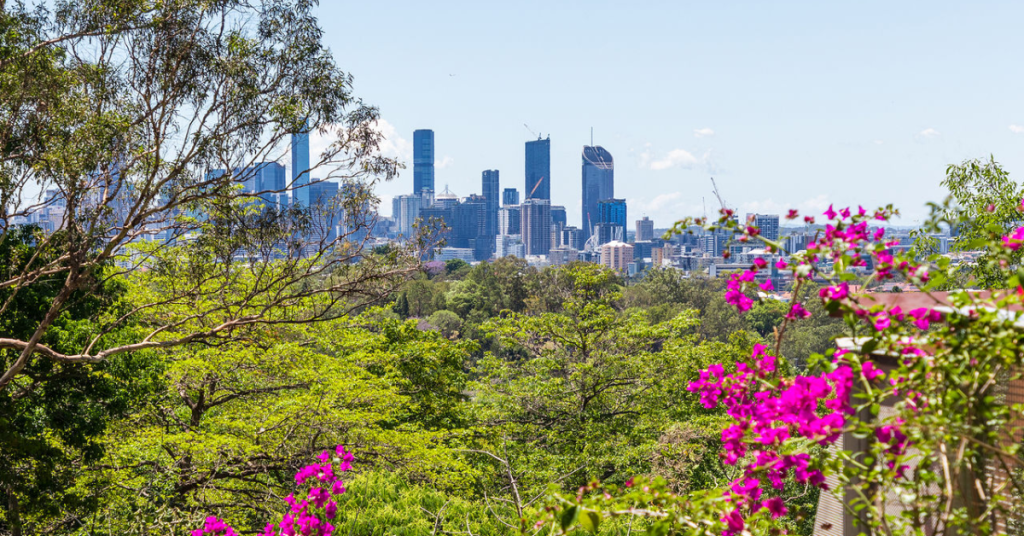
Homeowners across the city will soon experience a property rate increase of at least 3.97 percent, with certain suburbs facing jumps as high as 7.5 percent. The minimum council rate for residents will be set at $948.64, though the exact average for each suburb will be confirmed when the city budget is officially released on Wednesday.

Leaders have described the upcoming budget as an exercise in tight financial management, highlighting a recent debt reduction of $200 million. The Lord Mayor noted that lowering the city’s debt has successfully reduced interest payments, which allows local rates to remain lower compared to neighbouring regions.
Paving the Way Forward
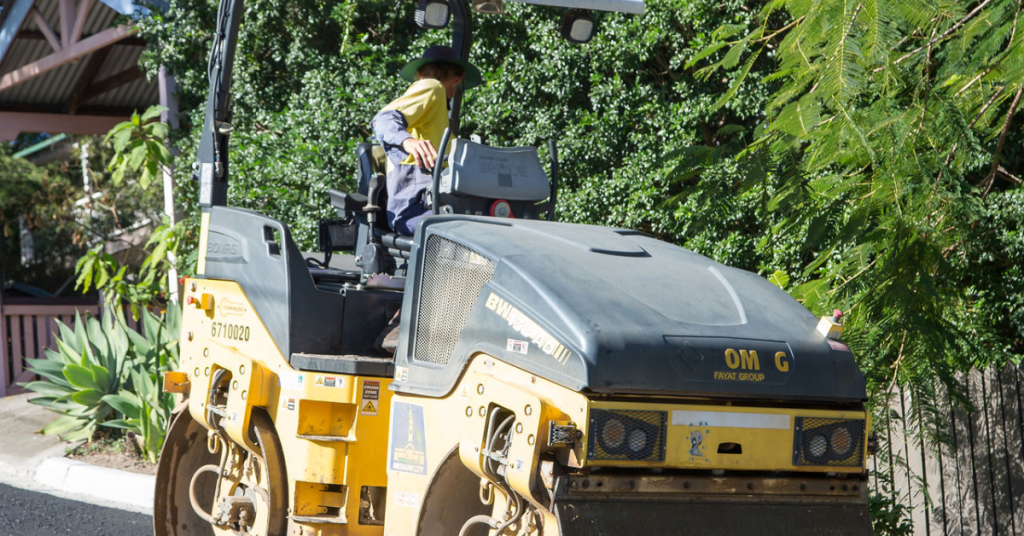
A major highlight of the new financial plan is a $110 million road improvement project aimed at repairing the city’s deteriorating street surfaces. This initiative is expected to bring significant relief to busy corridors like Ipswich Road in Annerley, which currently suffers from severe wear and tear due to high daily traffic volumes.
The new resurfacing project builds on a recent pothole repair campaign that managed to fix a street defect every two minutes during its peak. Another urgent priority for the road crews is the southern approach to the Story Bridge. The council recently had to take emergency action and close the bridge’s footpaths out of fear that loose concrete chunks might fall onto boats passing below in the river.
Easing Suburban Congestion
The local government is pouring a total of $1.9 billion into overall transport and infrastructure improvements. The investment covers major suburban upgrades, including intersection works in Inala and Coorparoo, a new pedestrian crossing in Bald Hills, and continued progress on the Beams Road corridor. To further ease traffic, Vulture Street in West End will be converted into a clearway, banning street parking during peak travel times.

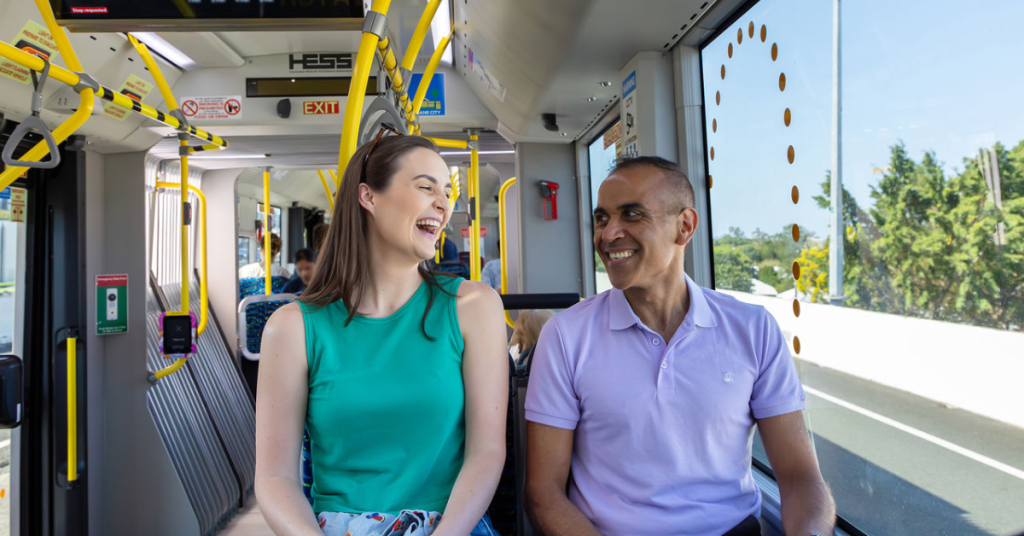
While officials state that similar clearway zones have saved drivers thousands of hours in delays, some local business owners have reported a drop in daily trade. Public and active transport are also receiving a major funding boost. A record $213 million will be used to support bus, ferry, and Brisbane Metro services, while another $63 million is set aside for new bikeways and footpaths. Millions more will be dedicated to creating safer school zones in several suburbs.

Calls for Greater Support
Despite the massive local investment, city leaders are actively calling for more financial help from the federal government. The Lord Mayor expressed frustration that local councils collect only a tiny fraction of the nation’s tax money yet are responsible for delivering a large portion of daily community services.
He pointed out that while Brisbane and Perth are the only capital cities seeing a large influx of new residents from other states, federal infrastructure dollars are flowing to other locations. Opposition representatives challenged the council’s spending history, suggesting the road repair project is a recycled idea from several years ago and questioning the local government’s ability to fix traffic congestion after two decades in charge.
Published Date 18-June-2026