



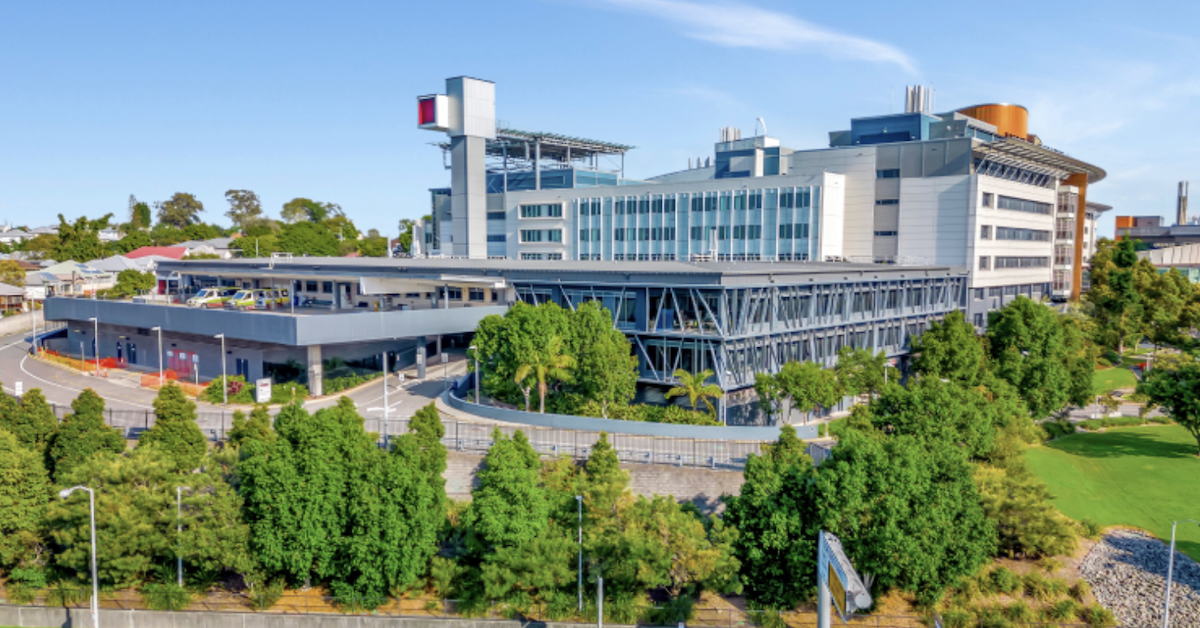
A serious alleged assault inside Princess Alexandra Hospital has renewed attention on safety at the Woolloongabba hospital, which operates 24 hours a day.
Police allege a 43-year-old man punched a 73-year-old woman several times in the face inside the hospital’s emergency department shortly before 11:30 p.m. on 23 August. Medical staff intervened and police arrested the man soon afterwards. The woman suffered serious facial injuries and has since been discharged from hospital.

Reports stated that the man was charged with one count of grievous bodily harm and remanded in custody. Police described the alleged incident as unprovoked. The charge has not been determined by a court as of press time.
A separate incident at PA Hospital on 31 August also prompted concerns about staff safety. Hospital executive director Gillian Campbell said a complex patient became verbally and physically aggressive in the intensive care unit, while police said officers have responsibilities for maintaining appropriate supervision and restraint when people in custody receive hospital treatment.
The 22-year-old patient was later charged after allegedly punching a police officer and attempting to take the officer’s firearm, according to published reports. Staff representatives subsequently raised concerns about the number of prisoners being treated outside the hospital’s 12-bed secure unit and the training available to nurses managing those placements.
PA Hospital serves Brisbane’s inner south around the clock
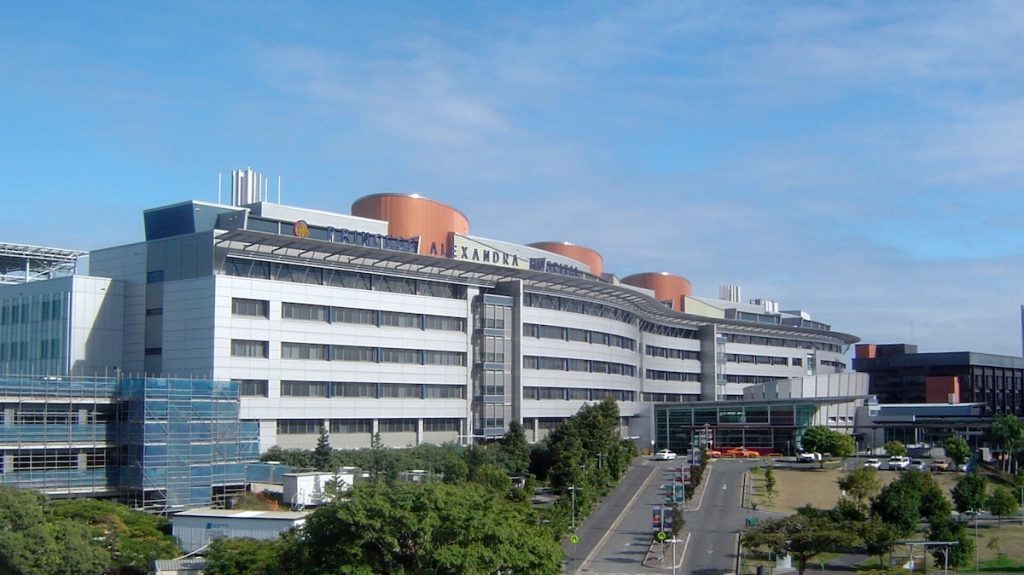
Princess Alexandra Hospital is at 199 Ipswich Road, Woolloongabba, near Annerley and other inner-south suburbs. The tertiary hospital is open 24 hours a day, with emergency department access from Cornwall Street.

Metro South Health, which operates PA Hospital, said support was provided to the woman and staff who witnessed the incident. The health service said security officers were available around the clock and cited more than $37 million in spending on additional security staff, CCTV, body-worn cameras, duress alarms, hospital ambassadors, peer-support programs and de-escalation training.
Emergency departments report widespread violence
Violence and aggression are being reported across Australian emergency departments. A 2025 survey by the Australasian College for Emergency Medicine found nine in 10 respondents reported at least one violent incident involving a patient or accompanying person in their emergency department during the previous week. More than half said physical violence occurred daily or frequently.
The college identified access block and emergency department overcrowding among the leading factors contributing to violent incidents. Access block occurs when patients who require admission cannot be moved from an emergency department to an appropriate inpatient bed
Emergency medicine specialists have also pointed to the strain of lengthy stays in environments where lighting operates around the clock and access to facilities can be limited.
Assault-related injuries rise among health workers
National hospital data also records an increase in serious assault-related injuries among healthcare workers.
The Australian Institute of Health and Welfare recorded 126 assault-related hospitalisations among healthcare workers in 2024–25, compared with 49 in 2015–16. The rate rose from 4.3 to 8.1 hospitalisations per 100,000 healthcare workers over the same period.
Assaults accounted for about 15 per cent of injury hospitalisations among healthcare workers in 2024–25 and had risen from the fourth-leading cause of injury hospitalisation in 2015–16 to the second-leading cause. The figures cover work-related injuries across health services that were serious enough to require hospital admission and are not limited to hospital emergency departments.
Queensland expands hospital security measures
The Queensland Government allocated an additional $8.7 million in the 2025–26 Budget to expand the Healthcare Ambassador workforce and provide more resources for Healthcare Security Officers.
The funding was announced alongside measures including body-worn cameras for security staff, additional CCTV and fixed duress alarms. The ambassador program is designed to identify patients or visitors becoming distressed or agitated and intervene early to help clinical staff de-escalate situations.
Safety remains part of the wider ED pressure
Health organisations have warned that repeated violence and aggression can affect staff morale, burnout and workforce retention. Emergency medicine representatives have also argued that violent incidents can disrupt patient care and add to delays in already pressured departments.
PA Hospital remains open around the clock. Metro South Health advises people facing an emergency to call Triple Zero, while 13 HEALTH provides advice for non-urgent health concerns.
Published 10-Sept-2026