



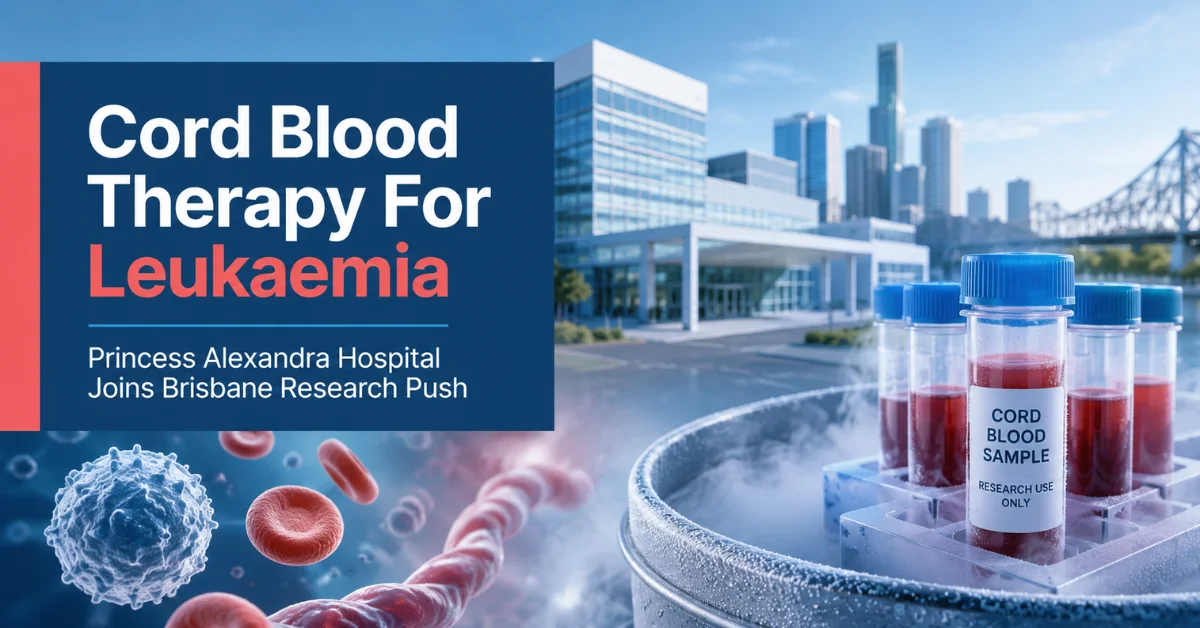
When 72-year-old Mark Taylor was told he might not live to see Christmas, treatment options were running out. Nine months later, his experience is giving a human face to a Brisbane project involving a Princess Alexandra Hospital haematologist that aims to make advanced leukaemia treatment available without weeks of waiting.
Taylor, a grandfather from Hatton Vale, was diagnosed with acute myeloid leukaemia, or AML, last year. In November, he was told he was unlikely to survive until Christmas.

He and his wife Karen responded by organising a wake while he was still alive, bringing together about 70 family members and friends.
Nine months later, Taylor was still living with the disease. The new treatment being developed in Brisbane will not arrive in time to benefit him, but he has backed the research for what it could mean for other people facing AML.
Princess Alexandra Hospital Doctor Takes Clinical Lead
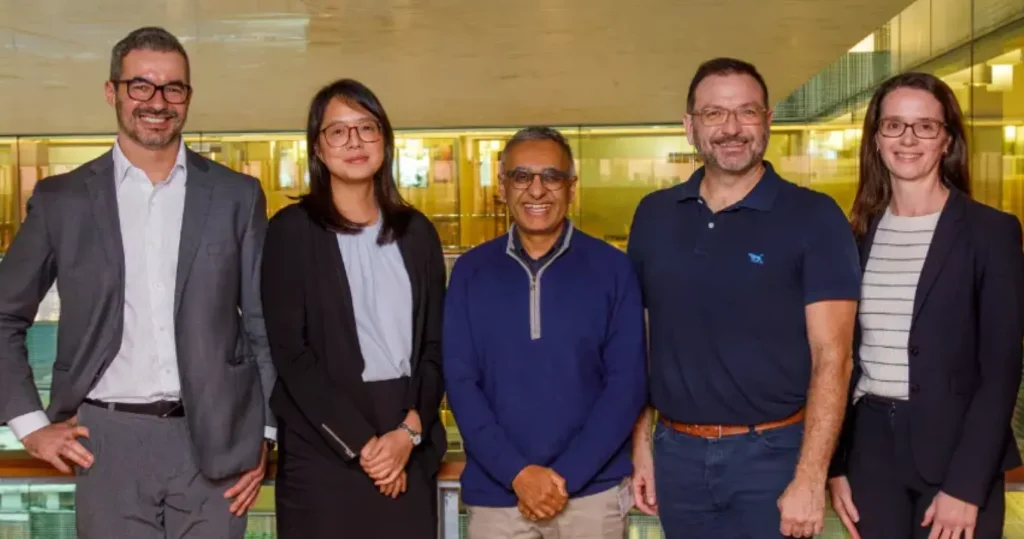
Princess Alexandra Hospital haematologist Dr Victoria Ling is the clinical lead on the project, which has received nearly $4 million from the Medical Research Future Fund.
The research is led by Translational Research Institute chief executive Professor Maher Gandhi and brings together Mater Research, The University of Queensland, Queensland University of Technology and Metro South Health, along with other Australian research and clinical partners.

At the centre of the work is a practical problem faced by some people with aggressive blood cancer: treatment can take time to prepare when time is already limited.
Existing CAR-T therapy for some blood cancers uses a patient’s own immune cells. Those cells have to be collected and individually turned into a treatment, a process that can take several weeks and may involve sending them to the United States or Europe.
For some older people with AML, previous treatment can also leave their immune systems too weak to provide suitable cells.
Cord Blood Could Provide Ready-Made Doses
The Brisbane team is working on a different approach using immune cells from donated umbilical cord blood.
Rather than making a separate treatment from each patient’s own cells, researchers plan to genetically engineer cord blood cells in advance, freeze the doses and have them available when required.
In simpler terms, the aim is to have treatment prepared before a patient needs it rather than starting the manufacturing process only after their cancer has returned.
Queensland Cord Blood Bank at Mater Mothers’ Hospital Brisbane will provide the donated cord blood. The program depends on expectant mothers and their partners choosing to donate their baby’s umbilical cord blood after birth.
Associate Professor Fernando Guimaraes from UQ’s Frazer Institute is coordinating the manufacturing process at the Translational Research Institute. The immune cells are being engineered so they can recognise and attack leukaemia cells.
Before the treatment can be given to patients, QUT Professor Laura Bray is leading testing using laboratory-grown models of human bone marrow to examine how the engineered cells respond to leukaemia and healthy tissue.
The project also uses CCR-T technology developed with German biotechnology company Miltenyi Biotec, including a system designed to target the cancer in two ways.
Next Step Is A 15-Patient Trial
The next stage will be a Phase I national clinical trial involving 15 people with relapsed or refractory AML.
Those patients will have already exhausted other treatment options and have disease that is resistant to standard therapies.
For Taylor, the trial will come too late to change his own treatment path. His experience instead sits alongside a project trying to shorten the gap between a patient needing another option and having a cell therapy ready to use.
Published 18-August-2026