



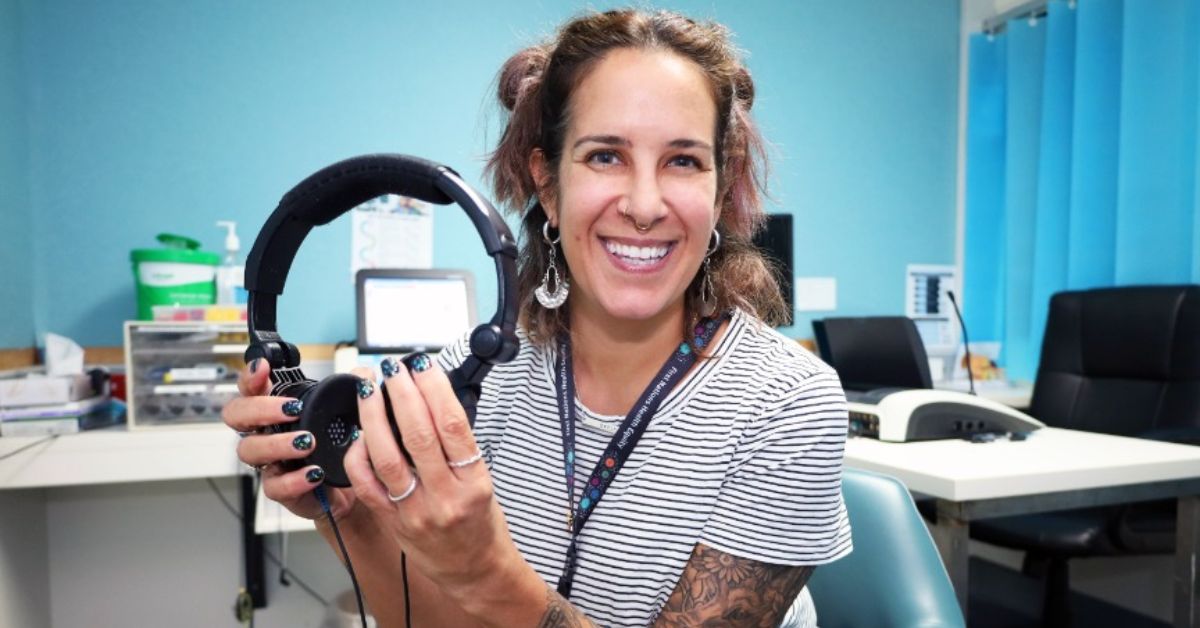
Ann Cross experienced hearing problems as a child, and this lived experience drew her to a career in audiology. Growing up as a proud Yidinji woman, she experienced these difficulties firsthand and now uses her background to help others.
Now an audiologist at the Princess Alexandra Hospital in Woolloongabba, Ann is part of the team delivering hearing services to one of Brisbane’s most diverse patient communities, with a particular focus on improving outcomes for Aboriginal and Torres Strait Islander peoples.

A lifelong impact that often starts in childhood
Otitis media — middle ear infection and its complications — affects up to 90 per cent of Aboriginal and Torres Strait Islander children in remote communities at some point during childhood, occurring earlier, more frequently and with greater severity than in the broader population.
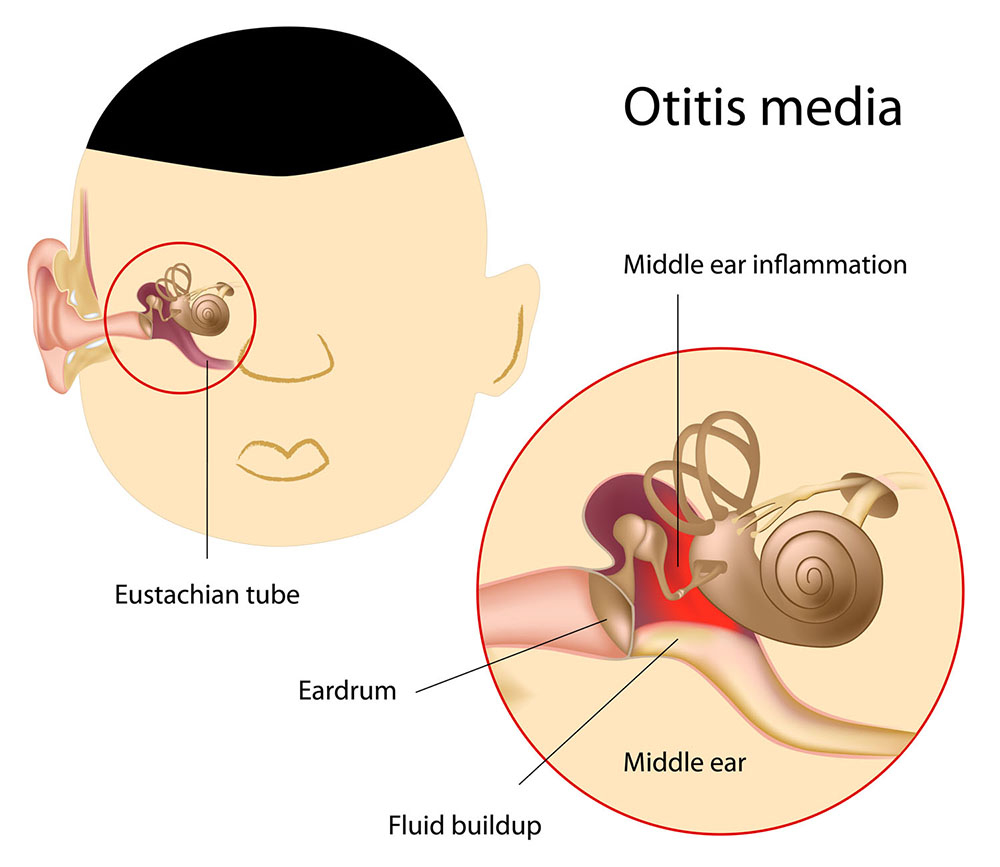
Untreated hearing loss in early childhood is one of the most underrecognised drivers of educational disadvantage, communication difficulties and lifelong wellbeing impacts.
“Hearing problems are really common in the Indigenous population and are a major contributor to learning impacts for any child who starts out with an undiagnosed hearing problem,” Ann said.
She explained that early childhood from birth to eight years is a foundational development period that impacts all future milestones. Consequently, she emphasizes that children require regular hearing checks to ensure their development stays on track.

A career built in community
Before joining PA Hospital, Ann spent 12 years with Hearing Australia — the nation’s largest provider of hearing services including services for children, young adults and eligible Aboriginal and Torres Strait Islander people.
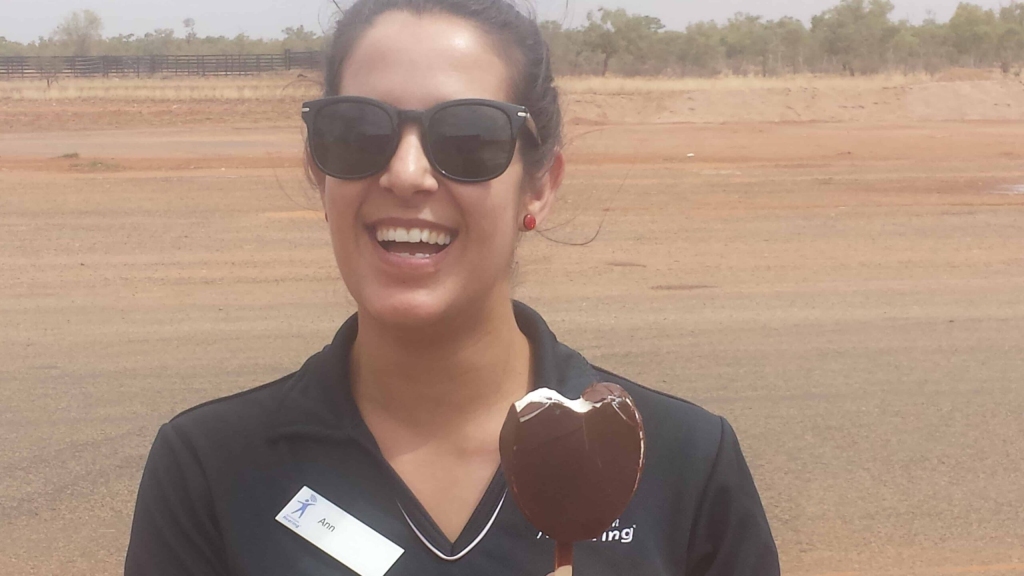
The role took her on outreach trips to remote Queensland communities, where the gap between hearing need and hearing access was most visible.
“These conditions can have lifelong impacts on health, education, communication, and wellbeing, yet hearing is often undervalued until it is impaired,” she said. Seeing that gap at close range, in community after community, sharpened her sense of where her work could matter most.
Making hearing care easier to access
The PA Hospital audiology team runs a hearing aid bank — a program that improves hearing rehabilitation access for patients who would otherwise struggle to afford or access devices.
That kind of practical, low-barrier intervention sits exactly where Ann believes the most meaningful work happens.
“What I love about audiology is the opportunity to make a real difference in people’s lives through accessible and culturally appropriate hearing care,” she said. Working with a diverse, multicultural patient group at one of Queensland’s largest tertiary hospitals means the work is never narrow.
Partnerships that bring care closer
Ann’s approach to hearing equity is not limited to what happens in the clinic room.
A partnership between PA Hospital and the Inala Indigenous Health Service is streamlining access to culturally safe audiology services. This collaboration directly reduces the geographic, cultural, and administrative distance between Aboriginal and Torres Strait Islander patients and the hearing care they need.
“Health equity means recognising that not everyone has the same access to care, and we can reduce barriers in a way that is culturally safe, trusted, and responsive to their needs by working alongside communities,” Ann said. It is the kind of work that cannot be done by one clinician alone — it requires trust, time and genuine partnership. Ann is building all three.
Published 9-July-2026