



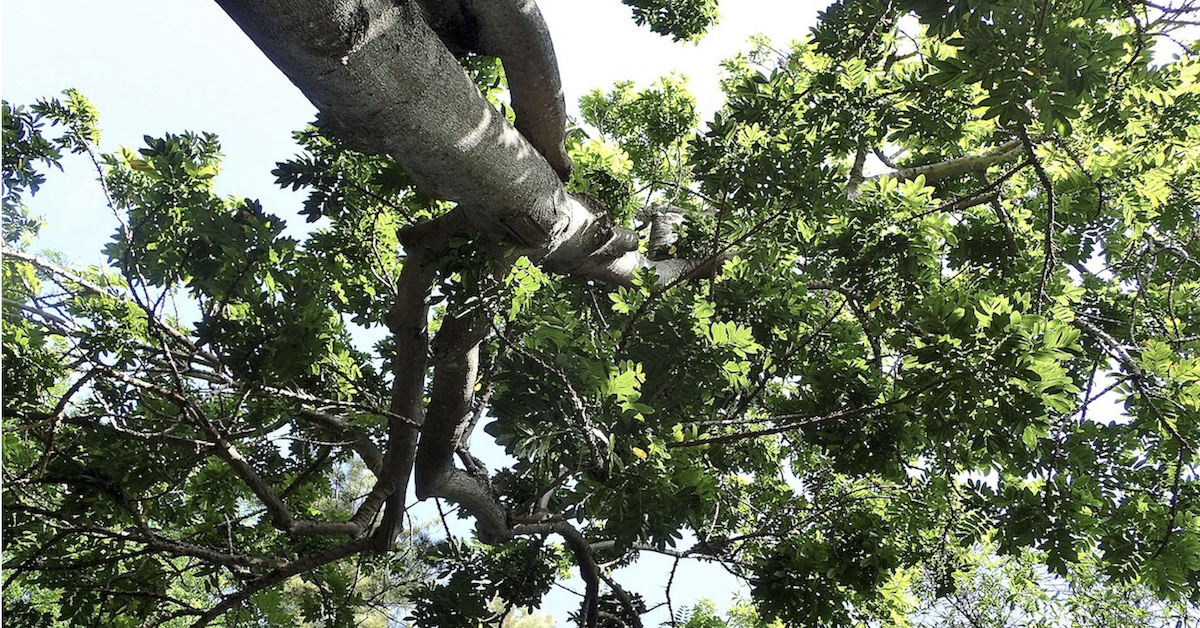
Tree disputes are a regular source of tension for Queensland neighbours, with complaints ranging from overhanging branches and falling debris to blocked sunlight, property damage and lost views. One recent Annerley case shows how a disagreement over a mature tree can move from neighbour talks to the Queensland Civil and Administrative Tribunal.
When an Annerley couple bought a townhouse on Villa Street in 2019, they could see Brisbane’s CBD skyline from the upper level. On New Year’s Eve and during Riverfire, the balcony gave them a direct line towards the city lights and fireworks.

Within a few years, that view had narrowed behind the branches of a large Moreton Bay chestnut tree growing on a neighbouring property.
What began as a discussion between neighbours later ended in QCAT, where tribunal member Chris Carrigan ordered regular pruning of the tree to regain and maintain the view described during the proceeding.
An Annerley Skyline Became the Centre of a Neighbour Dispute
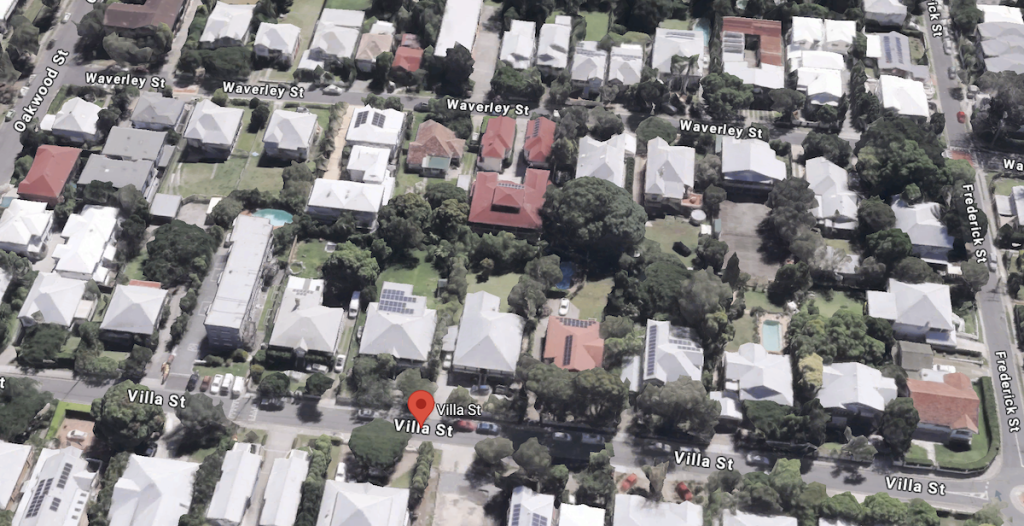
The townhouse sits behind an older cottage on Villa Street, next to neighbouring flats on Waverley Street. At the centre of the case is a black bean tree, also known as a Moreton Bay chestnut, planted near the rear corner of the Waverley Street property.
According to material examined during the tribunal hearing, the townhouse owners first approached their neighbours in late 2021 with an offer to split the cost of pruning the tree. The following year, they offered to pay the full amount themselves.

The matter remained unresolved and was later taken to QCAT under Queensland’s Neighbourhood Disputes (Dividing Fences and Trees) Act 2011.
The tribunal heard that the tree had grown significantly over three years, reducing what was once a broad skyline outlook to a narrow glimpse visible only from part of the balcony.
An arborist report prepared for the case described the Moreton Bay chestnut as a fast-growing native species known for its broad canopy and extensive root system. The report also stated that city views can contribute to property value in elevated inner-Brisbane suburbs.
When Tree Complaints Reach QCAT
In suburbs such as Annerley, Holland Park and Camp Hill, older homes often sit beside newer multi-level housing. In many streets, residents share boundaries with neighbours whose homes overlook trees, fences and established backyards. Mature trees can also provide shade, cooling and habitat in built-up neighbourhoods, creating competing concerns between property use and tree retention.
QCAT provides a formal process when neighbours cannot resolve concerns about trees affecting land, including disputes over branches, roots, safety, damage and interference with the use of property.
Information published by the Queensland Government states that residents can apply to QCAT if a tree is seriously interfering with the use and enjoyment of their land. QCAT also maintains a public tree orders register, where residents can search orders made under Queensland’s neighbourhood dispute laws.
Queensland Law Does Not Guarantee a Protected View
Under Queensland law, property owners do not automatically have a legal right to preserve a scenic view. However, QCAT can intervene if it decides a tree has caused substantial, ongoing and unreasonable interference with a neighbour’s enjoyment of their property.
In the Annerley case, the tribunal found that the tree had substantially affected the townhouse owners’ enjoyment of their property and ordered the owners of the neighbouring flats to arrange pruning by 19 June this year.
The ruling also stated that maintenance pruning should continue at least once every year to preserve the restored view. If the work is not completed by the deadline, the townhouse owners can arrange the pruning themselves and recover the costs from the neighbouring property owners.
While the tribunal sided with the townhouse owners on the question of the blocked view, it stopped short of ordering the tree’s removal. The ruling recognised the environmental value of the mature native tree, including its role in providing shade and habitat for birds. The decision also noted that the tree contributes to local greenery.
Published 13-May-2026