



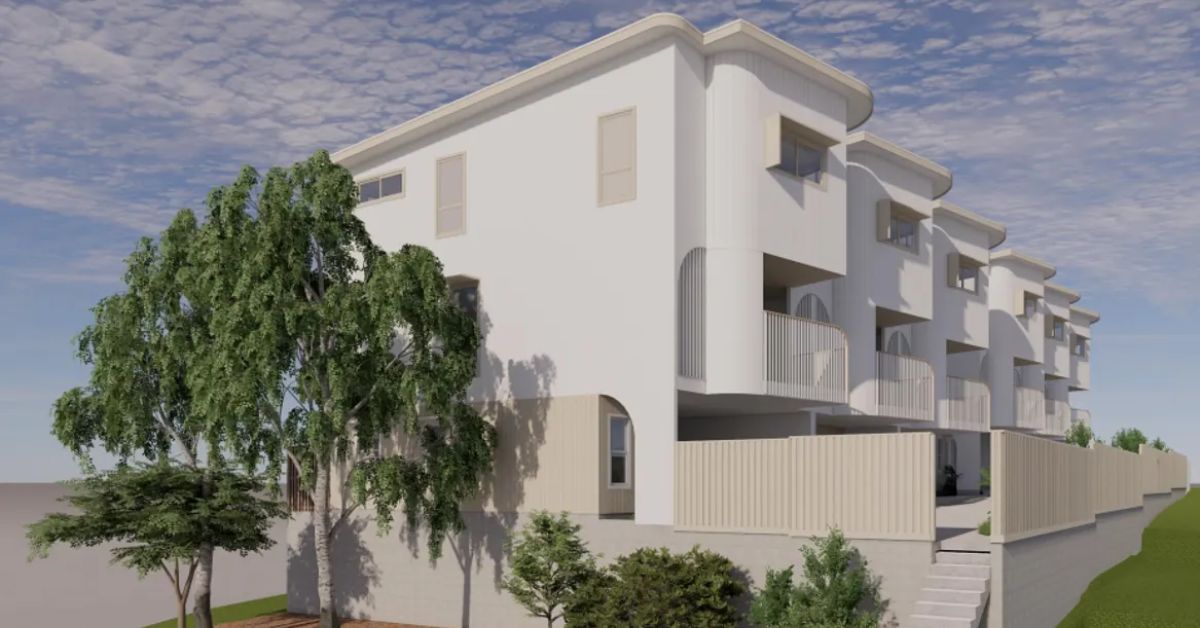
A development application to demolish a house at 15 Villa Street in Annerley and replace it with six three-storey terrace homes has put one of Brisbane’s most historically layered streets at the centre of a familiar inner-south tension between character and density.
The proposal, lodged with Brisbane City Plan authorities last March 2026 under reference A006982385, seeks approval for six three-bedroom townhouses, each with private outdoor space, a garage and a large balcony. The northern end of the terrace strip could offer city skyline views, given the property’s position about five kilometres from the CBD. The estimated construction cost is $5 million, with completion targeted for 2027.

The site is covered by a traditional building character overlay and zoned low-to-medium residential, making the development impact assessable. Demolition of the existing house was separately approved in a prior application, meaning the building itself is not a barrier to the proposal proceeding.
While the block can be cleared under a prior permit, the new design is not a done deal. Because the project is impact assessable, the community has a formal say, meaning every local objection must be weighed before the first brick is laid
A street that carries a lot of memory
Villa Street is not just any Annerley address. The Cilento family home sat on the corner of Villa Street and Ipswich Road, and was the family home from the 1930s to the 1960s. Lady Phyllis Cilento had a medical practice attached to the residence and was a respected gynaecologist, obstetrician and paediatrician.
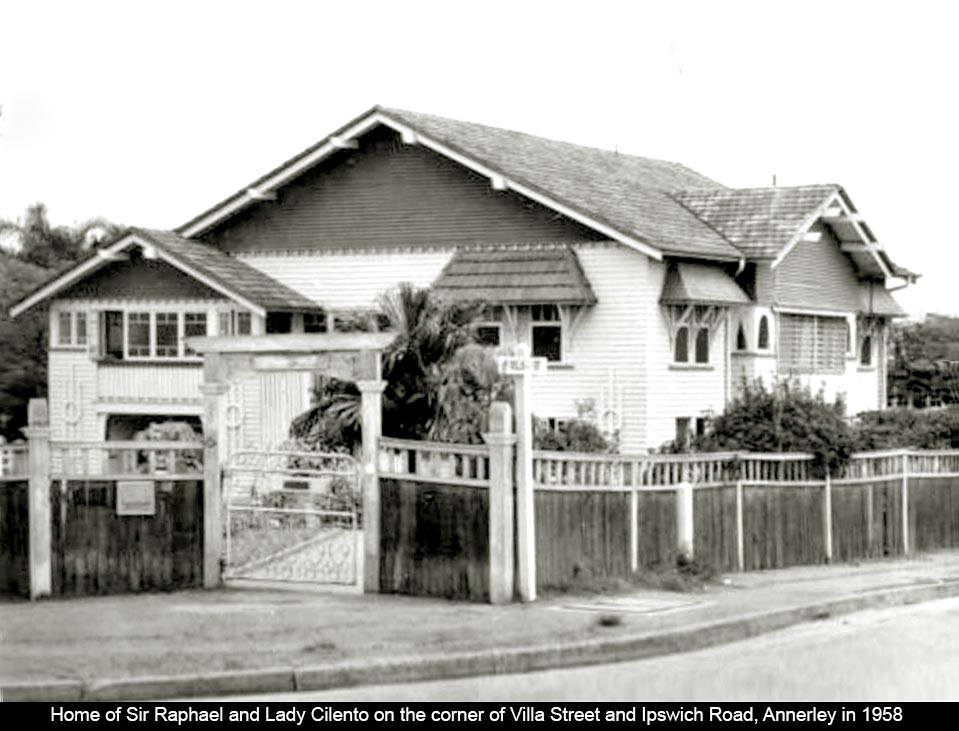
Sir Raphael Cilento was an expert in tropical medicine who became the first Queensland Director-General of Health and Medical Services in September 1934. Their daughter, actor Diane Cilento, later married Sean Connery.

The street’s literary connection runs just as deep. Australian author Jessica Anderson, whose novel Tirra Lirra by the River won the Miles Franklin Award in 1978, grew up at 56 Villa Street in the 1920s and early 1930s, drawing on her Annerley childhood throughout her writing life.
In 1951, Kath Walker, later known as Oodgeroo Noonuccal and the first Aboriginal Australian to publish a book of poetry, became the housekeeper for the Cilento family at the corner of Villa Street and Ipswich Road.
It is a street that knows it matters. In 2025, the Annerley-Stephens History Group published Villa Street Revealed, a dedicated history of the strip. The group, which has been researching and publishing local history since 2013, meets monthly at the History Room in nearby Yeronga.
The design argument the developer is making
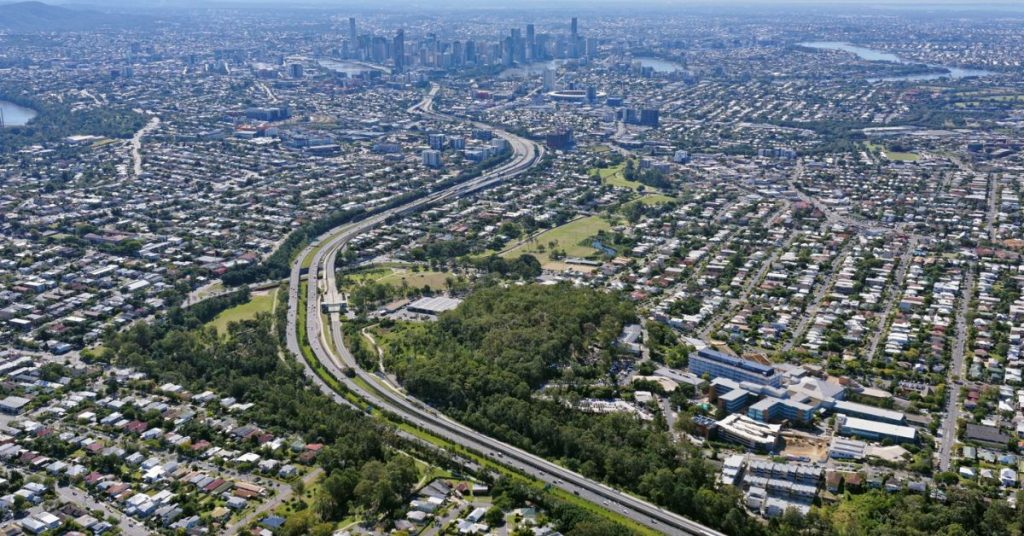
The developer describes Annerley as a growing area close to the CBD, the University of Queensland and the Princess Alexandra Hospital, framing the six terrace homes as providing much-needed family housing in an accessible inner-city location.
On the question of character compatibility, the application points to specific design elements, particularly the skillion roof, as evidence that the proposal is sympathetic to the traditional character of the area.
The terrace format itself is also relevant: the traditional building character overlay is intended to ensure that new development is appropriate in scale, character and design to the existing neighbourhood, and terrace housing has historical precedent in Brisbane’s inner suburbs.
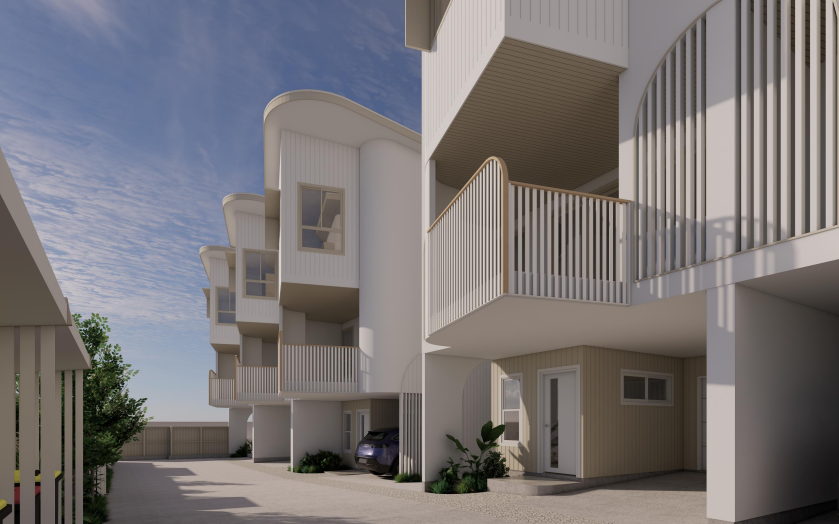
The developer also notes the proposal is consistent with the direction of Brisbane’s residential planning framework. Low-to-medium residential areas, which account for around 14 per cent of the city, are flagged for an increase in allowable height from two storeys to at least three storeys. The developer says the Villa Street proposal lays the groundwork for construction ahead of those changes.
Where the community concern sits
The development has drawn concern from local residents focused on what would be lost rather than what would be gained. The worry is straightforward: Villa Street is not a generic inner-city street, and the removal of a character home from a block covered by a traditional building character overlay chips away at something that cannot easily be replaced.
Community voices have pointed to nearby examples where developers have kept the character home on the street frontage while building new units behind it, a layout that preserves the visual continuity of the streetscape while still achieving density.
That approach has been used elsewhere along Villa Street itself, and plans lodged earlier this year for 391 Ipswich Road, about a kilometre away, propose a similar configuration.
“The loss of character homes would be a hard blow to the community,” one resident said in response to the proposal. “It would be better if the character home on this block could be kept with townhouses to the rear, as has happened in other parts of the street.”
The application remains under assessment. Members of the public can view the full application documentation under reference A006982385.
Published 30-April-2026