



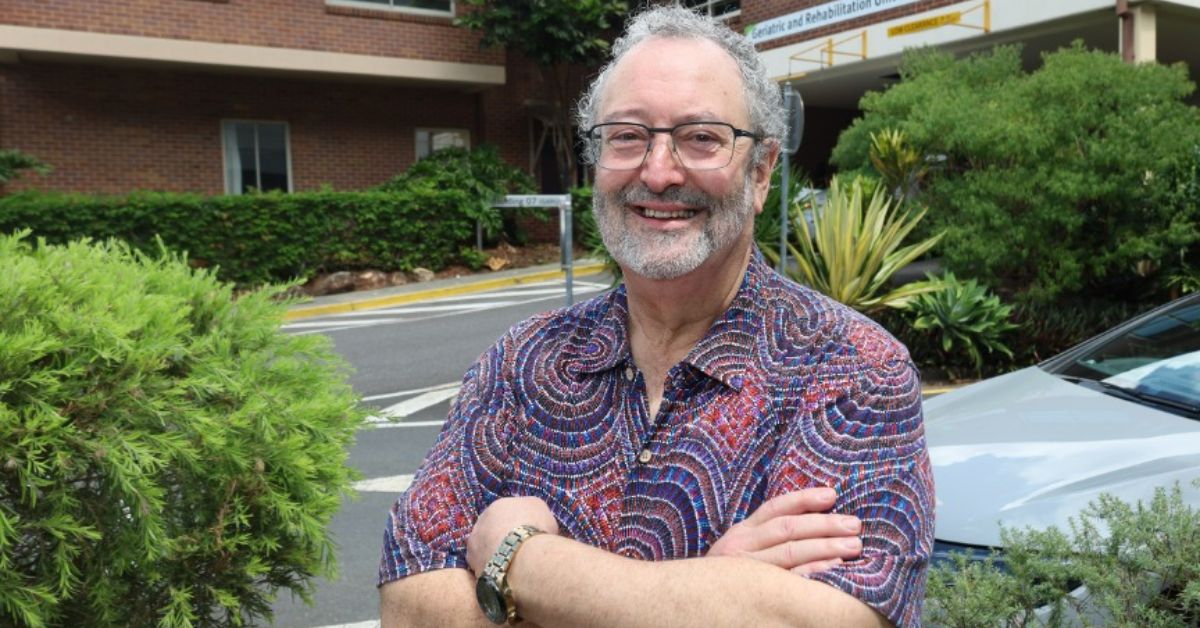
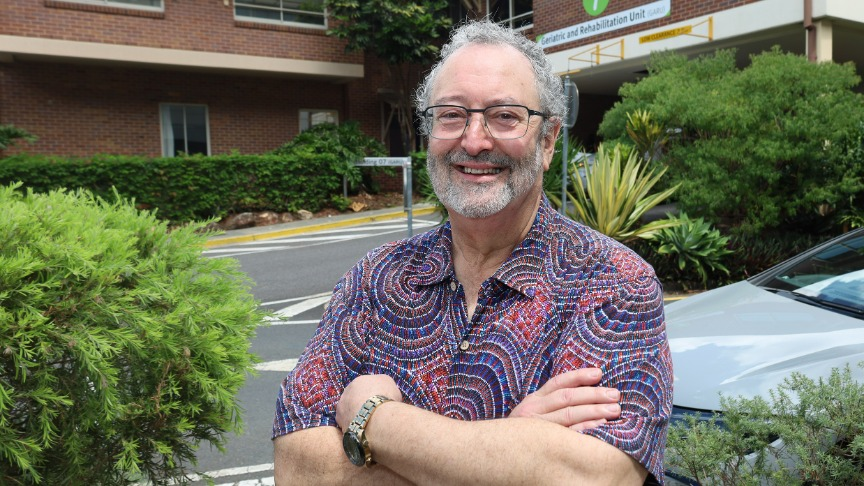
When Dr Phil Aitken walked into the Princess Alexandra Hospital as a medical trainee in the early 1980s, geriatrics was barely a specialty in Queensland. When he retired recently, the PA’s Stroke Unit was the highest-performing in Australia. That arc, from a reluctant geriatrics rotation to founding one of the country’s best stroke services, is the career of a doctor whose influence will outlast him by generations.
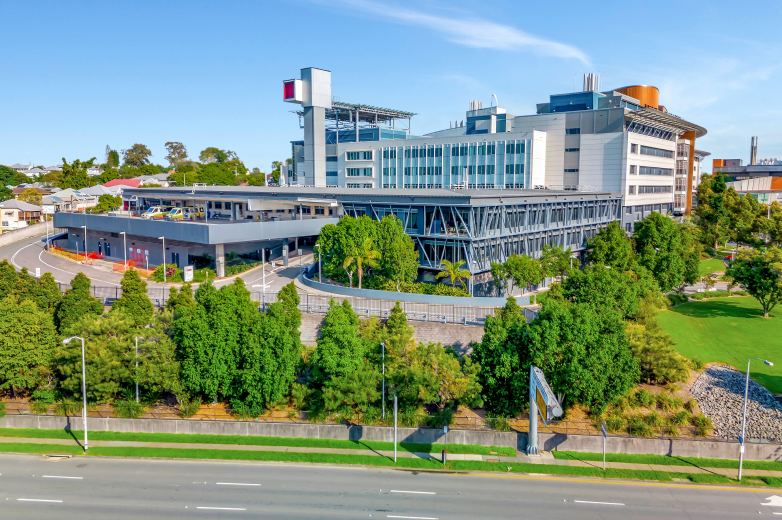
The PAH sits in Woolloongabba, a few kilometres from the centre of Brisbane, and it has been Aitken’s professional home for nearly his entire working life. He graduated from the University of Queensland in 1980 and became a Fellow of the Royal Australasian College of Physicians in 1988, building a career at the PA that shaped not just the hospital’s capabilities but the trajectory of geriatrics as a discipline across Queensland.

A Rotation That Changed Everything
Aitken did not set out to become a geriatrician. He was drawn to gastroenterology, but staying at the PA required him to take a geriatrics rotation. It was a term he took out of necessity and came to love out of conviction.
“I did rotations in General Medicine and Gastroenterology, and I really liked gastro but to remain at PAH I had to do a term of geriatrics,” he said. “This was when I realised what I wanted to do.”
He was the first Queensland medical trainee in geriatrics in 20 years when he undertook that placement, stepping into a specialty that was still finding its feet. The doctors who taught him there left a mark that shaped everything that followed. Under the mentorship of Dr Glenise Berry, Dr Keith Hirschfeld, Dr Glenda Powell, Dr Ian McCracken and Dr Paul Hopkins, Aitken found not just a clinical direction but a model for what good medical teaching looked like. He would spend the rest of his career trying to replicate it.
“I found PAH was a friendly and supportive environment for learning and I have been proud to call this hospital home for most of my career,” he said.

Building the Stroke Unit From Scratch
After his formative years at the PA, Aitken went to England as a registrar in neurology and geriatrics, where he contributed to stroke studies that had lasting consequences. One of his studies was later used by renowned Professor Peter Langhorne to validate and establish stroke units as a model of care, laying the research foundation for what Aitken would eventually build back home.
When he returned to PAH, that research informed a mission. In October 1997, Aitken established the Stroke Unit at PAH alongside colleagues Graham Hall, Jon Chalk and Chris Staples, creating what would become the template for integrated stroke care in Queensland.
“One of the proudest moments of my career was my involvement to start the Stroke Unit which opened in October 1997,” he said. “We set up as a triumvirate of geriatrics, general medicine and neurology, taking turns being on-call but we all looked after these patients. We worked hard on the Stroke Society guidelines and KPIs and PAH is now consistently the highest performing Stroke Unit in Queensland and Australia.”
That result did not happen by accident. It came from a deliberate commitment to collaboration across specialties, and from a clinician who understood that the quality of a unit is inseparable from the culture built inside it.
Making Geriatrics Stick for the Next Generation
Aitken has always been quick to point to the team around him. He is the first to acknowledge the neurologists, general medicine physicians, nurses and allied health professionals whose work made the stroke unit what it became. But his influence on the generation of doctors who trained under him is harder to deflect.
He taught at the old Schonell Theatre at the University of Queensland and brought to those lectures the same quality that defined his clinical work: warmth, humour and a genuine belief that caring for older people is one of medicine’s most meaningful callings.
“At the end of one of my lectures at the old Schonell Theatre, a bloke congratulated me on keeping the student’s attention,” he said. “If that’s the measure then I can probably say I succeeded in making geriatrics sexy to the next generation of medicos using anecdotes and humour.”
“Ultimately, the collaborative and collegial atmosphere we have created for learning and treating patients is key to anyone gravitating to geriatrics and I hope my mentorship and commitment to these patients has influenced others.”
A Career Woven Into the Fabric of Woolloongabba
For the Annerley and Woolloongabba community, the PA Hospital is not just an institution on Ipswich Road. It is a place where tens of thousands of local families have had their lives changed, or saved. The people who build that place from the inside, who stay for decades, who start new units and teach new doctors and push the quality of care upward year after year, are the reason a public hospital becomes something more than a building.
Dr Phil Aitken is one of those people. His retirement leaves a gap, but it also leaves a stroke unit that is the best in the country, a specialty that is healthier in Queensland for his presence in it, and a long line of doctors who chose geriatrics partly because someone once made it feel like the best job in medicine.
Published 30-March-2026.