



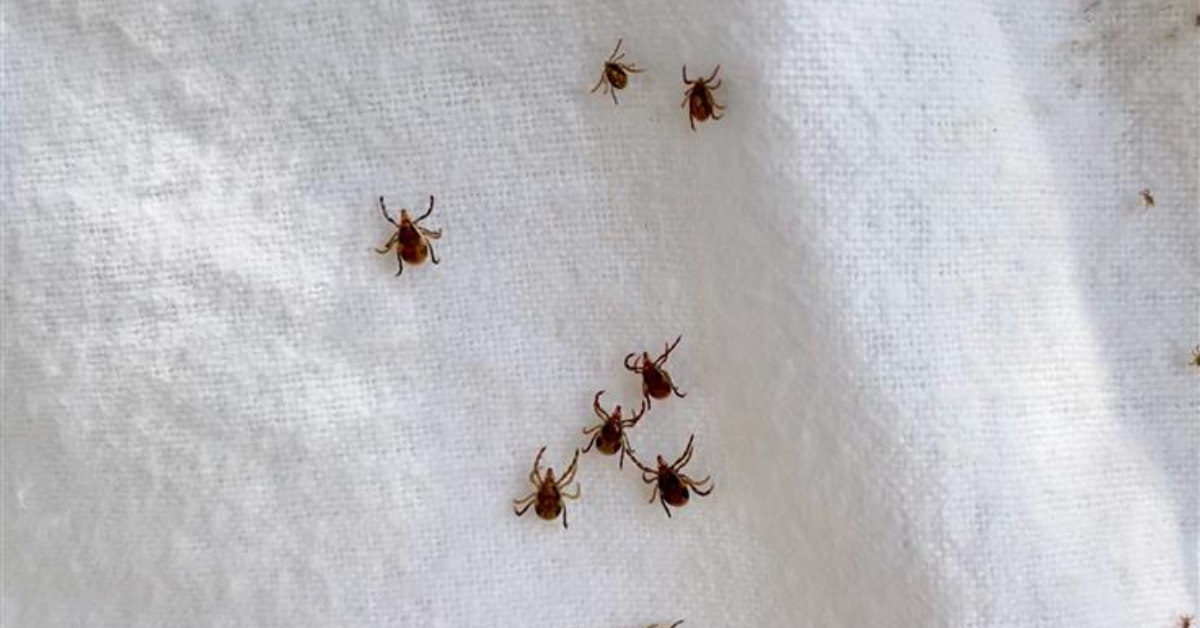
Scientists at the Dutton Park Ecosciences Precinct have discovered that a single bite from a common coastal tick is triggering a life-altering red meat allergy that may also be a hidden driver of heart disease across Australia.
A Growing Threat Along the Coast
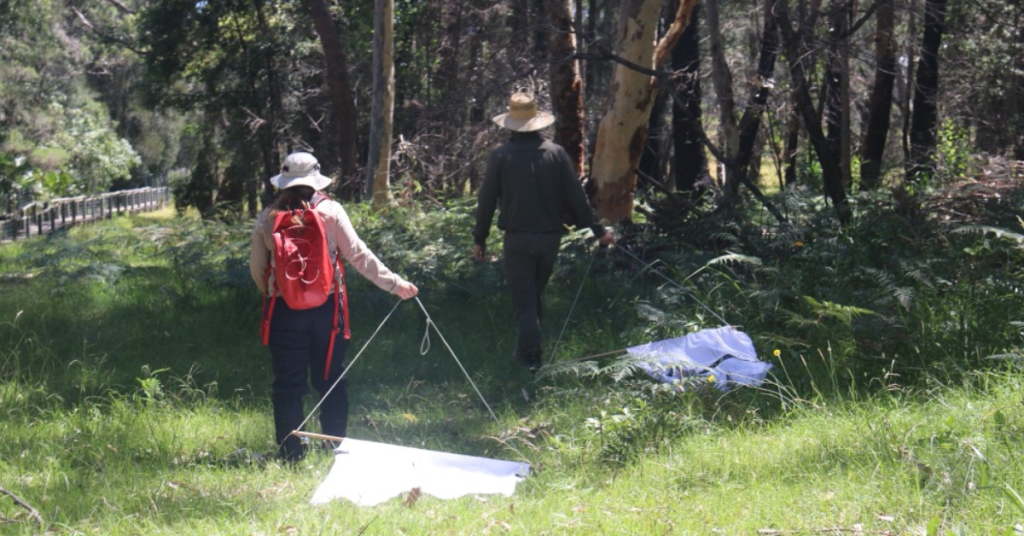
In early 2025, Queensland resident Matt Jacobs found that eating beef or lamb made him feel incredibly ill. After his sister researched his symptoms online, a doctor confirmed he had mammalian meat allergy, also known as alpha-gal syndrome. This condition occurs when the immune system is reprogrammed by the saliva of an Eastern paralysis tick. These ticks are mostly found along the east coast, stretching from North Queensland down to Victoria.

Since 2020, the number of people testing positive for the allergy has climbed by about 40 per cent each year. While much of this increase comes from better testing and awareness, researchers believe more people are getting sick due to wet summers that help tick populations grow.
Beyond the Dinner Plate
The allergy is more than just a change in diet. For people like Mr Jacobs, it means avoiding soaps, lotions, and even certain medicines that use animal products. The reaction is often delayed by three to six hours, which makes it hard for people to realise that their dinner is causing their hives or breathing problems. Tragically, the risks are real.
In 2022, a New South Wales teenager named Jeremy Webb became the first Australian confirmed to have died from an allergic reaction caused by the syndrome. Beyond immediate allergy risks, Dr Alexander Gofton and his team at the Dutton Park office are investigating a link to heart health. They found that people having heart attacks were 12 times more likely to have the specific antibodies for this allergy, even if they did not know they were allergic to meat.
Prevention and Community Awareness
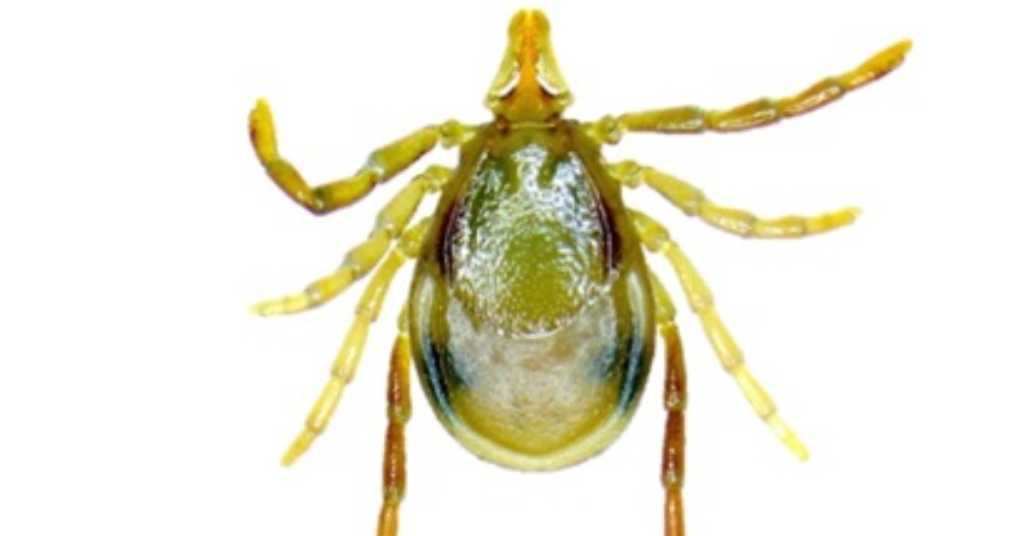
There is currently no cure or vaccine for the condition, so health experts are pushing for better education. Professor Sheryl van Nunen has compared the need for tick safety to the famous SunSmart campaigns used for skin cancer. She noted that the allergy can sometimes fade over three or four years if a person manages to avoid getting bitten again.

To stay safe, residents are encouraged to wear long sleeves and light-coloured clothing when gardening or walking in the bush. Using insect repellent with DEET is also highly recommended.
Proper Tick Removal
If a tick is found on the skin, experts warn that it should never be pulled out with regular tweezers. Squeezing the tick can force more of the allergen into the body. Instead, the advice is to freeze the tick where it is using a special spray before carefully removing it with fine-tipped forceps. If a person feels sick or itchy after eating meat, they should speak to a doctor about being tested. The CSIRO is currently working with the Australian Red Cross Lifeblood to study thousands of blood samples to see how many Australians might be at risk without knowing it.
Published Date 04-March-2026